Artemis II Crew Lost Contact Temporarily with NASA
The Artemis II crew experienced a brief but concerning loss of communication with NASA's Mission Control as they journeyed around the Moon. While the spacecraft's systems continued to function and data flowed, Mission Control could not hear the astronauts for a period. The issue was resolved, allowing the mission to continue.

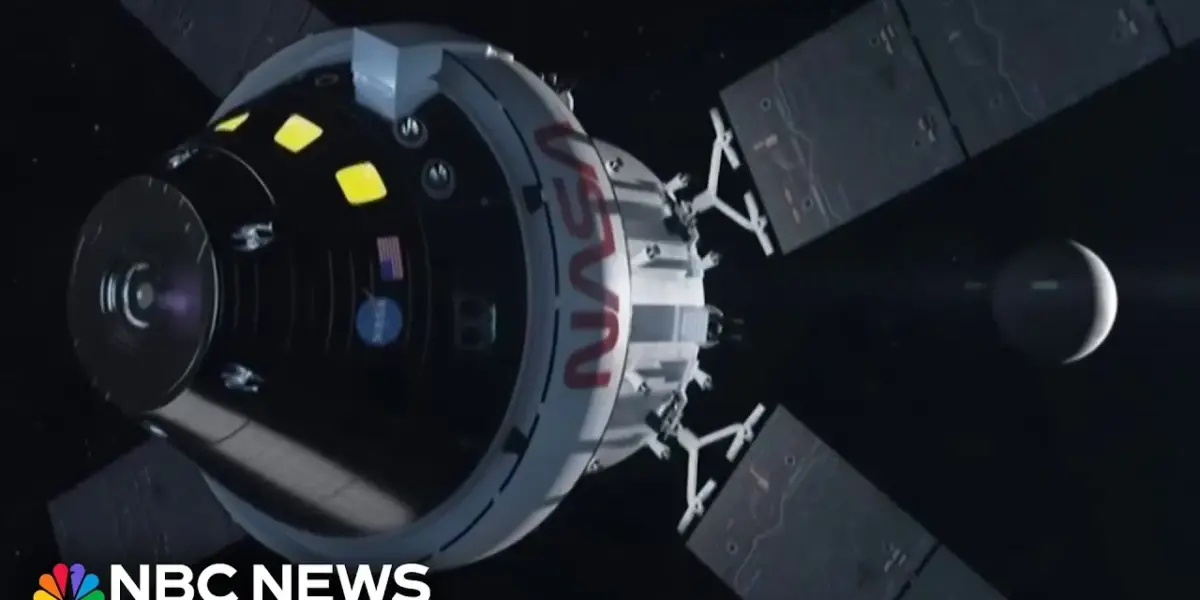
Artemis II Crew Briefly Loses Contact With NASA
During its journey around the Moon, the Artemis II crew experienced a temporary loss of communication with NASA’s Mission Control in Houston. This communication blackout occurred as the Orion spacecraft was performing critical maneuvers. While the exact cause remains under investigation, the situation was resolved, and contact was re-established. The crew reported hearing all communications from Earth, even when Mission Control could not hear them. This incident highlights the complex challenges of maintaining constant contact with spacecraft during deep space missions.
What Happened During the Communication Blackout?
On Tuesday, the Artemis II mission, currently orbiting the Moon, encountered a significant communication issue. Mission Control in Houston confirmed that they could not hear the crew aboard the Orion spacecraft. This happened as the spacecraft was preparing for an important maneuver called the apogee raise burn. This burn is designed to increase the spacecraft’s orbit and gather momentum for its journey to the Moon. Despite the communication loss from Houston’s perspective, the crew confirmed they could hear all calls coming from Mission Control. This suggests the problem was one-sided, affecting the transmission from Orion back to Earth, not the reception from Earth to Orion.
Solar Array Reconfiguration and Data Flow
During the communication issue, engineers at Mission Control worked to resolve the problem. They noted that the Orion spacecraft’s solar array wings had been reconfigured to a “solar normal” setting. This action aims to maximize power generation, which is crucial for the spacecraft’s systems. Data was still being received by Mission Control, showing these important system updates. This confirmed that while audio communication was disrupted, other vital telemetry and data streams remained active. The crew also confirmed they heard all communications from their capsule communicator, Stan Love.
Crew’s Experience and Mission Control’s Response
The crew members, including mission specialist Kristen, were able to hear all the calls from Mission Control. This was confirmed by Reid Wiseman, who was aboard the Orion spacecraft. He reported that they heard everything Stan Love, the capsule communicator, was saying. However, Mission Control could not hear the crew’s responses. This created a communication disconnect, leading Mission Control to state they were “reporting some things in the blind.” To manage the situation while troubleshooting, the mission decided to remain on S-band string two, a specific communication channel. They also inhibited Kwid 19 for right CCD, a technical adjustment to optimize the communication system.
Broader Implications for Space Exploration
This temporary communication loss with the Artemis II crew serves as a reminder of the inherent risks and complexities involved in space missions. Maintaining reliable communication over vast distances is a constant challenge. Engineers must develop and implement robust systems that can withstand unexpected issues. The fact that the crew could hear Mission Control, but not be heard in return, points to a potential issue with the spacecraft’s transmission system. Such events are critical learning opportunities for NASA. They help refine procedures and technology for future missions, including longer voyages to the Moon and eventually Mars. The successful re-establishment of communication is a testament to the skill and preparedness of the NASA team.
What’s Next for Artemis II?
Following the resolution of the communication issue, the Artemis II mission continues its planned trajectory. The crew is expected to proceed with their lunar flyby, gathering valuable data and testing the Orion spacecraft’s systems under real space conditions. NASA will undoubtedly conduct a thorough investigation into the cause of the communication blackout. Understanding exactly what happened and why will be crucial for ensuring the safety and success of future Artemis missions. The public will be keen to follow the rest of the mission, especially the upcoming lunar orbit insertion and the crew’s return to Earth.
Source: NASA says communication temporarily lost with Artemis II crew (YouTube)

Related Articles


Young Space Enthusiast Inspires Nation’s Space Ambitions
A young boy's viral enthusiasm for the Artemis space launch has reignited public interest in space exploration. His clear explanations and astronaut praise highlight a generation inspired by the cosmos. This renewed passion could shape future space policy and international cooperation.

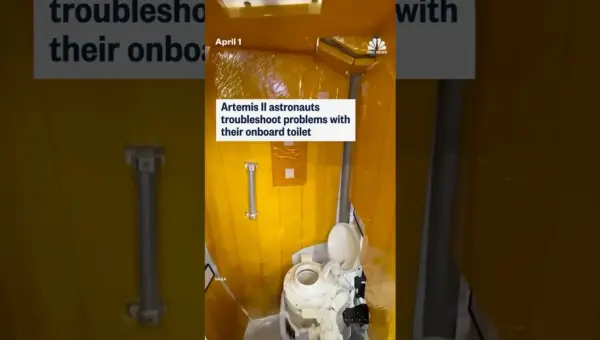
Artemis II Toilet Trouble: Astronauts Fix Spacecraft “Plumbing”
Astronauts aboard the International Space Station are troubleshooting a problem with the onboard waste management system. Mission control is guiding Christina Koch through specific steps to repair the space toilet. This fix is crucial for upcoming Artemis II lunar missions.


Trump Fires Attorney General, Artemis II Reaches Lunar Orbit
Attorney General Pam Bondi has been dismissed amid pressure over the Epstein investigation, with Todd Blanche stepping in as acting AG. Meanwhile, the Artemis II astronauts have successfully entered lunar orbit, a historic first since 1972. Severe storms are expected to disrupt Easter weekend travel across the U.S.