Artemis II Crew Faces Space Weather Threats to Moon Mission
NASA's Artemis II mission is underway, with astronauts embarking on the first lunar trip in over 50 years. The crew faces potential space weather threats, including solar flares and radiation, but NASA has implemented advanced shielding and monitoring systems for their protection. This mission marks a significant leap in safety and knowledge compared to the Apollo era, paving the way for future endeavors like Mars exploration.

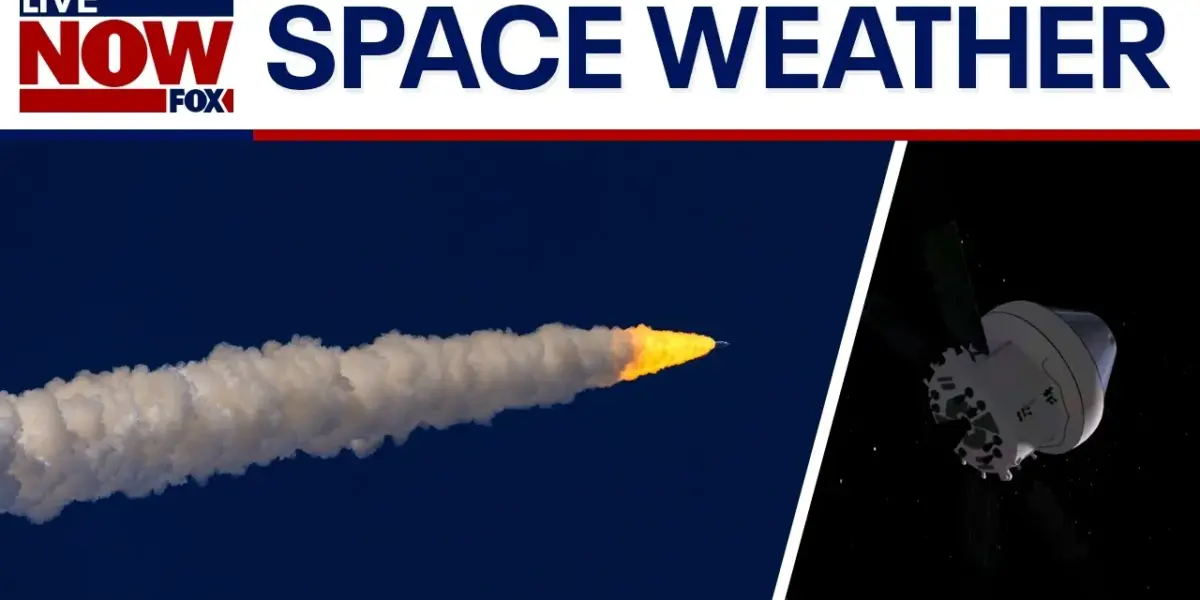
Artemis II Blasts Off, Astronauts Face Space Weather Dangers
NASA’s Artemis II mission has begun its historic journey, sending four astronauts on the first crewed trip to the moon in over 50 years. The Orion capsule launched successfully, leaving Earth’s orbit and preparing for its “trans lunar injection” burn. This first leg of the mission involves reaching a higher Earth orbit and testing the spacecraft’s systems before heading towards the moon. Dr. Joe Weslake, Director of NASA’s Heliophysics Division, explained the critical steps and potential challenges ahead.
Sun’s Fury: Top Space Weather Risks for Astronauts
As the Artemis II crew ventures beyond Earth’s protective magnetic field, they face threats from “space weather.” This includes solar flares, coronal mass ejections (CMEs), and solar energetic particle events originating from the sun. These phenomena can release bursts of radiation that are dangerous to humans. NASA’s heliophysics team, working with partners at the NOAA Space Weather Prediction Center, constantly monitors the sun. Their goal is to provide advance warnings, giving astronauts time to react to any solar activity.
NASA’s Shielding and Strategy for Astronaut Safety
Protecting the Artemis II astronauts involves a multi-layered approach. The Orion capsule itself is equipped with shielding to protect against the harsh space radiation environment. Dr. Weslake noted that the expected radiation dose for the mission is similar to about one month spent on the International Space Station. However, for more intense solar events, astronauts have contingency plans.
These plans include the ability to move to more shielded parts of the spacecraft. They can also shelter in place if necessary. “The best thing that we bring along is science and knowledge,” Dr. Weslake stated. This knowledge allows the team to predict and forecast space weather, giving the crew time to implement protective measures. While the sun has shown some activity due to being in solar maximum, no extreme events are currently expected.
Artemis II: A Giant Leap in Space Safety Since Apollo
Artemis II represents a significant advancement in spaceflight safety compared to the Apollo era. Over the past 50 years, NASA has gathered immense knowledge from missions like the Hubble and James Webb Space Telescopes, the Parker Solar Probe, and various space weather monitoring spacecraft. This accumulated data and understanding form the foundation for designing safer deep-space missions.
“All of that knowledge, all of that data, all of that understanding is really our tools. It’s our survival guide,” Dr. Weslake explained. This expertise has been applied to the design of the Artemis program, including the Space Launch System rocket and the Orion capsule, making them far more capable and secure for deep space exploration.
Space Weather: The Next Frontier for Mars Missions
The challenges posed by space weather are also critical for future human missions to Mars. Traveling to Mars means venturing much farther from Earth, requiring a deeper understanding of the sun’s behavior. Astronauts will need to be able to observe the side of the sun facing Mars, which is currently hidden from our view.
NASA is actively working on this by launching missions like the Escapade twin spacecraft to study Mars’s atmosphere and its interaction with the solar wind. Understanding the space environment near the moon is also a key stepping stone. These efforts are crucial for preparing for the complexities of a Mars journey.
Public Engagement: Experiencing the Moon Through Astronauts’ Eyes
As Artemis II progresses, NASA encourages the public to follow the astronauts’ experiences. The mission aims to capture the public’s imagination by sharing the astronauts’ unique perspectives. This includes seeing the far side of the moon, witnessing a solar eclipse from space, and observing an Earthrise.
The astronauts are documenting their journey using modern technology, similar to how people share experiences today. NASA believes that hearing these stories directly from the crew will connect people to this historic mission. “America is going to want to hear about that and be able to follow along with them as they go along,” Dr. Weslake said.
What’s Next for Artemis II and Beyond
The Artemis II mission is a critical step in NASA’s long-term goals for lunar exploration and eventual human missions to Mars. The crew’s safe return will provide invaluable data and experience. Future missions will build on this success, pushing the boundaries of human spaceflight further into the solar system. Continued monitoring of space weather and advancements in shielding technology will be essential for ensuring the safety of astronauts on these ambitious journeys.
Source: Artemis II: Will space weather impact moon mission? (YouTube)

Related Articles

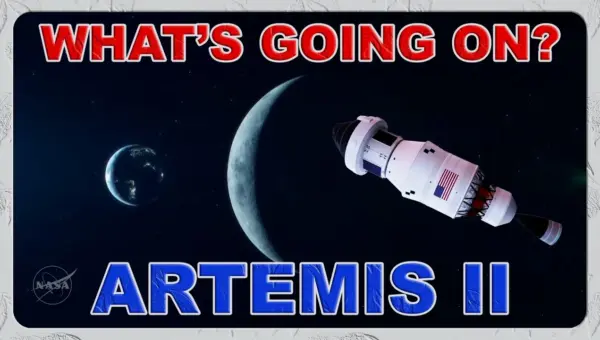
Artemis II Mission: Humans Loop Moon After 50 Years
The Artemis II mission has launched four astronauts on a historic 10-day journey around the Moon, the first crewed lunar mission in over 50 years. This flight tests NASA's powerful SLS rocket and Orion spacecraft, paving the way for future lunar landings and deeper space exploration.
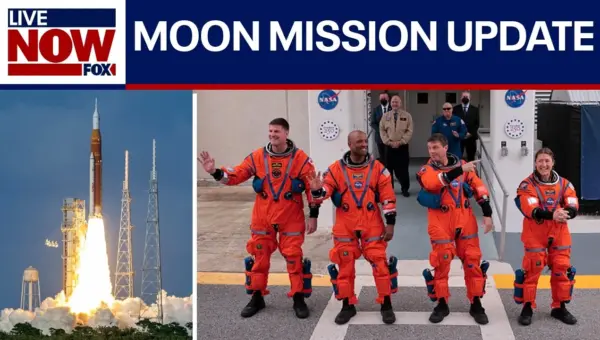
Artemis II Astronauts Fly Past Moon on Historic Deep Space Test
Artemis II has launched, sending four astronauts on a historic 10-day mission around the moon, marking humanity's first crewed journey beyond Earth orbit in over half a century. The mission tests the Orion spacecraft and life support systems, paving the way for future lunar landings.


Artemis IV: Humans to Land on Moon First Time Since 1972
Humans are set to return to the Moon with the Artemis IV mission, marking the first lunar landing since 1972. Goonhilly Earth Station is a key player, supporting crucial test flights and future endeavors. The program emphasizes technological advancement and the growing role of private companies in space exploration.