Artemis II Crew Faces Fiery Re-entry Amid Heat Shield Concerns
The Artemis II crew faces a perilous re-entry into Earth's atmosphere, with a potentially compromised heat shield posing a significant risk. NASA has adjusted the trajectory to mitigate damage concerns, but experts and astronauts weigh in on the inherent dangers and inspirational value of the mission.

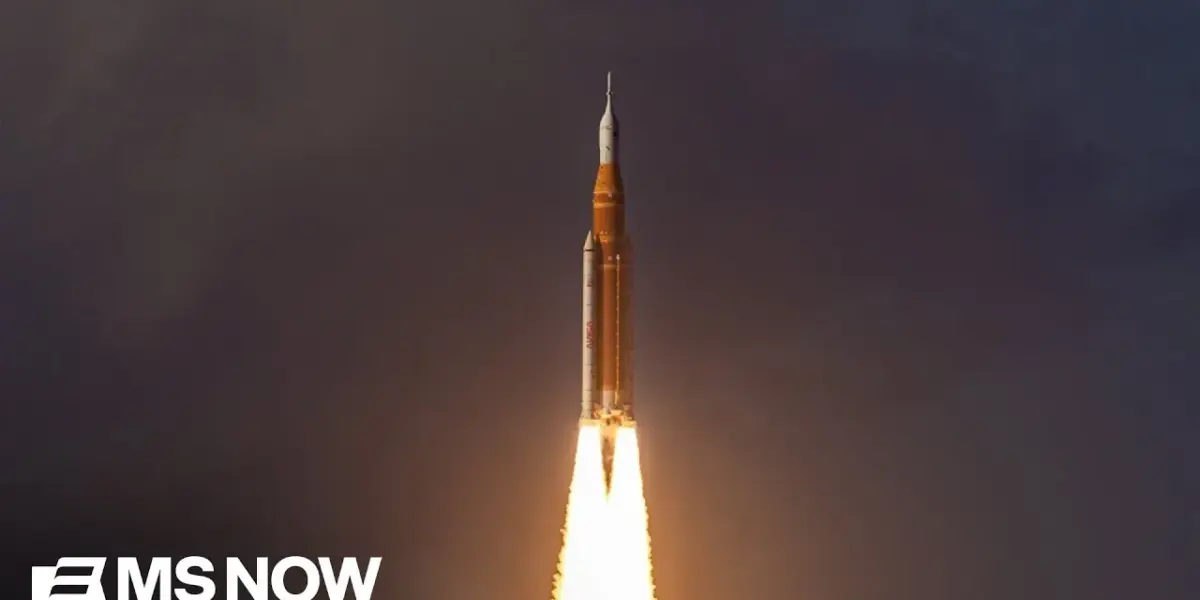
Artemis II Nears Crucial Return to Earth
The Artemis II mission is on the cusp of its most critical phase: safely returning the four astronauts to Earth. In the coming hours, the Orion capsule will plunge into Earth’s atmosphere at speeds nearing 25,000 miles per hour. This fiery descent will generate extreme heat and cause a communications blackout lasting approximately six minutes. Protecting the crew during this intense re-entry is the spacecraft’s heat shield, a component NASA has acknowledged has shown flaws in previous missions.
Understanding the Re-entry Challenge
The final minutes of the Artemis II mission involve a series of precise maneuvers. Hours before splashdown, the spacecraft will execute a final engine burn to set its trajectory. Then, the service module, which provides power and propulsion, will be jettisoned. What remains is the capsule, designed to withstand the extreme conditions of atmospheric re-entry. This capsule’s crucial element is its heat shield, made of a material called Avcoat, an epoxy resin.
Heat Shield Concerns and NASA’s Response
Concerns about the heat shield’s integrity surfaced after the uncrewed Artemis I mission a couple of years ago. During inspection following its splashdown, engineers discovered significant damage to the shield. This damage raised serious questions for future crewed missions. NASA’s solution for Artemis II involved altering the spacecraft’s re-entry trajectory. The hope is that this adjusted path will minimize the stress on the heat shield, thereby reducing potential damage.
Damage to a heat shield during re-entry could have catastrophic consequences, potentially endangering the lives of the astronauts. Mission managers have expressed confidence that the modifications made will ensure a safe splashdown. However, all eyes will be on the spacecraft during those final, intense minutes as it pierces the atmosphere.
Parachute System: A Critical Backup
In addition to the heat shield, the parachute system is vital for a safe landing. The Orion capsule will deploy 11 parachutes in sequence. These parachutes will slow the capsule from its high-speed descent to a much gentler speed of about 20 miles per hour just before it hits the Pacific Ocean. A team member involved in designing these parachutes explained their function: “We’ve got 11 total parachutes on Orion, which decelerates the vehicle from about 350 miles per hour at 24,000 feet down to a cozy 17 miles per hour at the surface so our crew has a nice safe landing.”
The design and operation of these parachutes cannot be altered in real-time. This means the extensive work and dedication put in by the team over the past 15 to 20 years were crucial to ensure their reliability. Mission Control has reported optimal weather conditions off the coast of California for the planned splashdown this afternoon.
Expert Opinions on Risk and Exploration
While NASA expresses confidence, some experts have voiced reservations. Charlie Camarda, a former NASA astronaut and heat shield expert, told The New York Times that he believes there is a 95% chance the astronauts will return safely. This implies a 1 in 20 chance of disaster, a statistic that highlights the inherent risks of space exploration.
Retired astronaut and former International Space Station Commander Chris Hadfield acknowledged Camarda’s concerns but also emphasized the broader perspective. Hadfield stated, “When Charlie Camarda talks, I listen. I’ve known Charlie for a lot of years. But when everybody else at NASA and all of the researchers talk, I listen to them too.” He noted that the crew themselves are the most concerned and have closely examined the heat shield’s performance. Hadfield added, “They are convinced that the heat shield is going to protect them adequately coming home from space today.”
Hadfield also reflected on the nature of exploration, stating, “We have to actually take a risk in order to explore the rest of the universe.” He believes that while dissenting opinions are valid, waiting for absolute perfection would halt progress. By his judgment, the risks associated with this mission are worth taking.
Inspiration Beyond the Science
Beyond the technical challenges and scientific objectives, the Artemis missions carry significant inspirational weight. In a time when many countries grapple with difficult political issues, the images from space and the bravery of astronauts often provide a unifying sense of awe and wonder. Hadfield observed, “It’s a difficult time on Earth, as often happens, as we squabble over territory and fear and normal human behavior. But that doesn’t mean that everything is bad.”
He highlighted the enduring power of the human spirit, exploration, and the quest for knowledge. “Human spirit, exploration, individual excellence, and the quest to try and understand the unknown. And that’s what Artemis embodies for everyone,” Hadfield explained. The spectacular visuals from the mission and the professionalism of the crew have, he believes, shown “what people can be and what professional astronauts do for a living and where it can take us all.”
Hadfield concluded by emphasizing the need for positive role models. “And now, as much or maybe even more than ever, we really need an inspirational and forward-thinking example that everyone can look towards. And to me, Artemis has done that wonderfully. Look what can happen when people work together.” The Artemis II mission, despite its technical hurdles, serves as a powerful reminder of human capability and collective achievement.
What to Watch Next
All attention is now focused on the final hours of the Artemis II mission. The successful re-entry and splashdown of the Orion capsule will mark a significant achievement for NASA and a crucial step toward future lunar exploration. Engineers and astronauts will meticulously analyze the data from the re-entry, particularly the performance of the heat shield and parachutes, to inform preparations for subsequent Artemis missions. The world watches, hoping for a safe return and inspired by the enduring spirit of human exploration.
Source: ‘Look up in awe… They’ve shown what people can be’ : Fmr. I.S.S. Commander on Artemis II (YouTube)

Related Articles


Artemis II Ignites: Astronauts Blast Off for Moon
Artemis II astronauts have successfully launched aboard the powerful Space Launch System rocket, beginning their historic journey around the Moon. This crewed mission marks a significant return to deep space exploration after more than 50 years. It tests vital systems for future lunar landings and Mars missions.

Navy Secures Artemis II Crew, Capsule Amidst Fiery Re-entry
The U.S. Navy is executing a complex recovery operation for the Artemis II astronauts and the Orion capsule following their return from lunar orbit. This mission highlights the crucial role of naval support in human spaceflight and marks a significant step in NASA's ambitious deep-space exploration goals.


Orion Heat Shield Mysteriously Damaged, NASA Adjusts Course
NASA's Orion spacecraft experienced unexpected damage to its heat shield during the Artemis 1 mission's re-entry. Scientists have identified gas buildup during skip re-entry as the cause and are adjusting the trajectory for Artemis 2 to prevent further spallation. A more porous material will be used for Artemis 3.