Artemis II Crew Captures Unseen Lunar Views, Rewrites Space History
The Artemis II crew has made history by becoming the first humans in 53 years to see the far side of the Moon. NASA released stunning photos from the flyby, capturing unseen lunar vistas and setting new distance records. This mission marks a crucial step in humanity's return to lunar exploration and future Mars endeavors.

Artemis II Crew Captures Unseen Lunar Views, Rewrites Space History
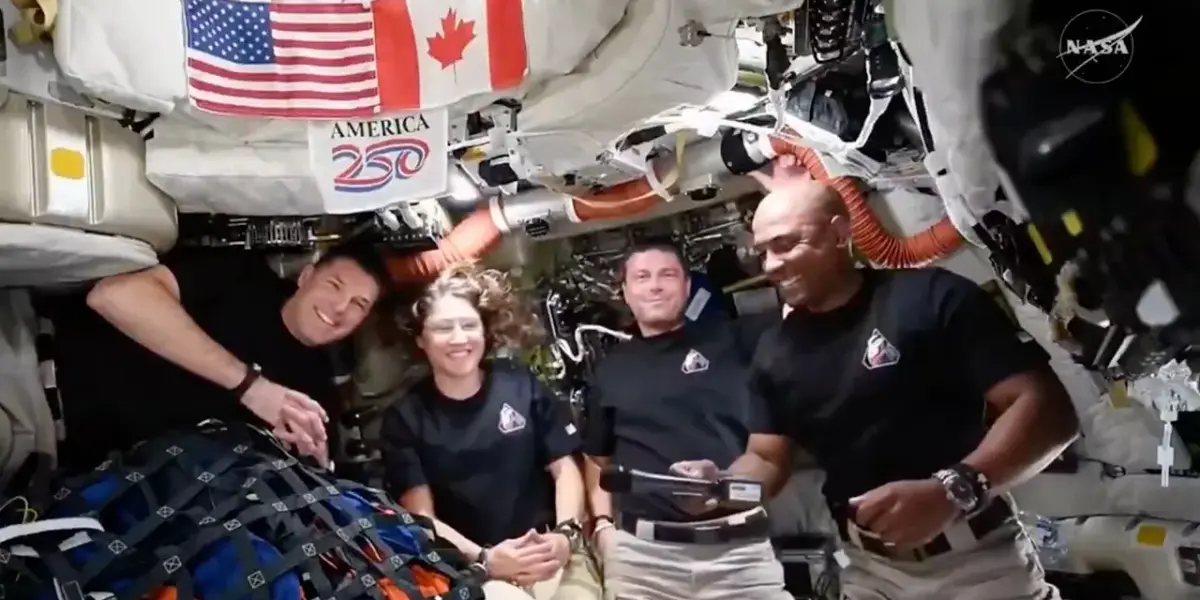
The Artemis II mission has achieved a significant milestone, sending the first humans in over five decades to witness the far side of the Moon. NASA recently shared stunning new photos from this historic flyby, offering a glimpse into a region unseen by human eyes since the Apollo era. The images capture not only the stark beauty of the lunar surface but also moments of profound human experience in the vastness of space.
First Humans in 53 Years See Lunar Far Side
For the first time since the Apollo 17 mission in 1972, astronauts have had a direct, firsthand view of the far side of the Moon. This part of the Moon always faces away from Earth, making it a mysterious and largely unexplored territory for human observation. The Artemis II crew described the experience as a milestone, noting the surreal feeling of being out of contact with our home planet.
“When we were on the far side of the Moon and out of contact with planet Earth, we all knew it and it was a milestone. We saw Earth disappear.”
Record-Breaking Journey and Unique Views
During their journey, the Artemis II astronauts also set a new record, becoming the farthest-traveling humans in history. They reached a distance of just over 253,000 miles from Earth. Among the remarkable sights captured were solar eclipse shots. To safely observe these powerful events, the crew had to wear special protective glasses, shielding their eyes from the intense light.
The astronauts reported seeing sights that no human had ever witnessed before, not even during the earlier Apollo missions. This suggests that even familiar celestial bodies hold new wonders waiting to be discovered.
Presidential Recognition and Future Ambitions
Following their successful lunar orbit, the Artemis II crew received a congratulatory phone call from President Trump. He acknowledged their historic achievement, stating that they had made all of America proud and that the whole world was watching. The President expressed his admiration, even asking for autographs, highlighting the monumental nature of their accomplishment.
This mission is more than just a symbolic return to lunar exploration. NASA views the Artemis program as a crucial stepping stone towards larger goals, including eventually sending humans back to the Moon to establish a more permanent presence and, further down the line, reaching Mars.
Why This Matters
The Artemis II mission represents a significant leap forward in human space exploration. It not only reignites our fascination with the Moon but also serves as a vital testbed for the technologies and procedures needed for longer, more complex missions. Seeing the far side of the Moon with our own eyes, rather than just through robotic probes, connects us to space in a deeply human way. It reminds us of our innate drive to explore the unknown and push the boundaries of what’s possible.
Historical Context and Future Outlook
The Apollo program in the 1960s and 70s first put humans on the Moon, but those missions focused primarily on the near side. For decades, the far side remained a distant, unseen frontier. Robotic missions have provided images, but the human perspective offers a unique and invaluable understanding. The Artemis program aims to build on the legacy of Apollo, establishing a sustained human presence on the Moon and using it as a launchpad for missions to Mars.
The success of Artemis II paves the way for future missions, including Artemis III, which is planned to land astronauts on the lunar south pole. This ongoing effort signifies a renewed global commitment to deep space exploration. As we continue to venture further, the lessons learned and the sights witnessed by crews like Artemis II will shape the future of humanity’s journey among the stars.
Looking Ahead
The Artemis II crew is expected to return to Earth on Friday, concluding their groundbreaking journey. Their experiences and the data they’ve gathered will be invaluable as NASA prepares for the next phases of lunar exploration and the ambitious goal of reaching the Red Planet. The images shared offer a tantalizing preview of what lies ahead in this new era of space exploration.
Source: NASA Shares Photos of Far Side of Moon From 'Historic' Artemis II Mission (YouTube)

Related Articles

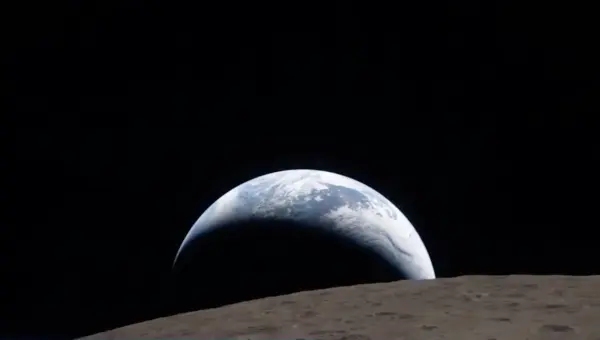
Artemis II Crew Recreates Iconic ‘Earthrise’ Photo
NASA's Artemis II astronauts captured stunning images during their lunar flyby, including a view reminiscent of the iconic Apollo 8 'Earthrise' photo. The mission marks a significant step in returning humans to the moon and exploring its mysteries.


Astronauts Face Trump’s Odd Praise in Awkward Space Chat
Former President Donald Trump engaged in an unusual conversation with the Artemis II astronauts, praising their courage by comparing them to Wayne Gretzky. The exchange highlighted Trump's focus on personal connections rather than the mission's scientific goals.


Artemis II Astronauts Near Earth After Historic Moon Flyby
NASA's Artemis II astronauts are nearing Earth after a successful lunar flyby, completing vital science experiments and capturing stunning images. The mission provided new perspectives on the Moon and Earth, including observations of meteorite impacts and a total solar eclipse. The crew's return is a crucial step for future lunar exploration.