Artemis II Astronauts Shatter Distance Record from Earth
The Artemis II crew has made history by shattering the record for the farthest humans have traveled from Earth during their lunar flyby. The mission involves critical scientific observations and navigating a temporary communication blackout as they orbit the Moon.


Artemis II Crew Makes History with Lunar Flyby
The Artemis II mission has achieved a monumental feat, with its crew breaking the record for the farthest humans have traveled from Earth. The astronauts are currently orbiting the far side of the Moon, pushing the boundaries of human space exploration. This historic flight marks a significant step in NASA’s ambitious Artemis program, which aims to return humans to the lunar surface and beyond.
A Mission of Records and Science
On Tuesday, the Artemis II crew embarked on a critical phase of their mission, swinging around the far side of the Moon. This maneuver not only set a new distance record, surpassing the Apollo 13 mission by over 4,100 miles, but also provided a unique opportunity for scientific observation. The astronauts are tasked with identifying lunar geology features and capturing high-resolution photographs. These images are crucial for scientists studying the Moon’s surface and planning future landing sites.
Navigating the ‘Radio Silent’ Zone
A particularly tense yet exciting moment of the mission involves a temporary loss of communication as the spacecraft passes behind the Moon. For approximately 40 minutes, the astronauts will be out of radio contact with mission control. While this period presents a challenge, NASA has extensive experience with such situations. The Orion capsule is equipped with advanced telecommunications systems, and the crew is highly trained to handle these scenarios. Experts express confidence in the mission’s safety, highlighting the built-in redundancies in propulsion and software, as well as the spacecraft’s ‘free return’ trajectory that uses lunar gravity to guide it back to Earth.
Capturing the Unseen Moon
The Artemis II mission offers a new perspective on the Moon, allowing astronauts to see its entire disk in a way that was not always possible during the Apollo missions. Because Artemis II is traveling farther, the crew can capture the full lunar disc within their view. This allows for the identification of features that may have been missed by previous missions, which often saw only portions of the Moon due to their closer proximity. The human eye, with its ability to perceive color patterns and lighting conditions, can gather unique data that complements information from robotic missions. This synergy between human observation and robotic exploration is vital for advancing our understanding of the Moon and preparing for future lunar endeavors.
Earthrise and Lunar Geology: Key Objectives
Among the anticipated highlights of the mission are the potential for a new ‘Earthrise’ photo, reminiscent of the iconic image taken during the Apollo 8 mission. The astronauts will also spend seven hours observing the lunar surface. This extended observation period is designed to gather crucial scientific data. By identifying geological features and analyzing lighting conditions, the crew’s findings will inform future mission planning, including the selection of safe and scientifically interesting landing sites for subsequent Artemis missions.
A Global Effort Backed by Dedication
The success of the Artemis II mission relies on the coordinated efforts of thousands of individuals worldwide. Mission control teams work around the clock, ensuring constant communication and monitoring of the spacecraft. While specific teams rotate to prevent exhaustion, a dedicated group remains vigilant. The entire Artemis program is a testament to human ingenuity and collaboration, involving extensive planning, rigorous testing, and a deep commitment to scientific discovery. This mission is not just about reaching new distances; it’s about building the foundation for future human exploration and scientific advancement.
Looking Ahead: The Future of Exploration
The Artemis II mission serves as a crucial test flight for the Orion capsule, validating its capabilities for future, more extended lunar missions. The data and experiences gained from this journey will be instrumental in paving the way for the Artemis III mission, which aims to land the first woman and the next man on the Moon. As NASA continues to push the frontiers of space exploration, the Artemis program remains at the forefront, promising further discoveries and inspiring generations to come.
Source: Artemis II astronauts to set new distance record from Earth (YouTube)

Related Articles

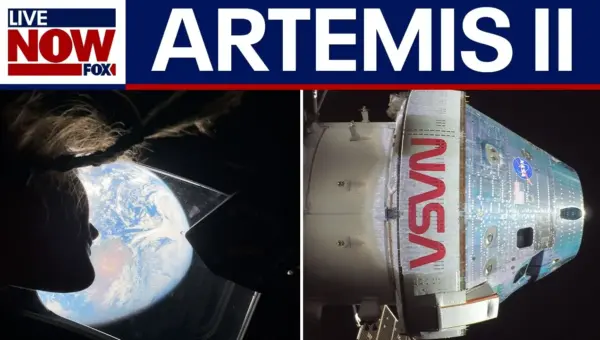
Artemis II Crew Reaches Farthest Human Distance from Earth
The Artemis II mission crew is making history by traveling farther from Earth than any humans before, surpassing the Apollo 13 record. The spacecraft is currently performing a lunar flyby, with key moments including passing behind the Moon and reaching its closest approach.

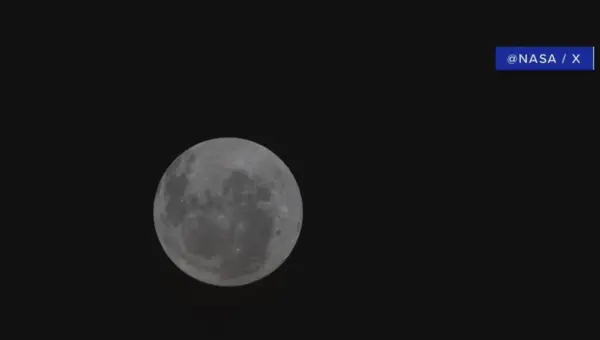
US Reaches Moon’s Far Side, Eyes Future Space Dominance
US astronauts on the Artemis II mission have flown by the far side of the Moon, setting a new distance record for human spaceflight. This historic achievement marks a significant step in America's return to lunar exploration and lays the groundwork for future missions to the Moon and Mars.


Artemis II Astronauts Face Isolation on Moon’s Far Side
The Artemis II mission will see four astronauts travel to the far side of the Moon, experiencing a 40-minute communication blackout. This historic test flight aims to gather crucial data on the lunar south pole and push the boundaries of human space exploration.