Army Chief Ousted Amid Iran Tensions, Strait of Hormuz Blockade
The Army's top general has been asked to retire amid escalating tensions with Iran. Simultaneously, an international coalition is discussing joint action to reopen the vital Strait of Hormuz, which has been disrupted by Iran. The conflict has also seen critical infrastructure in Iran targeted, while the Houthi movement signals its support for Iran.

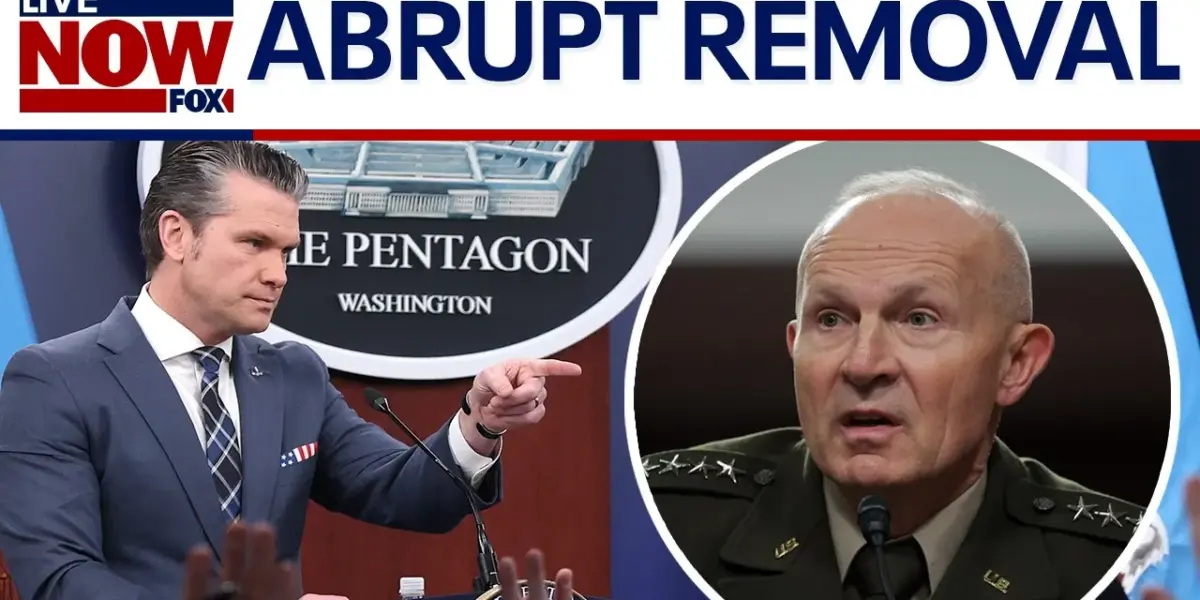
Top Army General Asked to Retire Amid Escalating Iran Conflict
In a significant development within the U.S. military, the Army’s top uniformed officer, Chief of Staff General Randy George, has been asked to step down and retire immediately. This move comes as the United States remains engaged in military actions involving Iran, raising questions about its impact on ongoing operations in the Middle East.
National security analyst Hal Kemper noted that while generals are often relieved or fired during wartime, and this administration has seen several high-ranking officers depart, the timing is notable. Kemper explained that such decisions often hinge on rapport and relationships at the highest levels of government, rather than solely on battlefield performance. General George had been selected for his position by a previous administration, and his prior role included serving as a senior military aide to the Secretary of Defense within the current administration.
International Coalition Eyes Strait of Hormuz Reopening
Meanwhile, international efforts are underway to address the blockade of the Strait of Hormuz, a critical global shipping lane. Approximately 40 countries recently discussed joint actions to reopen the waterway and counter Iran’s influence, which is seen as holding the global economy hostage.
Kemper suggested that these nations could form a combined task force to ensure the strait remains open. He highlighted the potential contribution of mine sweepers, an asset the U.S. has in limited supply but which many of these countries possess collectively. The focus is on clearing potential mines laid in the normal international sea lanes, which appear to be deliberately avoided by shipping traffic.
“The question mark in a lot of people’s minds is are those sea lanes mined? Is that why the Iranians don’t want anybody go through there?” Kemper stated. He added that a successful operation would require significant naval and air assets from the coalition, alongside careful planning and a cessation of active anti-ship combat capabilities.
Iran Faces Critical Infrastructure Strikes, Escalating Tensions
The conflict has seen direct strikes on critical infrastructure within Iran. Following remarks from former President Donald Trump about striking Iran’s power plants, a major bridge west of Tehran, a vital logistics route, was reportedly destroyed.
“That was a massive bridge. It’s a bridge that goes west out of Tehran. It goes to another major city. It’s a major line of communication. It’s a logistics route,” Kemper described. He noted this as a significant blow, especially as the bridge was relatively new.
Kemper warned that Iran might retaliate by targeting similar infrastructure in Gulf States, such as causeways or power facilities. He characterized the strike on the bridge as a statement, signaling a willingness to target critical infrastructure, although international law typically requires a military purpose for such actions.
Houthis Re-Engage, Backing Iran in Escalating Conflict
Activity from the Houthi movement in Yemen has also intensified, signaling their alignment with Iran in the broader conflict. Recent reports indicate a missile launch toward Israel from Yemen, following warnings of incoming missiles from Iran.
Kemper recalled that Houthi activity had decreased after a period of intense strikes during the Trump administration. However, he believes the Houthis have now made a decision to support Iran, evidenced by their ballistic missile firings at Israel. This move has direct implications for the Bab el-Mandeb Strait, another crucial maritime chokepoint.
“If the regime in Iran falls apart, I think the Houthis are making a rather fatal decision because that is the only country in the world that backs them,” Kemper stated. He cautioned that if Iran’s support wanes, the Houthis would struggle to sustain themselves, especially if the U.S. and its allies intensify efforts against them.
Market Reaction and U.S. Military Posture
The geopolitical developments have had a noticeable impact on global markets. Following former President Trump’s address, which offered no clear roadmap for ending the conflict, oil prices rose and the broader market declined.
Kemper observed that market reactions reflected a lack of comfort and projected economic downturns. This puts pressure on the current administration to present a more robust strategy. The threat of targeting Iran’s critical infrastructure, such as power plants, is a significant consideration, though it carries the risk of Iranian retaliation against coalition allies’ infrastructure.
In terms of military deployment, the U.S. has sent significant troop contingents to the Middle East, including the 31st and 11th Marine Expeditionary Units, along with elements of the 82nd Airborne Division. Kemper suggested these forces are equipped for potentially audacious operations, such as seizing islands or even nuclear facilities within Iran. He concluded that any Iranian defenders in the region would likely be feeling considerable nervousness given this build-up.
Looking Ahead: Continued Gulf Focus and Potential Escalation
The situation in the Persian Gulf remains a critical focus, with potential for further escalation. Analysts anticipate continued attention on securing maritime routes and addressing Iran’s destabilizing activities.
Future developments will likely involve monitoring the effectiveness of international efforts to reopen the Strait of Hormuz, the potential for Iranian retaliation against critical infrastructure, and the continued involvement of regional actors like the Houthis. The U.S. military presence and its potential roles in future operations will also be closely watched.
Source: Iran war rages as Hegseth asks Army's top general to step down (YouTube)

Related Articles

US Pilot Feared Lost in Iran; Search Underway
The U.S. military is conducting a search operation inside Iran for an American pilot whose fighter jet may have been downed. Details are limited, with uncertainty over whether the plane was shot down or suffered mechanical failure. The operation highlights the complexities of rescue missions in hostile territory and occurs amid heightened regional tensions.


US Policy Shift Stuns Allies, Weakens Global Security
US policy shifts regarding Ukraine, the Strait of Hormuz, and NATO are raising concerns among allies and creating global instability. Critics point to a lack of strategic planning and diplomatic consultation, potentially emboldening adversaries and undermining international security.


Strait of Hormuz Tensions Risk Wider Middle East War
Efforts to secure the vital Strait of Hormuz risk triggering a wider Middle East war, according to UN warnings and security analysts. The narrow waterway is crucial for global trade, and forcing it open against Iran's objections could escalate regional tensions dramatically. Experts highlight the complex geography, Iran's remaining military capabilities, and the involvement of regional players as key factors in the volatile situation.