Army Chief of Staff Ousted in Major Pentagon Shakeup
Army Chief of Staff General Randy George has been ordered to step down immediately in a major shakeup directed by Defense Secretary Pete Hegseth. The unexpected move comes as the U.S. military remains engaged in conflicts involving Iran. General Christopher Lanv will serve as acting Chief of Staff while a permanent replacement is sought.

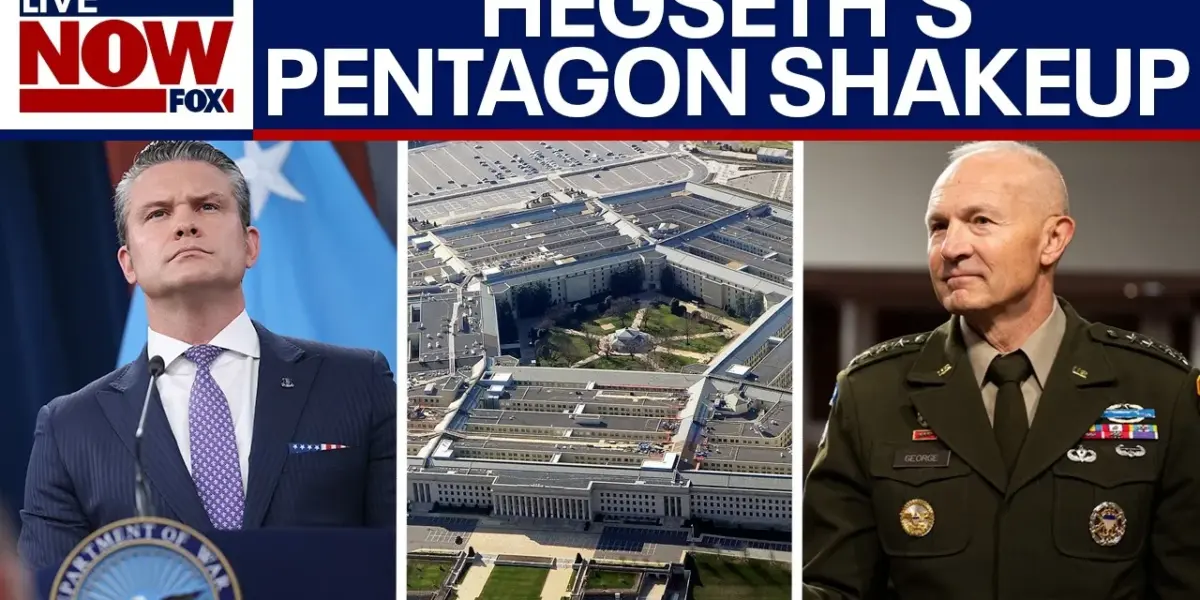
Army Chief of Staff Randy George Removed by Defense Secretary Hegseth
In a significant leadership change at the Pentagon, Army Chief of Staff General Randy George has been ordered to step down immediately and take retirement. The directive came from Defense Secretary Pete Hegseth on Thursday, marking a swift and unexpected shakeup within the U.S. military leadership. This move occurs as the United States remains engaged in ongoing military actions involving Iran.
Sean Parnell, the chief spokesperson for the Department of Defense, confirmed the development on social media. “General Randy George will be retiring from his position as the 41st Chief of Staff of the Army effective immediately,” Parnell stated. He added, “The Department of War is grateful for General George’s decades of service to our nation. We wish him well in his retirement.” Secretary Hegseth also posted a similar message on social media, underscoring the finality of the decision.
Broader Leadership Changes and Historical Parallels
This abrupt removal of General George is drawing comparisons to similar leadership changes that occurred early in the Trump administration. In February 2025, Secretary Hegseth, alongside then-President Trump, removed several high-ranking military officials. These included Admiral Lisa Franketti, the top officer in the Navy, the second-highest general in the U.S. Air Force, and General CQ Brown, the Chairman of the Joint Chiefs of Staff.
Constantine Torpin of the Associated Press described the move as a surprise for many outside of Pentagon circles. “For folks that were not sort of knee-deep in Pentagon minutia or sort of reading the tea leaves, I think it was it came as a total surprise,” Torpin said. He noted that while Hegseth and the Trump administration have not hesitated to dismiss officers for undisclosed reasons, this particular change, especially amid the conflict in Iran, struck many as unexpected.
Impact on Army Readiness Amidst Global Conflicts
The role of the Army Chief of Staff, while not directly involved in day-to-day tactical operations, is crucial for the overall health and readiness of the force. These leaders are responsible for the “manning, training, and equipping” of the Army. This means they oversee personnel, training programs, and the equipment provided to soldiers who are deployed in combat zones, such as the Middle East.
While General George’s removal is not expected to cause immediate tactical disruptions, it introduces instability into the Army’s senior leadership. This instability can make maintaining continuity in ongoing efforts and training pipelines more challenging. The U.S. military is currently facing complex challenges, including continued engagement with Iran, making stable leadership even more critical.
Who Takes the Helm? The Confirmation Process Ahead
Following General George’s departure, the position of Army Chief of Staff will be filled on an acting basis by his second-in-command, General Christopher Lanv. The role of Chief of Staff requires confirmation by Congress, meaning the Trump administration will eventually need to formally nominate a candidate for the position.
General Lanv’s own career trajectory is notable. Before rising to his current positions, he served as a two-star general commanding a unit in South Korea. Since Hegseth took power, Lanv has served as Hegseth’s top military aide and, more recently, as the deputy chief of staff. His appointment to the deputy role was itself under unusual circumstances, as he was nominated while General James Mingus was already serving in that capacity and had not announced any plans to retire.
Speculation on the Reasons Behind the Ouster
Despite inquiries to various Pentagon officials, no official reason has been provided for General George’s removal. While the ongoing conflict in the Middle East and potential U.S. actions against Iran are a major focus, officials have declined to offer any specific explanations linking the two.
Torpin suggested that this move aligns more with a consistent pattern observed since Hegseth’s tenure began. “To me, this fits more into like, as we sort of said at the beginning of this conversation, the broader pattern that we’ve seen going back to the beginning of the Hegseth’s time in the Pentagon where there has just been this steady drumbeat of ousters that have basically been going on regardless of what’s been going on with military operations,” he stated. This suggests a potential broader strategy of leadership reshuffling within the military that is not directly tied to current combat operations.
Looking Ahead: Stability and Future Leadership
The immediate focus will be on General Lanv’s performance as acting Chief of Staff and the administration’s nomination process for a permanent replacement. The Senate’s confirmation hearing for any nominee will likely scrutinize the reasons behind General George’s sudden departure and the administration’s approach to military leadership. As the U.S. navigates complex international security challenges, ensuring stability and clear leadership within the Army remains a paramount concern for national security.
Source: Army chief of staff ordered to step down immediately after Hegseth directive (YouTube)

Related Articles
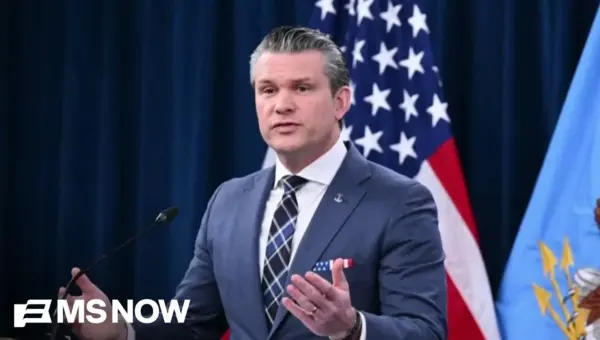
Hegseth Fires Army Chief Amid War, Sparks Uproar
Defense Secretary Pete Hegseth has abruptly fired Army Chief of Staff General Randy George amid the ongoing war in Iran, sparking widespread concern and questions on Capitol Hill. Critics allege the move is part of a pattern of political purges, weakening experienced leadership. With General George out and a new acting chief expected, the focus is on the stability and direction of the Army's command during a critical period.

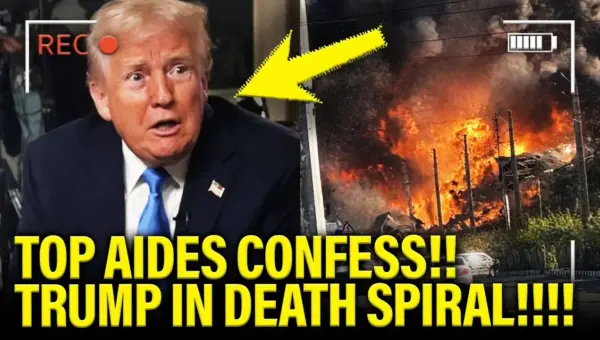
Trump’s War Room Crumbles: Aides Confess Catastrophe
Top aides are reportedly confessing to Donald Trump that the war in Iran is a catastrophic failure, with Iran's military capabilities and global influence growing. This comes amid reports of domestic discontent and internal military strife.

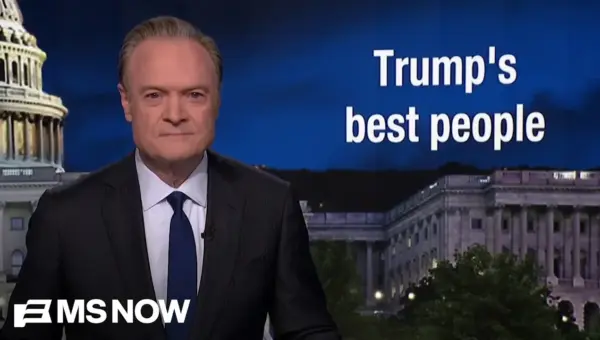
Trump Fires Top General, AG Amidst War and Political Turmoil
President Donald Trump has reportedly fired Army Chief of Staff General Randy George amidst the ongoing war in Iran. Simultaneously, Attorney General Pamela Bondi has been dismissed, continuing a trend of high turnover in the Justice Department. The role of Acting Attorney General has been filled by Todd Blanche, Trump's former personal defense lawyer.