ARM Projects $15B Revenue in 5 Years with New Chip
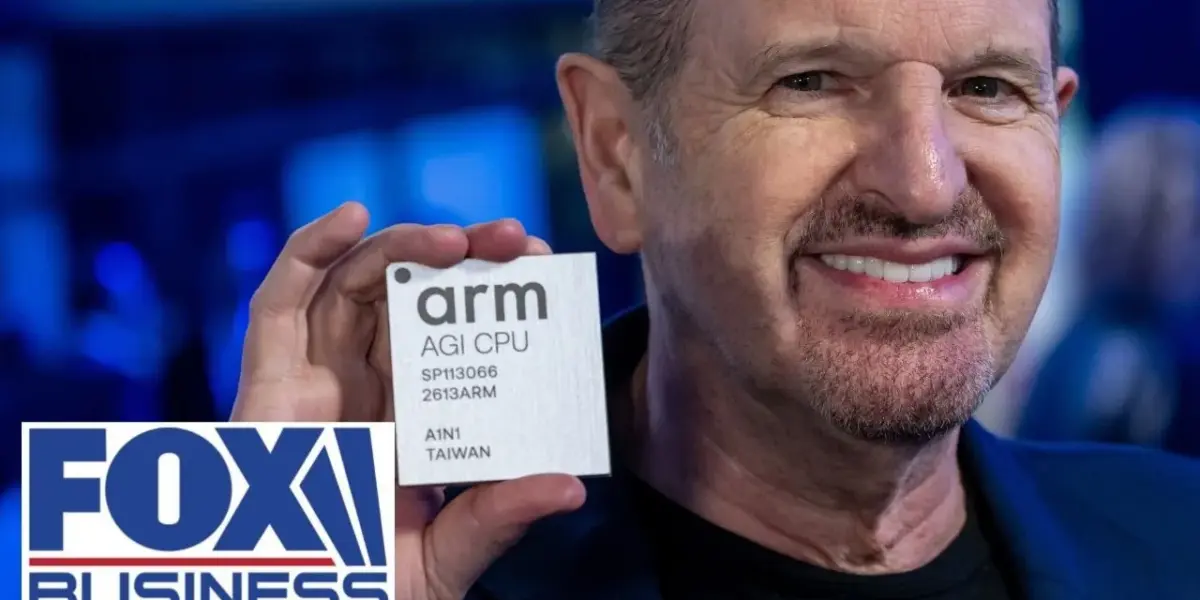
ARM Holdings is launching its own AI chip, the ARM AGI CPU, aiming for $15 billion in annual revenue within five years. Meta is the lead partner in this strategic shift, which leverages ARM's core strength in low-power, high-performance designs. The move signals a significant expansion beyond ARM's traditional role as a chip blueprint provider.

ARM Holdings Aims for $15 Billion Revenue in Five Years with New AI Chip Strategy
ARM Holdings, a company long known for designing the blueprints for computer chips used by others, is making a significant strategic shift. ARM is now set to design and sell its own semiconductor, the ARM AGI CPU. This move aims to tap into the booming artificial intelligence (AI) market, with the company projecting up to $15 billion in annual revenue within five years. The announcement has already boosted investor confidence, with analysts at Raymond James upgrading the stock. Other banks are expected to follow suit.
A New Direction for a Chip Giant
For decades, ARM has operated by providing chip designs, or blueprints, to other companies. These companies then customize these designs to create their own chips. Now, ARM is stepping into a new role, selling its own finished chip designs directly to customers. This marks a major change for the company, which has been a foundational player in the semiconductor industry since 1990.
Meta Leads the Charge as Key Partner
The new strategy began when Meta, the parent company of Facebook and Instagram, approached ARM. Meta expressed that the current market for AI chips was not meeting its needs and that they wanted to use ARM’s technology. This collaboration is central to ARM’s new venture. Meta is the lead partner, and their early involvement signals strong demand for ARM’s new chip offerings.
Financial Projections and Market Impact
ARM is forecasting that its new chip strategy will generate up to $15 billion in revenue within five years. In the near term, the company expects about $1 billion in revenue from this initiative. These figures are based on what ARM believes it can currently supply, with potential for higher numbers if memory and other component supplies increase. This projection has already caused ripples in the market.
Understanding ARM’s Business Model Shift
ARM’s traditional model involved licensing its intellectual property (IP). For example, on a chip costing around $1,000, ARM might earn about $50 in profit from IP licensing. With its new strategy of selling complete chips, ARM anticipates significantly higher profits. The company estimates that selling a chip with a 50% gross margin could generate profits of about $500. This represents a potential tenfold increase in gross profit compared to selling individual pieces of IP, especially for AI applications.
Low Power, High Performance: The ARM Advantage
ARM has always been known for its low-power chip designs, a trait that originated from its success in mobile phones. Crucially, this low power consumption has historically come without sacrificing performance. ARM CEO Rene Haas emphasized that this DNA – low power with no compromise on performance – remains central to the company’s offerings. This combination is highly attractive to data centers and other high-demand computing environments that are currently experiencing a shortage of powerful, yet efficient, processing capabilities.
Expanding Beyond Meta: A Growing Customer Base
While Meta is the initial key partner, ARM is already engaging with other major players in the tech industry. The company has spoken with potential customers like OpenAI, Cloudflare, and SAP, among others. These are not just potential partners but customers who have plans to integrate ARM’s new chips into their data center operations. This broad interest indicates a strong demand across the AI and cloud computing sectors.
Serving Diverse Cooling Needs
ARM’s new chips are designed to be adaptable to various system configurations. The company can deliver solutions for both air-cooled and liquid-cooled racks. An air-cooled rack can house over 30 CPUs, providing about 8,000 CPU cores and consuming around 36 kilowatts. For more intensive applications, liquid-cooled racks can handle even higher power demands, exceeding 45,000 watts. This flexibility is crucial for meeting the diverse needs of data center operators.
Support from Industry Giants
The announcement of ARM’s new chip strategy has garnered significant support from long-time partners and industry leaders. Companies like Amazon, Google, Microsoft, and NVIDIA, who have historically built chips based on ARM’s technology, have publicly endorsed the move. This widespread backing highlights the strength of the ARM ecosystem and its importance for chip development. The success of ARM’s new chip is expected to benefit the entire ecosystem by encouraging more software development on the ARM platform, which in turn enhances hardware capabilities and vice versa.
Looking Ahead: A Vast Market Opportunity
ARM CEO Rene Haas indicated that the ARM AGI CPU is just the beginning. He stated that this single product addresses a $100 billion market opportunity on its own. Considering the broader semiconductor market is valued at close to a trillion dollars, the potential for ARM’s expansion is immense. The company’s tagline, “This is only the beginning,” reflects its ambitious outlook for future growth and innovation.
The Role of SoftBank and Masayoshi Son
SoftBank, ARM’s largest shareholder with a 90% ownership, has played a critical role in driving this strategic shift. SoftBank Chairman Masayoshi Son has been deeply involved, with frequent discussions about ARM’s strategy and objectives. Son’s strong belief in ARM’s potential is a key factor behind the company’s bold move into designing and selling its own chips.
Maintaining Confidentiality Amidst Growth
Keeping such a significant strategic shift under wraps until the official announcement was a considerable challenge. ARM’s technology is used by nearly everyone globally, leading to constant discussions with numerous CEOs and partners. The company emphasized its strong internal discipline in handling confidential information. This strict adherence to confidentiality ensured that no details leaked prior to the official launch, a testament to ARM’s commitment to data security.
Market Reaction and Future Outlook
Following the announcement, ARM’s stock saw a significant jump of over 16%. This positive market reaction underscores investor confidence in the company’s new direction and its potential for future growth in the lucrative AI chip market. As ARM continues to develop its new product line and expand its customer base, the semiconductor industry will be closely watching its progress.
Source: ARM Holdings CEO: We are projecting up to $15B revenue in 5 years (YouTube)

Related Articles


War Sparks Global Shortages: Helium, Chips, and Food at Risk
Global supply chains are under pressure from geopolitical conflict and rising demand, leading to shortages of critical materials like helium and fertilizers. This situation threatens semiconductor production, agricultural yields, and is contributing to higher inflation and slower economic growth worldwide.


Parents Win Landmark Social Media Trial Against Big Tech
A landmark trial in Los Angeles has concluded with a jury finding Meta and YouTube liable for harm caused by their platforms' addictive designs. Parents who lost children to social media-related issues celebrated the verdict, calling it a victory for a generation. Tech companies maintain their stance, arguing mental health is complex and cannot be solely blamed on apps.


US Must Block China’s Tech Access for Security
US national security experts are raising alarms about China's access to advanced AI chips, arguing it threatens strategic advantages. This, coupled with charges against Chinese entities for fentanyl precursor sales and a ban on foreign routers, signals a growing effort to prioritize security over business ties.