Arm Launches First AI Chip, Meta Leads Charge
Arm, known for its chip designs in smartphones, has launched its first in-house AI chip, the Arm AGI, with Meta as its initial customer. This move challenges established chip makers by offering a power-efficient, high-performance solution for the growing AI market. The company aims to provide greater choice and competition in the critical AI hardware sector.

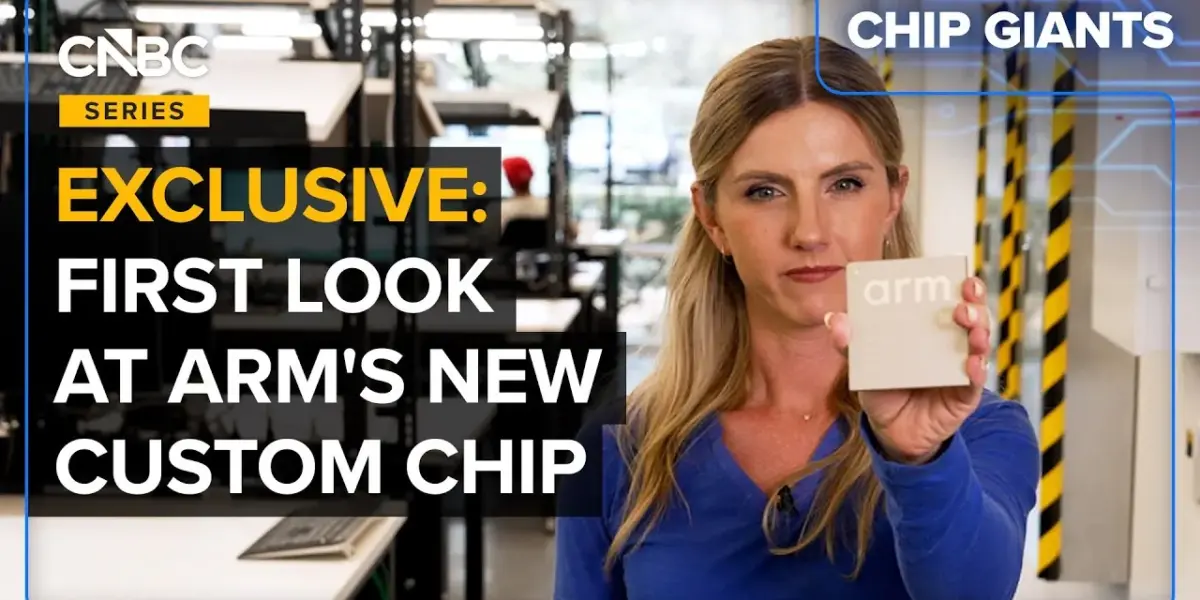
Arm Enters AI Chip Race with New In-House CPU
Arm, the company whose chip designs power nearly every smartphone, is making a bold move into the physical chip manufacturing business. It has launched its first in-house designed artificial intelligence (AI) chip, called the Arm AGI. This new chip is built for efficient AI tasks and has Meta, the parent company of Facebook and Instagram, as its first major customer. This marks a significant shift for Arm, which traditionally licensed its designs rather than producing its own silicon.
A New Era for Arm: From Licensing to Manufacturing
For over 35 years, Arm has been a key player in the tech industry by designing the blueprints for chips and earning money from royalties. Its designs offer a power-saving alternative to the common x86 architecture used by companies like Intel and AMD. This has made Arm’s technology essential for major tech giants such as Apple, Nvidia, Amazon, Google, and Microsoft. Now, Arm is stepping into direct competition with many of these companies by creating its own physical chips.
The Arm AGI Chip: Designed for AI Demands
The new Arm AGI chip is specifically engineered for the demands of AI, particularly for tasks involving artificial general intelligence (AGI). It focuses on being very power-efficient and delivering high performance. This design philosophy means it’s optimized for specific AI functions, unlike some chips that need to handle a wide range of older software. This focus allows for better performance per watt, which is crucial as data centers face increasing power constraints.
Meta’s Strategic Move: Supply Chain Diversity
Meta’s decision to be the first customer for Arm’s new chip is a strategic one. Paul Saab, an engineer at Meta, explained that having multiple chip suppliers is vital for supply chain diversity. In a world where only a few major players typically dominate, Arm’s entry adds another option for companies like Meta. This ensures they are not overly reliant on any single supplier.
Building the Future in Austin, Texas
Arm has invested heavily in its new venture, building a state-of-the-art $71 million chip lab in Austin, Texas. This facility, which took over 18 months to develop, is where Arm tests and optimizes its new chips. The lab houses servers where engineers can remotely work on the silicon, ensuring it meets customer needs. This hands-on approach to chip development shows Arm’s commitment to becoming a significant player in the AI hardware market.
Customer Support and Industry Reaction
While Arm is entering a competitive field, many of its existing customers have publicly supported its move. Companies like Nvidia, AWS, Google, and Microsoft have expressed that Arm’s entry is beneficial for the overall industry. At least eight customers have already committed to buying the new Arm CPU, with about 50 existing customers showing support. However, not all partners have been as vocal, with Qualcomm’s absence from public endorsements noted, especially given ongoing legal and competitive dynamics.
The Growing Demand for CPUs in the AI Era
The rise of agentic AI, where AI systems create and manage tasks independently, is driving a massive demand for powerful Central Processing Units (CPUs). These CPUs are essential for executing the tasks generated by AI agents. As AI capabilities expand, the need for more processing power, especially efficient CPUs, is growing rapidly. Arm’s new chip is positioned to meet this increasing demand.
Performance and Power Efficiency: Key Advantages
Arm claims its new AGI chip can offer twice the performance per watt compared to traditional x86 racks. This means achieving the same amount of work using half the power or getting double the work done in the same power budget. This efficiency is a significant advantage for data centers, where power consumption is a major cost and logistical challenge. With AI workloads expected to grow exponentially, optimizing power usage is critical.
Manufacturing and Future Outlook
The Arm AGI chip is currently manufactured by Taiwan Semiconductor Manufacturing Company (TSMC) using its advanced three-nanometer process. Arm is exploring options for future manufacturing, including potential use of TSMC’s upcoming facility in Arizona. The company aims to make its competitive CPU accessible to a wider range of customers, including those who may not have the resources to develop their own chips. Arm expects the chip to be in full production later this year.
Market Impact
Arm’s entry into the physical AI chip market, with Meta as a key partner, signals a major shift. It introduces new competition and offers customers more choices, potentially driving innovation and cost efficiencies. The focus on power-efficient design addresses a critical bottleneck in data center expansion. This move could reshape the landscape of AI hardware providers, challenging established players and offering alternatives for hyperscalers and large enterprises.
What Investors Should Know
For investors, Arm’s new strategy presents both opportunities and risks. The potential to capture a significant share of the growing AI chip market is substantial, especially with major customers like Meta. However, Arm will face intense competition from established giants like Nvidia, Intel, and AMD, as well as other custom silicon efforts from cloud providers. The success of the Arm AGI chip will depend on its performance, cost-effectiveness, and ability to scale production. The company’s ability to maintain strong relationships with its existing licensing customers while competing directly will be closely watched.
Source: Arm Releases First Ever AI Chip, With Meta As Initial Customer (YouTube)

Related Articles


Meta, YouTube Lose Landmark Cases Over Teen Harm
Meta and YouTube have been found liable in landmark cases alleging their platforms contribute to harm among teenage users. Juries saw through company denials after prosecutors presented damning internal documents showing awareness of negative impacts. This ruling could lead to significant changes in how social media companies are held accountable.


Meta Whistleblower: Zuckerberg Ignored Child Safety Warnings
A former Instagram executive revealed that Meta knew about the harm its platforms caused to children but failed to act. Art Behar testified that Mark Zuckerberg ignored his direct warnings, highlighting the addictive design and ineffective safety tools on Instagram. The recent Los Angeles ruling against Meta has opened the door for greater scrutiny of big tech's practices.


Meta Faces Legal Reckoning: Social Media’s Future in Question
Meta and YouTube have faced significant legal setbacks this week with court rulings finding them liable for social media's harm to young users. These "bellwether" cases could fundamentally alter how tech platforms are regulated and designed going forward, signaling a new era of accountability for the social media industry.