Arizona Sheriff Faces No-Confidence Vote Amid Missing Mom Search
The search for Nancy Guthrie in Arizona's rugged Catalina foothills faces extreme environmental challenges, compounded by a crisis of confidence in Pima County Sheriff Chris Nanos, who is under fire from his own deputies and facing calls for resignation. Meanwhile, her daughter Savannah Guthrie has spoken out about the family's "agony" and their belief that the disappearance was a kidnapping.


Sheriff Under Fire as Search for Missing Mother Enters Critical Stage
The search for 84-year-old Nancy Guthrie, who vanished from her home in the Catalina foothills near Tucson, Arizona, has entered a difficult new phase. It has been over seven weeks since she disappeared, and the rugged desert terrain is presenting major challenges for investigators. This investigation is now unfolding alongside a crisis of confidence within the Pima County Sheriff’s Department, which is leading the search.
Challenging Terrain Hinders Search Efforts
The Catalina foothills are known for their steep, rocky ground, dry riverbeds, and dense desert plants. This tough landscape makes it hard for search teams to cover ground thoroughly. Uneven surfaces and limited access points on large properties mean investigators struggle to know if they have missed any clues. Drones, dogs, and ground crews have all been used, but the environment itself may be hiding evidence in plain sight.
As spring and summer approach, rising temperatures will make the desert even more dangerous. Extreme heat, wind, and wildlife can quickly degrade or move any evidence left behind. While thicker vegetation can block visibility, the harsh conditions also pose risks to searchers and could potentially deter a suspect from trying to hide evidence in the area.
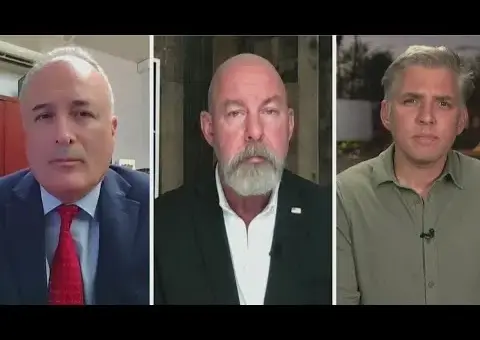
Crime and cold case investigator Cheryl McCollum visited the area and described it as “unforgiving.” She noted the presence of rattlesnakes, bobcats, mountain lions, and black bears, along with hard, rocky ground and extreme heat. She gained a new respect for the difficulty of the search and rescue efforts.
Questions About Investigation and Potential Suspects
Despite extensive efforts, including DNA testing and video analysis, there have been no reports of suspects or clear breakthroughs in the case. Investigators are dealing with thousands of tips, but the lack of concrete leads is concerning.
The vastness and danger of the terrain raise questions. Is the area simply too large for law enforcement to search completely? Or, could the hazards themselves make it difficult for a suspect to dispose of evidence there? Some believe that while the area is dangerous, a quick disposal of evidence might still be possible. A suspect could potentially stop a vehicle briefly to hide something and then leave quickly.
Experts suggest that specialized teams with knowledge of all-terrain searches, like the “Cajun Navy” or Texas EquuSearch, could be valuable. These groups often have horses, ATVs, and experienced personnel that could aid in covering difficult areas.
Technological Limits and Need for Ground Teams
While technology like thermal imaging or forensic material detection exists, it may not be the best fit for this situation. Investigators emphasize the need for “boots on the ground” – people carefully searching for small items like jewelry or a slipper.
In this terrain, dropped items like a shell casing, scissors, or hair can easily become camouflaged. The colors of the rocks, dirt, and plants blend together, making it hard to spot anything out of place. Walking the ground is seen as essential for noticing these details.
Wildlife also poses a significant threat to evidence. If human remains were present, decomposition could happen within days, and animals could quickly scatter them, making identification and recovery much harder.
Sheriff Faces No-Confidence Vote from Deputies
Adding to the pressure, Pima County Sheriff Chris Nanos is facing significant criticism. The union representing hundreds of deputies in his department recently voted no confidence in his leadership. According to reports, nearly all deputies in the union supported this vote, and a majority want him to resign.
This vote highlights long-standing issues, but the handling of the Nancy Guthrie investigation has become a focal point. Allegations have surfaced that mistakes were made, including clearing the crime scene too soon and not involving the FBI quickly enough. Sheriff Nanos has denied making any mistakes and stands by his decisions.
The situation is further complicated by revelations about Sheriff Nanos’s past. Decades ago, while working for the El Paso Police Department, he reportedly faced multiple suspensions, as many as eight times in five years. Some Pima County supervisors claim he never disclosed these suspensions when asked under oath, leading to calls for his resignation.
One supervisor described his past record as “troubling” and stated he was “frankly a bad cop.” Supervisors are concerned that if they had known about these past issues, he might not have been hired by the Pima County Sheriff’s Office. A recall effort is also underway, which could lead to a special election for the sheriff’s position.
Savannah Guthrie Speaks Out Amid Agony
Nancy Guthrie’s daughter, Savannah Guthrie, a co-anchor for NBC News’s *Today* show, has spoken publicly for the first time about her mother’s disappearance. In an emotional interview, she described the family’s “agony” and the unbearable pain of not knowing what happened.
Savannah revealed new details about the day her mother went missing on February 1st. She stated that the back doors of her mother’s home were found propped open when her sister and brother-in-law arrived, a detail not previously emphasized. Her mother was reportedly taken in the night, wearing pajamas and without shoes, leaving her phone, purse, and belongings behind.
Savannah believes her mother was likely kidnapped, possibly because of her fame and wealth, which could have motivated a ransom attempt. She expressed deep guilt, wondering if her public profile somehow put her mother at risk. She shared her nightly fear, imagining her mother’s terror.
She also commented on the ransom notes received early in the investigation, believing that two notes sent to a local TV affiliate were genuine. The family continues to await answers, with the investigation now spanning over 50 days with no suspect identified.
Ongoing Investigation and Future Scenarios
Despite the challenges and internal department issues, the investigation remains active. A task force of about 20 people from the FBI and the local sheriff’s office is working on the case daily. DNA evidence is being analyzed at two different labs, with the possibility of using genetic genealogy, a technique that helped solve other high-profile cases.
However, the lack of a suspect remains a significant hurdle. The case is not considered cold, but the extended time without a clear lead or suspect is distressing for the family and the community. The combination of a challenging search environment, internal department turmoil, and the deep emotional toll on the victim’s family creates a complex and uncertain situation.
Global Impact
While this case is a local tragedy, it highlights broader issues in law enforcement and public trust. The scrutiny on Sheriff Nanos reflects a national conversation about accountability and leadership within police departments. The challenges faced in the search also underscore the difficulties of investigating crimes in remote or difficult terrains, a scenario that could play out anywhere in the world.
Historical Context
The difficulties in tracking evidence in natural environments have been a challenge in countless investigations. From early forensic science to modern techniques, the natural world’s ability to obscure or destroy evidence is a constant factor. The reliance on volunteer search groups, like the “Cajun Navy,” echoes historical community-based efforts in disaster response and missing person searches, demonstrating that even with advanced technology, human effort and local knowledge remain crucial.
Economic Leverage
While not directly applicable to this specific missing person case, economic factors can influence investigations and law enforcement resources. In broader criminal cases, financial motives are often key, and the ability of law enforcement to allocate resources is tied to budgets. In this instance, the wealth of the victim’s family is a stated factor in Savannah Guthrie’s belief about the motive, linking economic status to potential criminal activity.
Regional Alliances and Power Balances
This case does not involve international alliances or power plays, but it does highlight internal dynamics within a local law enforcement agency. The vote of no confidence against Sheriff Nanos demonstrates a significant internal power struggle and a breakdown of trust within the Pima County Sheriff’s Department. This internal conflict could potentially impact the effectiveness and focus of the investigation.
Future Scenarios
Several outcomes are possible. The search could eventually yield new evidence, leading to a suspect and resolution. Alternatively, if leads dry up, the case could become a cold case, relying on future breakthroughs or DNA matches. The pressure on Sheriff Nanos could lead to his resignation or removal, potentially bringing new leadership to the department and perhaps a renewed approach to the investigation. The family’s public appeals may also generate new information or tips.
Source: Nancy Guthrie latest: Savannah speaks out, difficult terrain, sheriff scrutiny | Backscroll (YouTube)

Related Articles


Law Enforcement Failures Plague Nancy Guthrie Investigation
A new report reveals critical failures in the initial investigation of Nancy Guthrie's disappearance. Sources suggest law enforcement treated it as a missing person case, not a crime, delaying crucial evidence gathering. Inexperienced investigators and poor leadership compounded the problems.


Trump Ousts AG Bondi Amid Epstein Scandal
Pam Bondi has been ousted as Attorney General following weeks of frustration from President Trump, largely due to her handling of the Jeffrey Epstein case and failure to indict political rivals. The report also details concerns about the initial investigation into Nancy Guthrie's disappearance, citing inexperience among lead investigators.

Sheriff Faces Probe Amid Missing Person Case Failures
An insider account reveals critical failures in the Nancy Guthrie disappearance investigation, including inexperience and mishandling of the crime scene. This has fueled public frustration and led to a recall effort against the local sheriff, exposing broader concerns about leadership and systemic issues within law enforcement.