Apaches Dominate Iran’s Flank, Secure Strait
AH-64 Apache attack helicopters are dominating Iran's southern flank during Operation Epic Fury, destroying Iranian drones and small boats in the Straits of Hormuz. The operation aims to secure vital shipping lanes and counter Iran's nuclear ambitions.

Apaches Dominate Iran’s Flank, Secure Strait
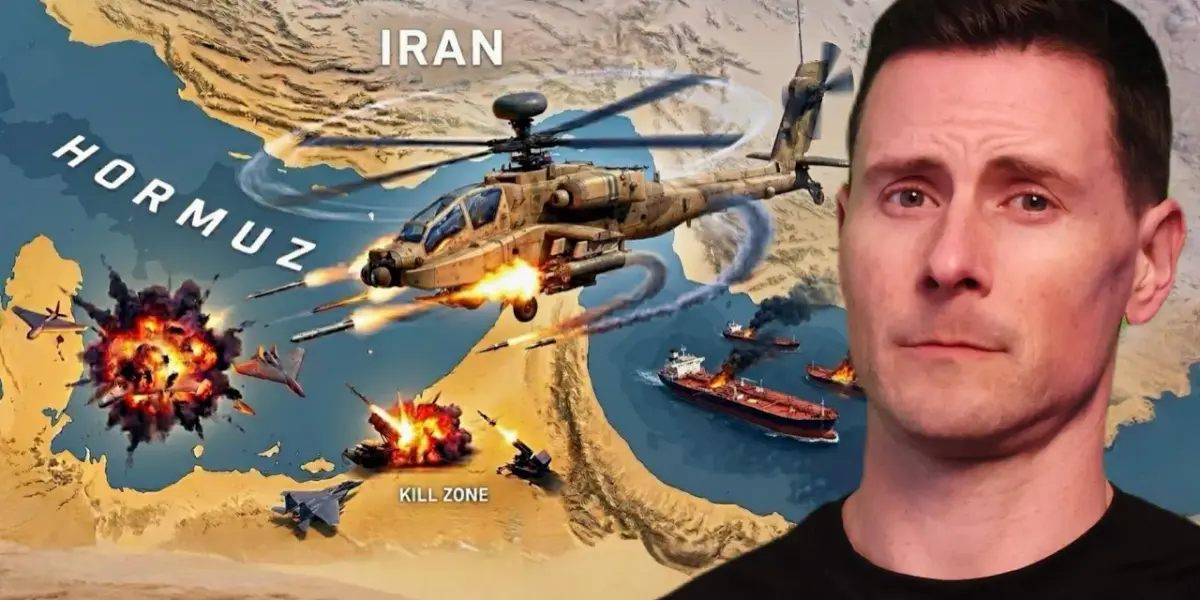
On March 21st, 2026, the AH-64 Apache attack helicopter has become a decisive force on Iran’s southern front. This marks day 22 of Operation Epic Fury. The Apaches, operating alongside partner nations like the United Arab Emirates and supported by A-10 Warthogs, are aggressively patrolling the Persian Gulf coast and the vital Straits of Hormuz. This coordinated effort aims to counter Iranian threats to global shipping and energy infrastructure.
Apache Helicopters Engage Iranian Drones
The Apache helicopters are employing Hellfire missiles and their M230 30mm chain guns to destroy Iranian one-way attack drones, specifically the Shawhead variants. These drones have been used by Iran to target energy facilities in the UAE and Qatar, and even residential areas. The 30mm cannon on the Apache is highly effective against these drones, with a single round capable of destroying them. The cost-effectiveness is notable, with a low-cost drone being neutralized by a relatively inexpensive bullet.
The AH-64 Apache is uniquely built for this mission. Its 30mm gun can destroy these drones with a single round. This is the economy of warfare at its finest.
Strategic Context: Preventing Nuclear Proliferation
Beyond the immediate battlefield, the operation is framed within a larger national security strategy. Reports indicate that while U.S. strikes have hindered Iran’s enrichment of uranium to 60%, Iran still holds a significant stockpile of weapons-grade material. This material could potentially be used to develop multiple nuclear weapons. The increasing range of Iran’s ballistic missiles, including a recent launch towards Diego Garcia, adds urgency to preventing Iran from acquiring nuclear capability. The primary goal is to stop Iran from possessing nuclear missiles that could reach the United States, thereby preventing a potential nuclear conflict and catastrophic loss of life.
Iran’s Rhetoric and Internal Situation
Despite facing significant military pressure, Iranian leadership continues to issue defiant rhetoric. Reports suggest that much of Iran’s upper command has been eliminated, leaving deputy commanders to voice threats of fighting to the end. There are also indications that the Iranian regime is aware of potential internal dissent. Following a brutal crackdown that reportedly killed 35,000 people during earlier protests, civilians have been warned to remain indoors. This suggests a strategy to suppress internal uprisings while focusing on external defense and deterrence.
Broader Geopolitical Implications
The actions in the Straits of Hormuz have global economic implications, as the waterway is critical for world trade. Concerns have also been raised about the environmental impact of the conflict, but proponents argue that inaction and the potential for nuclear proliferation pose a far greater threat. Iran’s foreign minister has extended threats towards the United Kingdom, warning against the use of British bases for aggression. This indicates Iran’s intent to retaliate against any perceived involvement in actions against it, highlighting the widening scope of the conflict.
What This Means on the Ground
The deployment of AH-64 Apaches and A-10 Warthogs, alongside a contingent of 2,500 Marines and the USS Boxer, signifies a multi-faceted approach to securing the region. The focus is on freedom of navigation and neutralizing asymmetric threats, such as drone swarms and fast attack boats. The Apaches are conducting persistent armed reconnaissance and rapid interdiction missions. This strategy aims to wear down Iran’s ability to threaten shipping lanes and achieve air superiority over key areas, including the southern flank. The operation is expected to continue for weeks, possibly months, to fully dismantle Iran’s capacity to threaten the Straits of Hormuz.
Technological Superiority in Action
The Apache helicopter is described as the aerial equivalent of a tank, bristling with advanced weaponry. Its arsenal includes Hellfire missiles for long-range precision strikes and the M230 30mm chain gun for close-quarters engagements. It can also deploy rockets designed to incapacitate drones through kinetic impact, minimizing the risk of unexploded ordnance. The helicopter features an armored cockpit and multiple redundancies, allowing it to operate at low altitudes and evade threats. The A-10 Warthog, similarly, is a formidable ground-attack aircraft known for its durability and powerful GAU-8 Avenger cannon.
Historical Parallels
The current situation echoes historical conflicts where control of vital waterways was paramount. The strategic importance of the Straits of Hormuz, a narrow chokepoint for global oil transport, has been a recurring theme in geopolitical tensions. The use of asymmetric tactics by Iran, such as drone swarms and small boat attacks, reflects strategies employed by various non-state actors and smaller military forces seeking to counter technologically superior adversaries. The effectiveness of dedicated attack helicopters and ground-attack aircraft in such scenarios highlights the enduring relevance of specialized platforms in modern warfare.
The Road Ahead
While the Apache and A-10 operations are achieving success in degrading Iran’s capabilities, the conflict is not expected to end quickly. The strategy involves a sustained effort to dismantle Iran’s ability to threaten the Straits of Hormuz. This long-term approach aims to achieve stabilization in the region by systematically diminishing Iran’s military options. The ongoing operations represent a significant commitment to ensuring the safety of shipping lanes and projecting power in a critical global theater.
Source: AH-64 Apache Attack Helicopters Just Did Something HUGE To Iran (YouTube)

Related Articles


Israel Escalates Iran Strikes, Warns of Wider War
Israel has launched significant strikes inside Iran following continued missile fire, warning of further escalation. The conflict risks wider regional instability and economic disruption, especially concerning the Strait of Hormuz.
US Troops Wounded in Saudi Base Attack by Iran
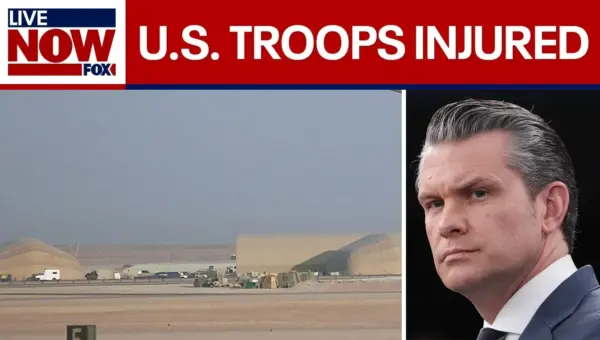
An Iranian missile attack on Prince Sultan Air Base in Saudi Arabia wounded multiple U.S. service members and damaged aircraft. The incident highlights the ongoing risks in the Middle East and the limitations of air defense systems. Analysts discuss the strategic implications, economic pressures, and the isolation of Iran amidst the conflict.


Trump Boasts Military Might, Slams Iran at Investment Summit
Former President Donald Trump spoke at the FII Priority Summit, detailing his administration's assertive stance against Iran and emphasizing the strength of the U.S. military. He claimed credit for dismantling Iran's military capabilities and preventing its nuclear ambitions. Trump also criticized NATO while praising Middle Eastern allies and touched on domestic issues like border security.