Android Outshines iOS in Key Usability Areas
Android is outperforming iOS in crucial areas like notification management and overall usability. Its intuitive design and smarter alerts offer a less distracting phone experience. While Apple focuses on AI, Android's practical advantages currently make it the superior choice for many users.

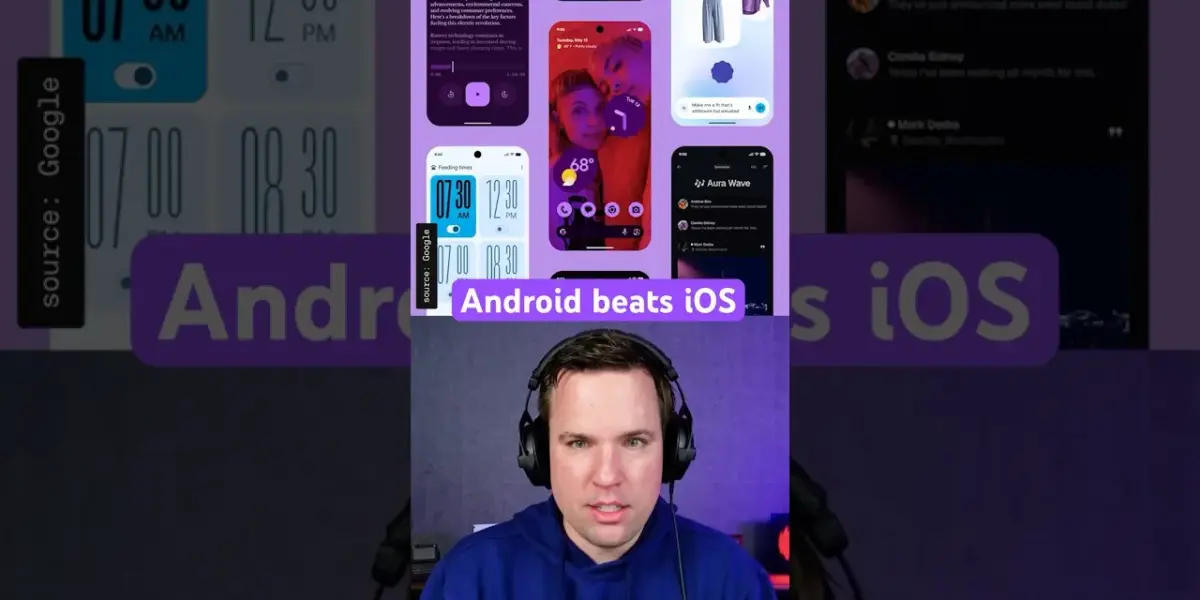
Android’s Edge: Why It Tops iOS for Daily Use
In the ongoing battle between the two mobile giants, Android is pulling ahead of iOS, especially when it comes to the core experience of using your phone every day. It’s not even a close race, according to recent observations. The way an operating system handles notifications and simple daily tasks makes a huge difference. Android is simply doing a better job here.
Think about how often you check your phone. A big part of that is dealing with alerts and messages. Android excels at managing what pops up on your screen. It’s smart enough to know what’s truly important and what can wait. This smart sorting helps you quickly see what needs your attention. It also makes it much easier to control which apps can send you notifications in the first place. iOS, on the other hand, makes managing these alerts a real chore.
It’s not just about notifications, either. Even small things like autocorrect feel more polished on Android. The design of the user interface also makes more sense. Swiping down from the top brings down the notification shade, while swiping up reveals your apps. This is a much more intuitive system than the multiple swipe gestures iOS requires from different parts of the screen.
Beyond Aesthetics: Practical Advantages
While iOS might win on looks with its consistent design, that’s not what matters most for everyday usability. Android offers practical advantages that make your phone easier and less distracting to use. The result? You actually look at your phone less often. This might sound strange, but it means the system is less intrusive. It bothers you less, which is a significant win for user experience.
Consider the simple act of trying to get work done without constant interruptions. The buzzing iPhone on the desk is a perfect example. It constantly signals that something is happening, even when nothing important requires immediate attention. Android’s notification system is designed to cut through this noise. It helps you focus by filtering out the less critical alerts, allowing important ones to stand out.
A Look at AI and Future Features
Apple seems to be aware of its notification problem. Rumors suggest they are planning to use AI to fix it. This includes features like AI-powered focus modes that are supposed to figure out what you need. However, current attempts at AI summaries and features like ‘Apple Intelligence’ are not impressive. They seem to be falling short of expectations.
In fact, the current AI offerings are described as simply ‘bad.’ Given this, the preference is clear: a flood of notifications that you can manage yourself is better than trusting unreliable AI. Missing an important alert because an AI decided it wasn’t worth showing is a bigger risk than having too many notifications to sort through. Until AI proves itself, the more direct control offered by Android is the safer bet.
Who Should Care?
If you value a phone that works efficiently without constant distractions, Android is likely the better choice. Users who are tired of notification overload and find iOS clunky in this regard will appreciate Android’s approach. Anyone looking for a more streamlined and less intrusive mobile experience should seriously consider switching.
For those who are skeptical of new AI features and prefer proven usability over unproven technology, Android’s current strengths are compelling. It offers a reliable and user-friendly experience right out of the box. This focus on practical, everyday improvements makes Android a strong contender for the best mobile operating system.
Specs & Key Features
- Advanced notification management and categorization
- Improved out-of-the-box usability
- More intuitive gesture controls (swipe down for notifications, swipe up for apps)
- Superior autocorrect functionality
- Reduced phone checking frequency due to less intrusive alerts
- User control over notification settings
Source: Android beats iOS #Vergecast (YouTube)

Related Articles


Samsung’s TriFold: A Rare Gem, Hard to Get
Samsung's elusive Galaxy Z TriFold, a phone with two hinges that unfolds into a tablet, proved incredibly hard to obtain. After a difficult purchase and software modifications, it offers a unique glimpse into foldable tech, but remains a niche product for enthusiasts.

Why I Bought An iPhone Again After Trying Everything
After a months-long exploration of various smartphones, including foldables and flip phones, senior editor David Pierce found himself returning to the familiar embrace of an iPhone. He discusses the significant challenges of switching phones, the software and hardware flaws in newer form factors, and the compelling AI advancements in Android, ultimately explaining why the iPhone's ecosystem won out.

Steam Deck’s 2026 Verdict: Still Worth Your Money?
In 2026, the Valve Steam Deck faces a critical crossroads. While its SteamOS remains a top-tier handheld experience, aging hardware, availability issues, and growing anti-cheat incompatibilities are casting a shadow over its future. Is it still worth buying?