Android Apps Lag Behind iOS, Developers Reveal
Many apps available on both Android and iOS are consistently better on Apple's devices, according to developers. While Android offers unique system-level permissions, the financial incentives for app creation heavily favor iOS, leading to a gap in quality and availability.

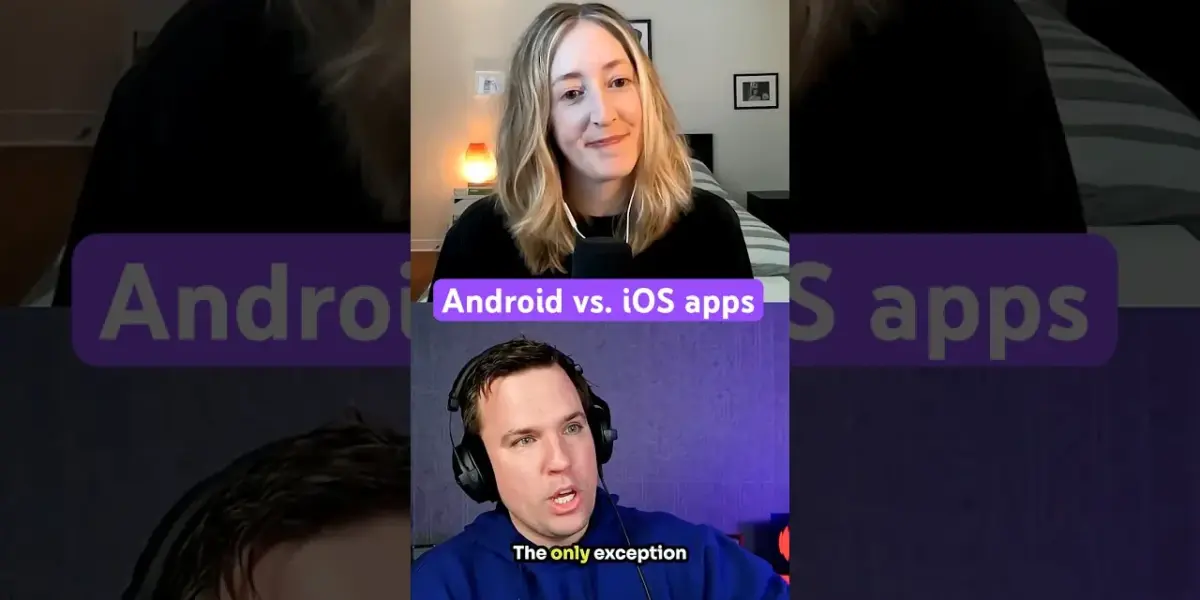
Android Apps Often Trail iOS in Quality, Developers Say
When it comes to mobile apps, a stark difference often emerges between the Android and iOS platforms. Many apps available on both systems are consistently better on Apple’s devices. This observation comes from firsthand experience and insights from app developers themselves.
While Android offers unique capabilities, such as advanced system permissions that allow for powerful apps like Tasker or smartwatch apps like the Pebble app to function with greater depth, these are often exceptions. When comparing apps that exist on both platforms side-by-side, the iOS version usually comes out on top. This is true for the vast majority of one-to-one comparisons.
Furthermore, a significant number of popular and useful apps are simply missing from the Android ecosystem. Some developers choose not to create an Android version at all, while others release web apps or incomplete, poorly made applications for Android users. These apps sometimes feel like they were quickly put together without much care.
This app gap isn’t entirely surprising when you consider the business side of app development. Developers often point out that while Android has a large user base, the revenue generated from the Google Play Store is much lower compared to Apple’s App Store. Simply put, developers make more money on iOS.
This financial reality heavily influences development priorities. It means that many creators focus their efforts on building the best possible experience for iOS users. The result is that the most innovative and polished applications often debut on iOS first, if they appear on Android at all.
Why the Difference Matters
For everyday users, this disparity can mean a less polished or less feature-rich experience on Android. If you rely on specific apps for productivity, entertainment, or social networking, you might find that the best versions are exclusive to iOS. This can be frustrating if you’re invested in the Android platform but want access to the most advanced or well-designed applications.
The situation highlights a core tension in the mobile app market. Android’s open nature allows for more system-level control, which is great for power users and certain niche applications. However, the economic incentives lean heavily towards iOS, shaping where developer talent and resources are directed.
Who Should Pay Attention?
Tech enthusiasts who follow mobile trends will find this information crucial. It helps explain why certain apps feel more polished on one platform than another. Consumers choosing between an Android phone and an iPhone might weigh this app quality difference in their decision.
App developers themselves are acutely aware of this dynamic. Understanding where the revenue lies is key to making smart business decisions about platform support and resource allocation. It suggests that building a successful app business often requires a strong presence on iOS.
Looking Ahead
While Android continues to grow and innovate in many areas, the app quality and availability gap remains a significant point of discussion. The financial incentives for developers suggest this trend may continue, though Google is always working to improve the Play Store’s economic appeal.
Specs & Key Features (General Comparison)
- iOS Apps: Generally perceived as more polished, higher quality, and with a wider availability of premium applications. Developers report higher revenue potential.
- Android Apps: Offers unique capabilities due to greater system permissions (e.g., Tasker, some smartwatch apps). However, many apps are less polished, and some popular apps are missing entirely. Revenue potential from the Play Store is typically lower.
- Platform Differences: iOS offers a more controlled environment, leading to greater consistency in app performance. Android’s openness allows for deeper system integration but can lead to fragmentation and varying app experiences.
Source: Android vs. iOS apps #Vergecast (YouTube)

Related Articles

Google’s AI Tool Designs Apps, Threatens Design Software
Google's updated Stitch AI tool can now generate interactive app designs and prototypes from simple text or voice commands. This advancement threatens traditional design software like Figma and could change how digital products are built.


Sora’s Future Uncertain Amidst AI Video Strife
OpenAI's highly anticipated Sora text-to-video model may be facing internal delays, casting doubt on its public release. This comes as competitors rapidly advance their own AI video generation technologies, intensifying the race for AI supremacy in content creation.

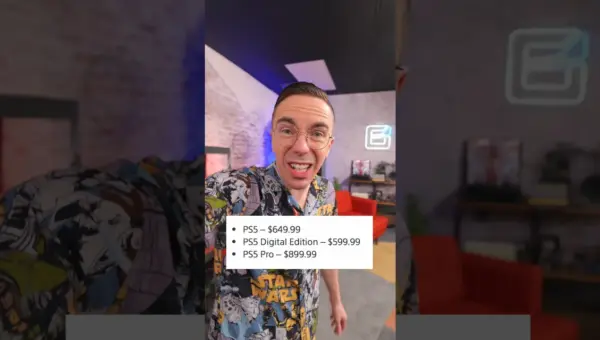
PS5 Price Jumps $100, Digital Up $200
Sony has significantly increased the prices of its PlayStation 5 consoles, with the standard models now costing $100 more and the anticipated PS5 Pro hitting a steep $900. This comes as Sony reports record profits, raising questions for consumers about the necessity of these price hikes.