Andrew Mountbatten-Windsor Arrested on Suspicion of Misconduct in Public Office
Andrew Mountbatten-Windsor was arrested at Sandringham estate on his 66th birthday on suspicion of misconduct in public office, relating to emails allegedly sent during his time as trade envoy. The unprecedented arrest has plunged the British monarchy into its gravest crisis since Princess Diana's death, with King Charles promising full cooperation with the investigation.

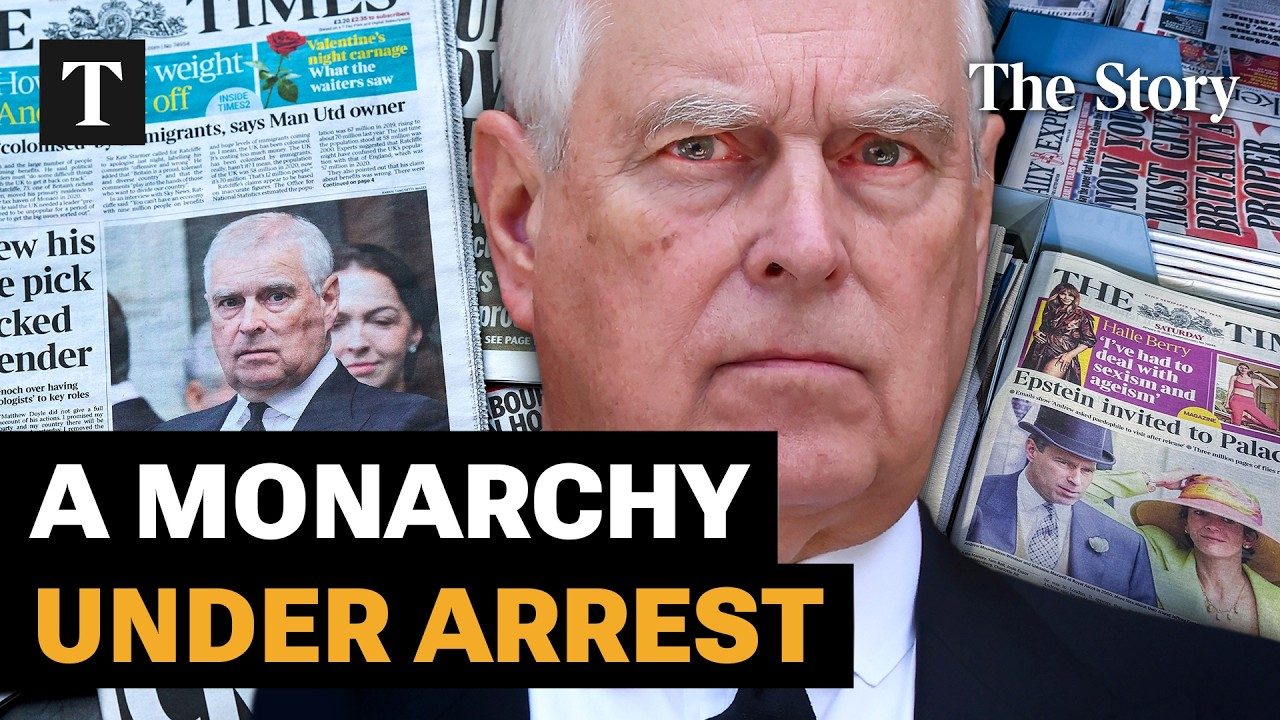
Former Prince Andrew Arrested at Sandringham Estate
In an unprecedented development that has sent shockwaves through the British monarchy, Andrew Mountbatten-Windsor was arrested at his Sandringham cottage on Thursday morning on suspicion of misconduct in public office. The arrest, which occurred on his 66th birthday, represents the most serious crisis to hit the royal family since the death of Princess Diana.
At 8:00 AM, a convoy of unmarked police cars arrived at the Norfolk estate, targeting the cottage where Andrew has been residing since being stripped of his royal titles. Neither he nor King Charles III were aware of the impending arrest, according to sources close to the investigation.
Understanding Misconduct in Public Office
The charge of misconduct in public office is a centuries-old common law offense that carries serious implications. Dr. Tom Frost, a senior lecturer at Loughborough University who has written extensively on this area of law, explains that the offense deals with situations where “a public official willfully neglects to perform their duty or willfully commits misconduct to such a degree as to amount to an abuse of the public’s trust without lawful excuse.”
Despite its serious nature – carrying a maximum sentence of life imprisonment – the offense is notoriously difficult to prosecute successfully, particularly against senior officials. “The problem is that misconduct alone is not enough,” Frost notes. “It has to be misconduct that’s so bad to amount to an abuse of the public’s trust. That isn’t defined – it’s up to a jury.”
Remarkably, 98% of known convictions under this law have been against junior officials, with 92% of convictions since 2014 involving police or prison staff. High-profile prosecutions of journalists and politicians have often failed, with courts setting a very high threshold for conviction.
The Investigation Details
The arrest relates to emails Andrew allegedly sent during his tenure as a trade envoy, particularly communications with Jeffrey Epstein and his banker friend Jonathan Rowland. These emails allegedly involved passing on confidential government reports, which would constitute a serious breach of his official duties.
Police have conducted searches at both his current Sandringham residence and his former home at Royal Lodge in Windsor. The investigation appears to have been catalyzed by the latest batch of documentation from the Epstein files released in the United States.
Andrew’s Fall from Grace
Valentine Low, former royal correspondent for The Times, describes Andrew’s trajectory from favored royal to pariah as “completely shocking and unimaginable.” Once regarded as a war hero who served with distinction as a helicopter pilot in the Falklands War, Andrew’s reputation has been steadily eroding for years.
His role as trade envoy, which began as an attempt to find him meaningful work within the royal system, was always controversial. While he achieved some successes, particularly in the Middle East where royal connections carried weight, his arrogance and poor judgment often undermined his effectiveness.
“Someone once told me that he’s too thick and too arrogant to be of much use to anyone,” Low observes bluntly. Andrew’s tendency to “go rogue” was exemplified by a 2002 incident in Bahrain where he advised the king to lease rather than purchase British Hawk aircraft, directly contradicting his brief to facilitate the sale.
The King’s Response
King Charles III’s response to his brother’s arrest has been notably formal and distant. In his official statement, the King declared: “I have learned with the deepest concern the news about Andrew Mountbatten Windsor and suspicion of misconduct in public office. Let me state clearly, the law must take its course.”
The statement’s impersonal tone – referring to Andrew by his full name rather than acknowledging their familial relationship – signals the monarchy’s attempt to distance itself from the scandal while promising full cooperation with authorities.
Unprecedented Legal Territory
This arrest represents uncharted legal territory for the modern British monarchy. As Dr. Frost explains, “We are dealing with an unprecedented situation and to have the king as head of state state that he would be willing to cooperate with the police investigation. We haven’t had a monarch interviewed by police potentially or give evidence in a criminal investigation.”
The constitutional implications are staggering. If the case proceeds to trial, it would be “Andrew Mountbatten-Windsor versus the Crown” – with the Crown represented in the name of his own brother, the King. Only the monarch himself enjoys immunity from prosecution; all other royals are subject to the same laws as ordinary citizens.
The Broader Context
Andrew’s arrest comes after months of escalating pressure. In October, he released a statement renouncing his titles, but this failed to stem public criticism. Two weeks later, King Charles stripped him of his Duke of York title and forced him to leave Royal Lodge, the “ludicrously large mansion” where he had been living.
The investigation into Andrew is separate from but parallel to ongoing inquiries involving other high-profile figures connected to the Epstein case, including Peter Mandelson. Both cases highlight the far-reaching consequences of associations with the disgraced financier.
Challenges Ahead for the Monarchy
The arrest plunges the monarchy into its deepest crisis in decades, with potential ramifications that could reshape public perception of the institution. Valentine Low suggests that while the monarchy may survive this crisis in the long term, the immediate damage is severe.
“My gut instinct is that in the long term, 10 years down the track, even 20, I think the royal family will survive this because it’ll be seen to be an Andrew problem rather than a monarchy problem,” Low observes. “But the problems for the royal family are not scandal – they’re apathy. What damages the royal family is people not being interested.”
Legal Reform on the Horizon
Ironically, the offense Andrew is accused of committing may soon be replaced. The Law Commission recommended in 2020 that misconduct in public office be replaced with more clearly defined offenses. The current Labour government has introduced legislation known as the “Hillsborough law” to implement these changes, though any new law would not apply retroactively to Andrew’s case.
What Happens Next
Police can hold Andrew for 24 hours before deciding whether to charge him. Given the complexity of the case and the need to examine financial information and communications, the investigation could take weeks or months to complete. The Crown Prosecution Service will ultimately decide whether there is sufficient evidence to proceed with charges.
If charged and the case proceeds to trial, Andrew faces an impossible choice between pleading guilty – admitting wrongdoing and facing potential imprisonment – or fighting the charges in a public trial that could expose further damaging information about his conduct and associations.
As this unprecedented situation continues to unfold, the British monarchy faces its greatest test of resilience and public trust in modern times. The outcome will not only determine Andrew’s fate but could fundamentally alter the relationship between the royal family and the British people.
Source: Andrew Mountbatten-Windsor Arrested: Misconduct in Public Office Explained (YouTube)

Related Articles

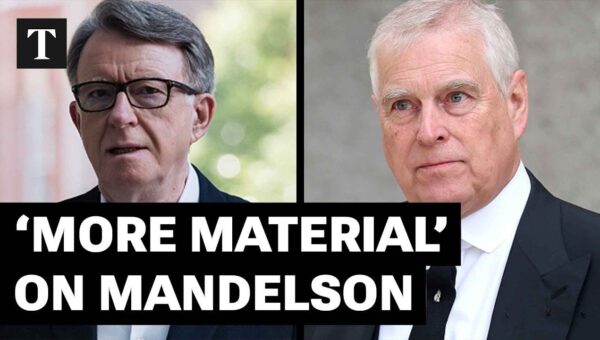
Former Envoy Mandelson Arrested on Suspicion of Misconduct
Former UK Ambassador to Washington, Peter Mandelson, has been arrested on suspicion of misconduct in public office and released on bail. The arrest followed a police search, suggesting investigators had gathered significant material. This development marks a dramatic fall from grace for the once-powerful diplomat.
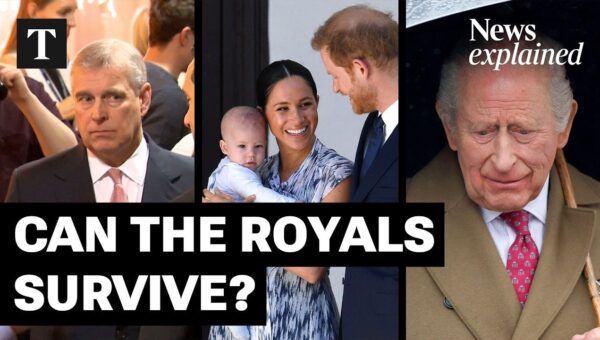
Royal Family Faces Crisis Amid New Allegations and Scandals
Prince Andrew has been arrested on suspicion of misconduct in public office related to confidential information shared with Jeffrey Epstein. This latest scandal adds to a series of controversies, including Prince Harry and Meghan Markle's departure and allegations of racism, testing the monarchy's resilience despite continued public support.
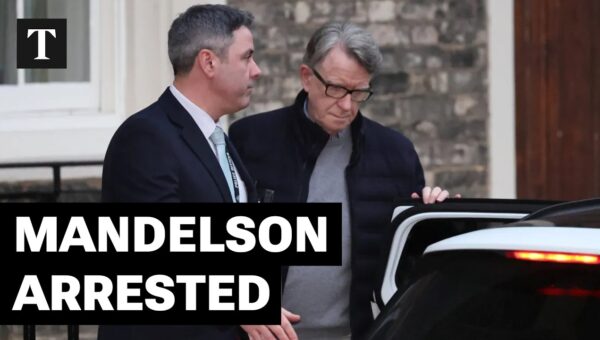
Peter Mandelson Arrested on Suspicion of Misconduct in Public Office Amidst Sensitive Information Leak Probe
Former minister Peter Mandelson has been arrested on suspicion of misconduct in public office as part of an investigation into alleged leaks of sensitive government information to Jeffrey Epstein. The arrest follows the execution of search warrants and comes amid the impending release of the "Mandelson files."