Ancient Rome’s Power Clash Echoes in Modern Hope
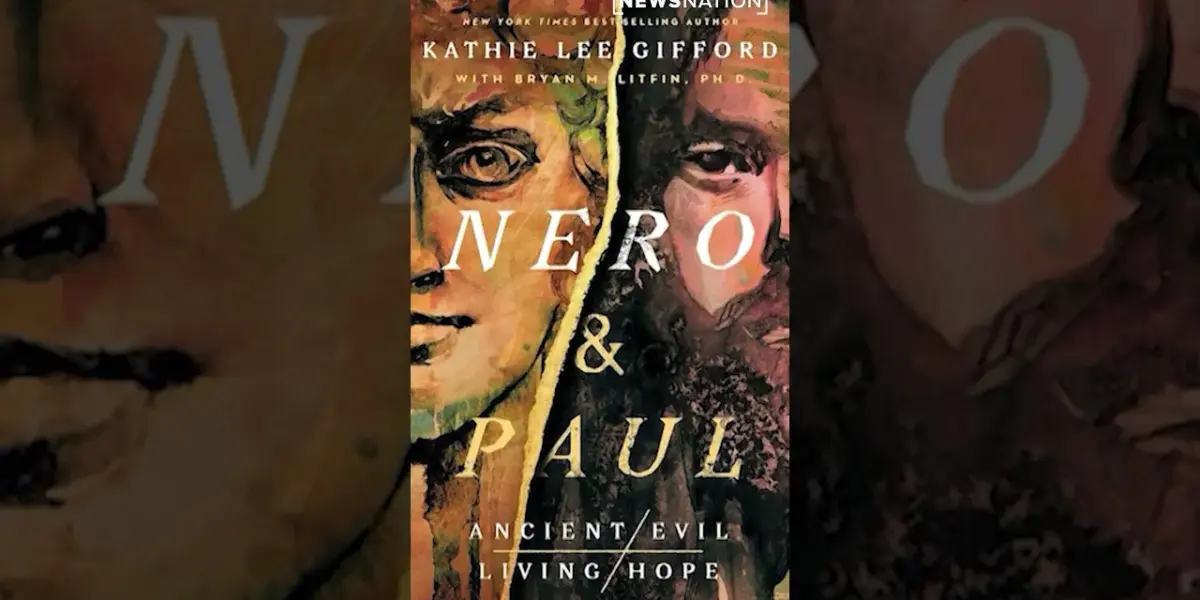
Kathie Lee Gifford's new book, "Nero and Paul," contrasts the tyrannical Emperor Nero with the Apostle Paul. It explores how Paul's message of grace offered hope and ultimately influenced the Roman world. Gifford believes this ancient story still resonates with people seeking meaning today.

Ancient Rome’s Power Clash Echoes in Modern Hope
Kathie Lee Gifford, a familiar face from decades of morning television, has turned her attention to a dramatic historical contrast. Her new book, Nero and Paul: How the Gospel of Grace Defeated the Ruler of Rome, explores the lives of two very different men. It pits Emperor Nero, known for his cruelty and self-obsession, against Paul the Apostle, a key figure in spreading early Christianity. This pairing offers a message of hope that Gifford believes still speaks to people today.
Contrasting Leaders, Enduring Themes
The book highlights the stark differences between Nero and Paul. Gifford describes Nero as someone who fell into “haughty murderous madness of self-worship.” This paints a picture of a leader consumed by power and ego, leading to destruction. In contrast, Paul is presented as someone who found strength and purpose through humble devotion. His actions, guided by what Gifford calls the “true gospel,” led to the spread of a message that offered eternal life.
This contrast is not just a historical observation. Gifford suggests that the core themes of self-worship versus humble service, and the destructive nature of unchecked power versus the life-giving message of faith, are still relevant. She sees these themes resonating with what she calls “hungry hearts” in the modern world, looking for meaning and hope.
Historical Context and Modern Resonance
The Roman Empire, especially during Nero’s reign (54-68 AD), was a center of immense power and political intrigue. Nero is infamous for his perceived extravagance, persecution of Christians, and the Great Fire of Rome, for which he blamed the early Christian community. Paul, on the other hand, was a prolific missionary and writer whose letters form a significant part of the New Testament. His work was instrumental in establishing and shaping Christian communities across the Roman world.
The book’s focus on how Paul’s message “defeated” Nero’s rule is a powerful narrative. It suggests that spiritual influence and enduring ideas can overcome even the most oppressive earthly powers. This historical dynamic is being reframed by Gifford as a source of hope and guidance for contemporary challenges. The idea is that even when faced with seemingly insurmountable problems or corrupt leadership, a message of grace and humility can ultimately prevail and offer a path forward.
Global Impact: A Message of Hope
While the book focuses on ancient history, its underlying message has a broad appeal. In a world often characterized by division, conflict, and uncertainty, the idea that hope and grace can triumph is a compelling one. Gifford’s work taps into a universal human desire for meaning and redemption. By drawing parallels between ancient struggles and modern anxieties, the book aims to provide comfort and inspiration to a wide audience. The narrative suggests that focusing on positive values, like humility and faith, can lead to personal fulfillment and contribute to a more hopeful outlook, regardless of external circumstances.
Why This Reshapes the World Order (Symbolically)
The book doesn’t propose a geopolitical shift in the traditional sense. Instead, it offers a perspective that challenges the dominance of power-based thinking. It suggests that enduring values and spiritual movements can have a profound and lasting impact, sometimes more so than political or military might. This is a reminder that the “world order” is not just shaped by governments and economies, but also by ideas and beliefs that spread and take root in people’s hearts. The contrast between Nero and Paul serves as a timeless illustration of this enduring truth.
Future Scenarios
The book’s impact will likely be seen in how it encourages readers to reflect on leadership and personal values. It could inspire conversations about the nature of power, the importance of empathy, and the search for meaning. For those seeking spiritual or personal growth, the narrative offers a historical example of faith overcoming adversity. Its success could also pave the way for more historical explorations that highlight the impact of spiritual and ethical ideas on the course of human events.
Source: Kathie Lee Gifford’s new book offers hope for today’s hungry hearts: Batya (YouTube)

Related Articles


Faith Resurfaces: America Sees Religious Boom
A notable religious revival is occurring in the United States, with data showing a stabilization and rise in Christian identification, particularly among young people. This trend, observed across various age groups and communities, suggests a growing positive view of religion's influence in American life.


Easter’s Core Mystery: Hallucinations vs. Resurrection
The core mystery of Easter questions whether Jesus' post-mortem appearances were physical resurrections or hallucinations driven by grief. Skeptics point to disciples' initial failure to recognize Jesus, while believers highlight the narrative's emphasis on bodily resurrection and the story of doubting Thomas.


Ancient Texts Confirm Jesus’ Existence, Debate Resurrection
New analysis of historical and archaeological evidence confirms Jesus was a real person who lived in the first century. However, the debate continues over the historical validity of his resurrection, with scholars divided.