Amidst Battlefield Advances, Russian Army Racked by Corruption and Fratricide, New Reports Suggest

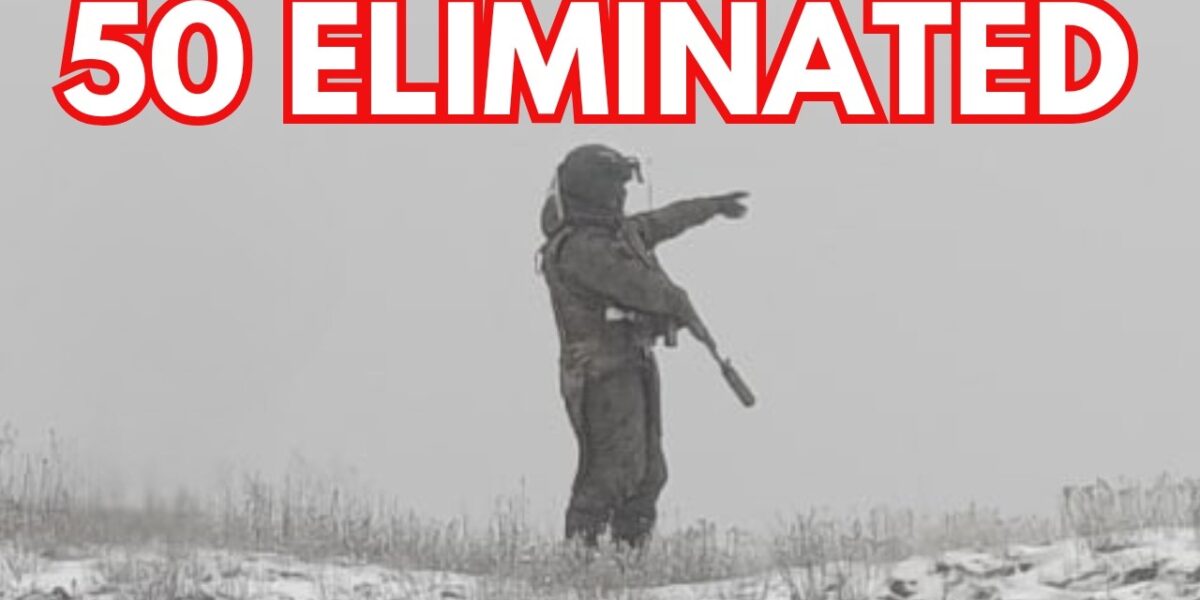
Deep-Seated Corruption: Russian Commanders Accused of ‘Zeroing Out’ Their Own Men
Explosive testimonies from within the Russian armed forces paint a grim picture of systemic corruption and brutality, where commanders are allegedly executing their own soldiers for money. These shocking revelations emerge even as Russian forces report advances on key fronts in Ukraine, highlighting a stark contrast between external military progress and profound internal rot.
A Russian junior sergeant, Dennis Kalishnikov of the 1435th motorized rifle regiment, reportedly told Russian mil-blogger Romanov that "more than half of our detachment, about 50 people, were zeroed out by the commanders." The term "zeroed out" is understood to mean killed. Kalishnikov detailed a harrowing system of extortion where soldiers are forced to pay commanders between 1 and 3 million rubles (approximately $13,000 to $39,000) to avoid being sent to the "zero line" or line of contact. "As soon as someone’s money runs out, they’re sent forward or killed. In front of me personally, several people were killed," he asserted.
Kalishnikov himself claimed he was ordered to pay 3 million rubles. He used a trip to Rostov City, a significant Russian military hub, to retrieve the money as an opportunity to escape and subsequently share his story.
Echoes of Brutality: More Accounts of Internal Violence
This account is not isolated. Around the same time, another captured Russian soldier, identified as Andre with the callsign "Wolf," surrendered to Ukrainian forces and shared a similar narrative. His testimony, published by Ukraine’s "I Want to Live" project, stated, "If you open your mouth, you will either disappear, they will beat you to death, or they will zero you out. You won’t be able to do anything."
Andre claimed he was forced into the war against his will, facing a murder charge, and was even given a weapon with incompatible ammunition on his first mission. Half of his group was reportedly killed by their own drones as they advanced, leaving surrender as his only chance of survival. These accounts underscore a disturbing pattern of internal violence and disregard for soldiers’ lives within certain Russian units.
Systemic Corruption and Recruitment Challenges
Military analysts suggest that such widespread criminal conduct within the Russian ranks is a direct consequence of ongoing recruitment challenges. With the war dragging on, Russia has been compelled to recruit from increasingly lower socioeconomic strata, offering salaries and bonuses to entice individuals who might otherwise face limited opportunities. This shift in recruitment demographics, coupled with what appears to be a lack of effective policing within the military, creates an environment ripe for corruption and abuse.
The absence of strict oversight allows commanders to exploit their subordinates, turning military service into a predatory enterprise. The alleged extortion for avoiding combat, removal of weapons, and even the "zeroing out" of soldiers who cannot pay, points to a breakdown of discipline and ethics that could severely undermine troop morale and combat effectiveness.
Ukraine’s Strategic Response: Incentivizing Surrender
In stark contrast to the internal strife reported within Russian forces, Ukraine has actively implemented a strategy to encourage Russian soldiers to surrender. The "I Want to Live" project, a Ukrainian initiative, provides a hotline and clear instructions for Russian soldiers wishing to lay down their arms safely. This project is complemented by tactical innovations on the battlefield, including the use of drones to facilitate surrenders.
Ukrainian forces are reportedly incentivizing their own troops to capture Russian soldiers alive. "One dead Russian soldier does not change the calculus of the war. But one captured Russian is traded one to one for captured Ukrainian. That is a Ukrainian soldier coming back alive," explained a military observer. This pragmatic approach highlights the dual benefit of reducing enemy combatants while securing the return of Ukrainian prisoners of war.
Recent reports from the Sumy region illustrate this innovative tactic, where soldiers of the 158th Brigade captured five Russians using a drone. Initially, a drone with a loudspeaker persuaded two Russian infiltrators to surrender. These two then recorded an appeal to their comrades, urging them to follow suit, leading to the surrender of three more Russians. This method not only saves lives but also serves as powerful psychological warfare, broadcasting the message that surrender is a viable and safer alternative to fighting under abusive commanders.
Shifting Frontlines: Pokrovsk and Zaporizhzhia
Despite the internal issues, Russian forces have continued to press their offensive in several key areas. The Pokrovsk direction, one of the heaviest fighting sectors, has seen significant Russian gains. Reports indicate that Russian forces have now captured all of Minrad, a town that has been contested for some time.
The Ukrainian 25th Airborne Brigade, operating in the region, acknowledged the complex situation: "Despite the constant fire impact on logistical routes, units of the 25th separate airborne brigade… are ensuring the evacuation of wounded from forward positions. The situation in the defense of [Minrad] remains complex. The expansion of the danger zone and the constant activity of enemy drones on logistical routes significantly complicates the supply of ammunition… and the evacuation of wounded."
Logistical challenges are compounded by Russian tactics of monitoring and mining infiltration and exfiltration routes with anti-personnel and anti-vehicle mines dropped by drones or artillery. Ukrainian forces are forced to constantly seek alternative routes, a difficult task in an area with limited access points and intense drone surveillance.
Conflicting Reports from Zaporizhzhia
In the Zaporizhzhia direction, the situation remains characterized by a "fog of war," with conflicting reports from both sides. Ukrainian forces have reportedly launched significant counterattacks in the northeast and western areas of this front. However, Russian sources, such as mil-blogger Rybar, claim that Ukrainian attacks were largely ineffective and "completely crushed." Rybar stated that "the initiative in the Juliaole area remains with the Russian forces" and that "Ukrainian formation’s attempts to stabilize the front did not yield significant results."
Ukrainian spokesmen, conversely, refute Russian claims of capturing territories like Kersnney, asserting that these areas remain under their control. They reported carrying out "more than 20 search and strike counter-sabotage operations, destroying enemy infiltration groups and assault groups." The ambiguity surrounding territorial control, particularly in "gray zone" areas, makes it challenging to definitively assess the situation in Zaporizhzhia.
Stalled Peace Prospects: Russia’s Unchanged Strategic Goals
Amidst the ongoing fighting and internal turmoil, prospects for a peaceful resolution remain dim. European intelligence chiefs, speaking to Reuters on condition of anonymity, have indicated that Russia is not genuinely seeking a peace agreement but is instead pursuing its long-term strategic goals, which "have not changed."
These goals reportedly include the removal of Ukrainian President Volodymyr Zelenskyy and the establishment of Ukraine as a neutral buffer state to the West. Four intelligence chiefs suggested that Moscow is using any talks with the United States to push for sanctions relief and business deals, rather than an earnest end to hostilities. "Russia neither wants nor needs a quick peace, and its economy is not on the verge of collapse," one intelligence chief stated.
There is a concern among these officials that any concessions to Russia, such as Ukraine ceding territory, would merely be the "beginning of actual negotiation," leading to further demands. Russian President Vladimir Putin is believed to be convinced he is winning the war, and that continued fighting, even if it takes years, will secure him more leverage. This perspective suggests that Russia intends to achieve its objectives militarily, making any immediate peace talks largely performative from Moscow’s side.
Community Support for Ukraine’s Defenders
In a testament to ongoing international solidarity, a recent fundraiser for Ukraine’s 104th Territorial Defense Brigade’s new drone battalion successfully surpassed its initial goal. The campaign, aiming to equip the brigade with essential vehicles, raised over €102,000 against a target of €97,000 in just over two weeks. This initiative is part of a larger year-long campaign with a total goal of €430,000, underscoring the critical role of community-driven support in sustaining Ukraine’s defense efforts.
Source: Russian Commanders Are Taking Out Their Own Men (YouTube)

Related Articles


Trump Warns of More US Deaths in Escalating Conflict
Former President Donald Trump issued a somber warning on Truth Social, stating that further U.S. service member deaths are "likely" as geopolitical tensions escalate. He condemned Iran's former supreme leader, Ayatollah Ali Khamenei, and vowed retribution for fallen soldiers.


Air Travel Chaos Erupts as Gulf Conflict Shuts Skies
Tens of thousands of passengers are stranded as the conflict in the Persian Gulf forces widespread airspace closures, disrupting global air travel. A tourist in Israel described witnessing air strikes and the desperate search for escape routes amidst rapidly changing travel options.

Gulf States Caught in US-Iran Crossfire, Seek Stability
Gulf states are caught in the escalating US-Iran conflict, facing violations of sovereignty and national security threats. Leaders express a strong desire for stability and economic prosperity, contrasting with the unfolding scenes of regional instability.