America’s Global Role Falters: Is the ‘Good Guy’ Image Lost?
America's post-WWII role as a global leader is being questioned amidst concerns over its international image, stringent border policies, and domestic issues like healthcare and economic inequality. The discussion points to a need for systemic change rather than a return to a flawed past.

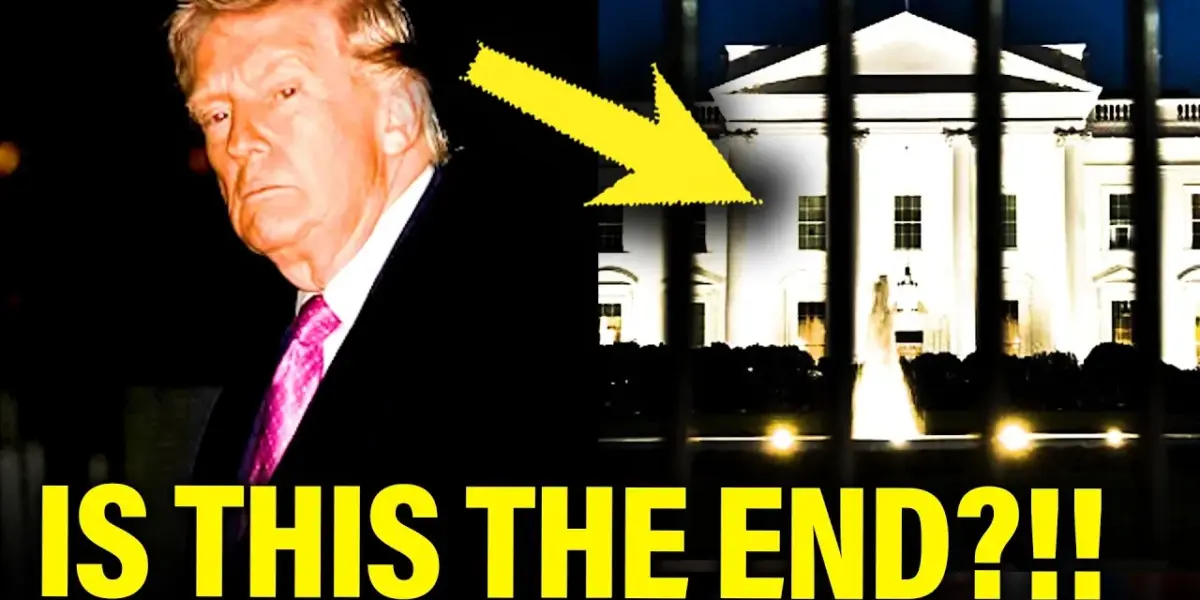
America’s Shifting Global Image: A Post-War Legacy in Question
For decades, the United States has been seen as a leader on the world stage. This role, widely acknowledged by global leaders and international bodies since World War II, was often described as a responsibility placed upon America’s shoulders. It wasn’t a position sought out, but rather one that emerged as the nation became a superpower. This perception painted America as a defender of freedom and liberty, benefiting people worldwide who cherish these values. These were once considered objective facts, guiding America’s actions and its international standing.
However, a growing sentiment suggests this image is fading. Some argue that America is no longer viewed as the benevolent ‘good guy.’ Instead, there’s a concern that much of the world sees the U.S. as part of a problematic international alignment. This viewpoint suggests that current leadership may be seen as collaborating with leaders of nations often viewed as hostile or oppressive. This stark contrast to the post-war ideal raises questions about America’s current identity and its place in the global community.
Concerns Over Border Policies and Personal Freedoms
A significant point of contention highlighted is the U.S. approach to border security and immigration. Reports indicate that individuals seeking to enter the United States are subjected to extensive personal data collection. This includes providing phone numbers from the past five years, email addresses from the last ten, IP addresses, and detailed family information. Advanced biometric data, such as facial images, fingerprints, and even DNA, may also be required. Professional data from recent years, including work emails and phone numbers, adds to the lengthy list of requirements.
This level of scrutiny has drawn sharp criticism. Many find it overwhelming and intrusive, questioning whether individuals would willingly submit such vast amounts of personal information. Comparisons have been made to the strict entry requirements of countries like North Korea or former East Berlin, suggesting that getting into the U.S. has become exceptionally difficult. This has led to a sense of embarrassment and a feeling that the U.S. is acting with excessive suspicion, potentially alienating those who might otherwise seek to visit or immigrate.
Domestic Challenges: Healthcare and Economic Disparities
Beyond international perceptions, significant domestic issues are also contributing to a sense of decline. For instance, changes to the Affordable Care Act (ACA) have reportedly led to higher premiums for many customers, with blame often directed at Republican policies. This situation creates financial strain for individuals struggling to afford health insurance, potentially leading to a sicker population. The complexity of navigating these healthcare options is a source of stress for many Americans.
Furthermore, there’s a widening gap between the wealthy and the working class. The transcript points to concerns about the shrinking middle class and the immense wealth accumulated by CEOs and hedge fund managers, often at the expense of employee compensation and benefits. This economic disparity is seen as a symptom of late-stage capitalism, where wealth is hoarded rather than shared. Policies that have historically supported the working class, such as those enacted under Franklin D. Roosevelt (FDR) and Lyndon B. Johnson (LBJ), are perceived as being dismantled, leading to increased hardship for ordinary citizens.
Foreign Aid Cuts and Global Impact
The U.S. has also faced international condemnation for significant cuts to foreign aid. Reports suggest that reducing funding for humanitarian aid programs could lead to millions of additional deaths worldwide. This decision has been criticized by humanitarian organizations globally. The administration’s rationale of targeting wasteful spending is contrasted with the potential for devastating consequences in vulnerable regions.
These aid cuts, overseen by individuals involved in streamlining federal workforces, are viewed as a failure that did not achieve its intended cost savings. Instead, they are seen as having a profoundly negative impact on global health and stability, further damaging America’s image as a benevolent global actor. The withdrawal of support is seen as creating a void that exacerbates suffering in countries reliant on this assistance.
Calls for Systemic Change and a New Beginning
The current state of affairs has led some to believe that the United States as it was known no longer exists and that there is no going back to a previous ‘normal.’ This perspective suggests that the system itself is deeply flawed, allowing for issues like a perceived corruption in the electoral college and the Supreme Court, and the influence of dark money in politics. The argument is that the normal system was not working effectively if it allowed for such problems to persist.
Instead of returning to the past, there is a call for fundamental change and rebuilding. This involves reimagining governance, potentially by reverting to principles similar to FDR’s New Deal, which emphasized social safety nets and worker protections. The idea is to create a system that prioritizes the well-being of citizens over unchecked capitalism and corporate interests. The hope is to transform America into a nation that is once again respected and admired internationally, and one that truly serves the needs of its own people.
Why This Matters
The discussion around America’s global role and domestic health is crucial for understanding the nation’s future trajectory. If the perception of America as a beacon of freedom and justice erodes, it impacts diplomatic relations, international cooperation, and global stability. Domestically, the concerns about healthcare, economic inequality, and the integrity of democratic institutions point to deep-seated issues that need addressing. The sentiment that the country is fundamentally broken suggests a need for significant reform rather than incremental adjustments. The call for a new beginning, inspired by past progressive movements and focused on citizen well-being, offers a potential path forward, but it requires a willingness to confront complex systemic problems and to rebuild trust both at home and abroad.
Looking Ahead
The current discourse suggests a critical juncture for the United States. The erosion of its global image and the internal struggles with economic and social policies present significant challenges. The future outlook depends on whether the nation can move beyond partisan divides to address these issues. A return to more equitable economic policies, a re-evaluation of global engagement, and a commitment to democratic principles could help restore faith in American leadership and institutions. However, without such changes, the current path could lead to further isolation and internal strife.
Source: Trump PUSHES U.S. to FATAL COLLAPSE?? (YouTube)

Related Articles

Middle East Conflict Fuels Oil Surge, Market Jitters
Markets showed little movement despite escalating Middle East tensions and the deployment of U.S. troops. Crude oil prices surged past $100 a barrel, driven by concerns over the Strait of Hormuz. The conflict has also intensified in Lebanon, causing a significant humanitarian crisis.
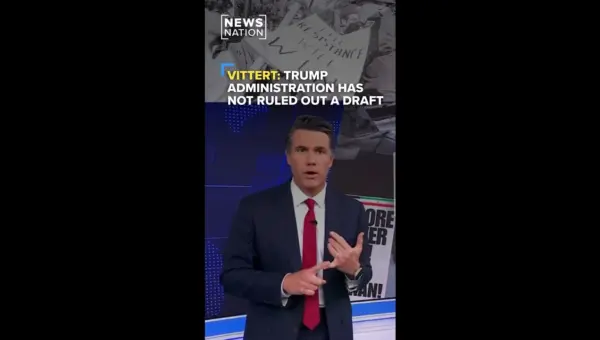
US Considers Draft Amid Rising Global Tensions
The U.S. administration has not ruled out reinstating the military draft, sparking widespread discussion and concern. This potential policy shift echoes historical periods of conscription and raises questions about national service and global engagement.

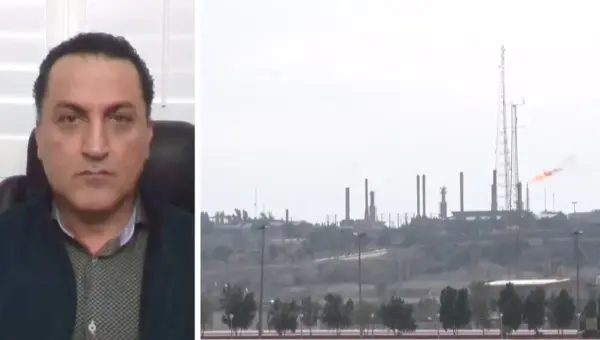
US-Iran Peace Deal Demands a New Iran
A potential US-Iran peace deal requires more than just an agreement; it demands a fundamental transformation within Iran. Analyst Babak Shakarabi explains the conflicting goals of the US and Israel, and the crucial role of the Iranian people in shaping any future outcome. The path forward is complex, with risks of widespread suffering and regional instability.