America’s Global Image Fractures: MAGA Tourist Faces Backlash Abroad
A viral TikTok highlights how a MAGA supporter's trip to Northern Ireland turned into a stark encounter with international political backlash. The incident raises questions about American accountability and the global perception of U.S. foreign policy.

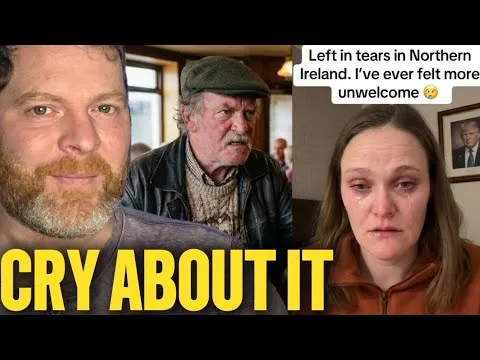
The Unwelcome Tourist: When Political Stances Follow You Overseas
A recent viral moment, originating from a TikTok user’s experience in a Northern Ireland bar, has ignited a global conversation about American identity, political accountability, and the shrinking space for unapologetic MAGA supporters on the world stage. The incident, where a self-identified MAGA supporter was immediately questioned about her political affiliation upon revealing her American nationality, has been framed by some as a harsh but necessary reality check for a segment of the American populace often perceived as detached from the global consequences of their nation’s actions.
The core of the viral video lies in the stark contrast between the tourist’s expectation of a pleasant vacation and the immediate, pointed inquiry she received. “Instantly went from, ‘Yes, I’m American,’ to, ‘Well, who’d you vote for?'” she recounts. Her stated desire to “get away from all of that” and avoid political discussions was met with the retort that “the internet remembers” and that one’s online presence, particularly pro-Trump posts, is discoverable. This anecdote serves as a microcosm of a broader sentiment being expressed by many observers: that American political choices, especially those associated with the MAGA movement, are not confined to domestic discourse but have tangible repercussions felt internationally.
Global Discontent: More Than Just a “Bad Person” Accusation
The video’s narrator argues that the tourist’s experience, while perhaps uncomfortable, is not an isolated incident of Americans being unfairly targeted for their political affiliations. Instead, it’s presented as a direct consequence of the United States’ current global standing and foreign policy. “The United States right now is going across the globe destabilizing everything, making life harder for everyone,” the narrator asserts, directly linking the decisions of the U.S. presidency to global economic instability and hardship. This perspective suggests that the questioning in the bar was not merely a personal affront but a reflection of widespread international frustration with American foreign policy and its impact.
The argument extends to the idea that many MAGA supporters fail to grasp the extent to which their political movement is viewed with disdain globally. “When they take their asses outside the United States and actually understand that they’re not like, they’re always confused,” the narrator states. The belief that one’s vote is a private, personal choice is challenged when that choice is seen to inflict “harm and pain on countries all over the world.” Nations with histories of oppression, like Ireland, are presented as particularly sensitive to perceived external interference and the political ideologies that may support it.
Historical Echoes and Present-Day Grievances
The narrative draws a parallel between Ireland’s historical oppression by a foreign power and the current global sentiment towards certain American political actions. The narrator implores MAGA supporters to “carry that same energy” they exhibit in the U.S. when traveling abroad, suggesting their political stances have real-world consequences that extend far beyond American borders. The video points to the humanitarian crisis in Cuba, the perceived threat of America to Canada, and the broader destabilization in the Middle East as examples of U.S. foreign policy failures that alienate international communities.
This historical context is crucial. For centuries, Ireland endured British rule, marked by political, economic, and cultural subjugation. The memory of this struggle informs a deep-seated wariness of external powers and their influence. When a visitor arrives, particularly one perceived to align with a political ideology that the narrator associates with aggressive, interventionist, or isolationist U.S. policies, the local population may feel a sense of solidarity with those who have historically suffered from such dynamics, or a direct resentment for the current negative impacts.
The Normalization of Pushback and the Shrinking American Passport
The central thesis advanced is that this kind of pushback needs to be normalized. The video argues that there must be “consequence for who you vote for,” especially when, as alleged, the administration’s actions have caused significant harm both domestically and internationally. The tourist’s experience is framed as a “small glimpse of reality” – a moment where the bubble of American exceptionalism and ignorance is momentarily pierced, revealing that the world exists outside of partisan American politics and that people elsewhere are deeply affected by U.S. actions.
The implications for American travelers are significant. The video posits that the American passport, once a symbol of global access, is becoming less of a “golden passport.” Increasing restrictions and a growing global perception of the U.S. as a “global pariah” could make international travel more challenging for Americans, particularly those who openly display or are perceived to support the ideologies that contribute to this negative image. The narrator suggests that as other economies strengthen and international tourism diversifies, the need to accommodate the “ugly American tourist” may diminish, leading to a more critical and perhaps unwelcoming reception.
Why This Matters
This incident and the commentary surrounding it highlight a critical disconnect between a segment of American society and the rest of the world. It underscores the notion that political choices have international ramifications, challenging the idea that domestic elections are solely a private affair. For Americans, it serves as a potent reminder that their nation’s actions and the political ideologies that drive them are observed and felt globally. For the international community, it represents a potential shift from passive observation to active, albeit sometimes minor, forms of protest or expression of discontent when confronted with symbols of ideologies they deem harmful.
Implications, Trends, and Future Outlook
The trend suggested is one of increasing scrutiny and potential isolation for Americans abroad, particularly those associated with polarizing political movements. As global interconnectedness continues, and as nations grapple with the consequences of international events, the personal politics of travelers may become more relevant. The narrative predicts that this phenomenon will intensify, especially as geopolitical tensions and economic instability persist. The future may see a more divided global landscape, where national and political identities play a more prominent role in how individuals are received internationally. The “American” identity, once broadly accepted, might become bifurcated, with certain political affiliations inviting more suspicion or outright rejection.
Ultimately, the video advocates for accountability, suggesting that embracing one’s political stance means accepting the consequences, both at home and abroad. The tourist’s viral moment is presented not as an act of unwarranted hostility, but as a necessary, if uncomfortable, consequence of a political movement perceived by many worldwide as detrimental to global stability and well-being. It’s a call for Americans to consider the global echo of their choices, and for the world to perhaps continue holding them accountable, one bar conversation at a time.
Source: MAGA Tourist Gets Brutal Reality Check in Ireland (And Plays the Victim) (YouTube)

Related Articles
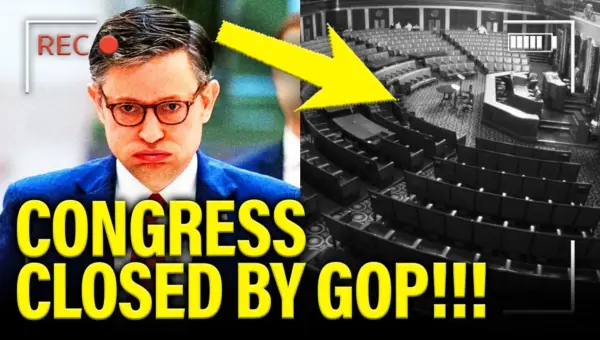
MAGA Retreat Exposes Deep Divide Amidst War and Economic Woes
While the nation faces war and economic turmoil, MAGA Republicans convened at Trump's Doral resort, sparking criticism over priorities. Speaker Johnson's rhetoric on war and peace, coupled with divisive statements, highlights a widening political chasm. A congressional candidate offers policy solutions amidst this backdrop.
Americans Shun Iran War as Oil Prices Skyrocket
Americans are showing unprecedented discontent with the escalating conflict in Iran, with no "rally around the flag" effect despite soaring oil prices. Geopolitical analysts express shock at the public's apathy, noting a lack of clear communication from the White House regarding the war's objectives and rationale.
Trump’s Iran War Fuels Global Chaos, Russia Rejoices
Donald Trump's actions in Iran are reportedly backfiring, triggering a global economic crisis and escalating geopolitical tensions. The analysis suggests a severe shock to oil supplies, stock market crashes, and strained diplomatic relations, with Russia emerging as a significant beneficiary.