America’s Fading Alliances: Munich Conference Signals a Global Realignment
The Munich Security Conference revealed a growing chasm between U.S. rhetoric and allied perceptions. Observers noted a cold reception for the American delegation, signaling a potential decline in U.S. influence and a strategic pivot by European nations towards greater self-reliance.

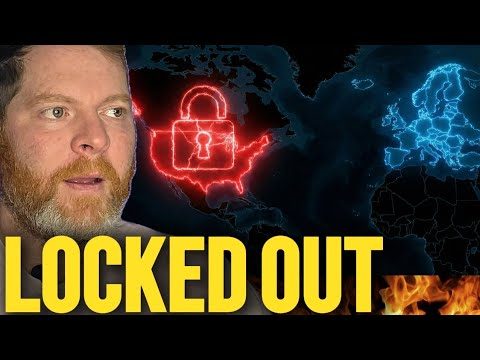
America’s Fading Alliances: Munich Conference Signals a Global Realignment
The recent Munich Security Conference has cast a stark light on the evolving global landscape, revealing a palpable shift in how America is perceived by its traditional allies. While official rhetoric from the U.S. delegation, represented by Secretary of State Marco Rubio, aimed to project continuity and shared vision, the reception on the ground was far from warm. The atmosphere, as described by observers, felt less like a reaffirmation of partnership and more like a polite, yet firm, dismissal – akin to a funeral toast where the deceased’s words, however well-intentioned, cannot alter the inevitable outcome.
A Speech Echoing the Past, Ignored by the Present
Secretary Rubio’s address, intended to reassure European partners of America’s unwavering commitment, leaned heavily on historical ties and shared values. He invoked a narrative of America as a “child of Europe,” emphasizing familial bonds and a common destiny. However, this appeal to a “curated past” seemed to fall on deaf ears. The transcript suggests that while the words spoken were those of reassurance and historical connection, the underlying sentiment among European leaders was one of growing self-reliance and a strategic pivot away from an increasingly unpredictable American foreign policy.
The analogy of a funeral toast perfectly encapsulates the disconnect. The words were delivered, the pleasantries exchanged, but the underlying reality – a perceived decline in American reliability and a strategic divergence – remained unaddressed. This disconnect was further highlighted by concurrent actions. While Rubio spoke of shared history, the European Union delegation was reportedly finalizing the Brussels Defense Initiative. This initiative, which aims to restrict military technology with “kill switches,” signals a direct move towards treating American military technology, such as the F-35 fighter jet, with the same caution the U.S. applies to Chinese tech like Huawei, viewing it as a potential security risk and a “backdoor.” This development underscores a growing European desire for technological sovereignty, driven by a perceived need to mitigate risks associated with relying on potentially unreliable allies.
The Greenland Ultimatum: A Precursor to Distrust
The speaker points to a specific incident involving Greenland as a stark example of this erosion of trust. The alleged threat of imposing 25% auto tariffs on Denmark unless mineral rights to Greenland were transferred was not merely a diplomatic disagreement; it was framed as an “uninvited threat of invasion and military action on a NATO ally.” Such heavy-handed tactics, especially when occurring shortly after pronouncements of deep historical and cultural bonds, create a profound sense of dissonance. This incident, coupled with the unpredictable nature of U.S. foreign policy decisions, as exemplified by late-night presidential tweets, has evidently pushed European nations to re-evaluate their security architecture and their dependence on American assurances.
Europe’s Strategic Pivot: Building Walls, Not Bridges
The narrative presented is one of Europe actively seeking to “build a wall around America to protect them, to keep us out.” This is not a literal wall, but a metaphorical one constructed through increased self-reliance and strategic diversification. The Brussels Defense Initiative is a key component of this strategy, aiming to create a more independent European defense capability. Furthermore, the report suggests that Europe is looking beyond traditional American partnerships, reaching out to China and India for manufacturing capabilities and potentially reducing reliance on American industrial output.
Historically, the term “sick man of Europe” referred to declining powers like the Ottoman Empire or post-imperial Britain. The Munich conference, in this analysis, suggests a reversal of roles. America, once the dominant global power, is now seen as living in its “old glories” while attempting to project an imperial future that no longer aligns with global realities. Europe, conversely, is depicted as asserting its newfound strength and collective will, moving towards greater autonomy. This strategic shift is not driven by animosity but by a pragmatic assessment of a changing world order and a desire for self-determination.
The Economic Undercurrent: Suffering at Home, Isolation Abroad
The analysis connects these geopolitical shifts to the domestic situation in the United States. It highlights the struggles of the “normal working-class American” facing economic hardship, wealth disparity, and rising costs of living. The implication is that an America focused on projecting power and engaging in unilateral actions abroad is doing so at the expense of its own citizens and its standing in the world. As Europe fortifies its own economic and military capabilities, and potentially seeks new partnerships, America risks becoming more isolated, facing higher costs for goods and a declining standard of living.
A Diverging Path: Shared History, Divergent Futures
While shared history and intertwined economies are acknowledged, the core argument is that America and Europe have “deviated paths.” The U.S., in its current trajectory, is seen as embracing “the very worst aspects of European history, civilization, and politics that we’ve seen in the 20th century” – a reference to imperial ambitions and a disregard for the sovereignty of other nations. This is contrasted with the liberal and democratic delegation at Munich, who expressed a desire to return to a more cooperative international order once the current administration’s policies conclude.
Why This Matters
The implications of this perceived shift are profound. If traditional allies begin to distance themselves and build independent capabilities, the global balance of power will inevitably recalibrate. For the United States, it could mean a diminished role on the world stage, increased economic strain, and a loss of influence. For Europe, it signifies a bold step towards strategic autonomy, potentially leading to a more multipolar world. The divergence also raises questions about the future of international cooperation on issues like climate change, global health, and humanitarian crises, especially given recent U.S. vetoes on critical humanitarian initiatives, such as the assertion that food is a human right.
Future Outlook: A New Era of Alliances
The Munich Security Conference, in this interpretation, is not a reunion but a “divorce proceeding.” The era of unquestioned American leadership and reliance is waning. The future appears to be one where Europe, and potentially other global powers, will assert their own interests and build their own security and economic frameworks. This will likely lead to a more complex and perhaps less predictable international environment, where alliances are forged and broken based on mutual benefit rather than historical precedent. The call to “let yourself be heard” by the American populace suggests a desire for a course correction, urging citizens to engage with these critical foreign policy developments and advocate for a different path for their nation.
Source: WARNING: America is Now a Second-Class Ally (Munich 2026) (YouTube)

Related Articles
Iran’s Escalation: Trump Faces Deadly Fallout
Iran's strategic escalation of attacks on U.S. and Israeli targets, aimed at inflicting maximum damage and raising costs, has led to American casualties and a complex geopolitical challenge for the Trump administration. The rejection of a ceasefire signals a determined effort to force a U.S. withdrawal.
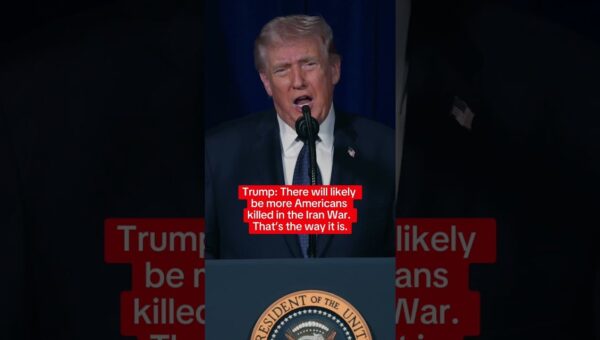
America’s Grim Toll: More Lives Lost in Iran Conflict?
The recent deaths of three U.S. service members in Iran have reignited debate, with Donald Trump predicting more casualties. This analysis explores the historical context, differing perspectives, and the profound implications of such stark pronouncements on national security and public sentiment.

China’s Global Grip Loosens Amidst Sanctions and Shifting Alliances
Recent weeks have seen China facing increased scrutiny, from accusations of supplying Russia with military hardware to allegations of foreign influence operations targeting U.S. politics. Meanwhile, strategic alliances and economic countermeasures by rivals like the U.S. and Japan signal a potential shift in global power dynamics.