Americans Rally for Democracy Amidst War and Economic Woes
Thousands of Americans are participating in "No Kings" rallies nationwide, demanding accountability from leaders and drawing parallels to historical movements that spurred significant change. The protests occur amidst a controversial war with Iran, economic uncertainty, and a partial government shutdown. Organizers emphasize solidarity, joy, and the power of collective action in defending democracy.


Nationwide Protests Erupt as Citizens Demand Accountability
Across the United States, a wave of protests known as the “No Kings” rallies are gaining momentum, with organizers anticipating one of the largest demonstrations in American history. The “No Kings” movement, now in its third iteration, is a direct response to the current presidency and a growing public sentiment against what many perceive as authoritarian tendencies and a lack of transparency, particularly concerning the ongoing conflict with Iran.
Echoes of History: When People Power Drives Change
The current wave of activism is drawing parallels to pivotal moments in American history where public outcry and mass mobilization led to significant societal and legislative change. Host Lawrence O’Donnell highlighted several key events, beginning with the tragic 1911 Triangle Shirt Waist Factory fire in New York. The deaths of 146 garment workers, mostly young immigrant women, spurred 80,000 people to march in the rain. This public outcry resulted in 36 new laws aimed at improving factory safety, working hours, and child labor protections, marking the birth of the modern American regulatory state.
The transcript also referenced the 1963 March on Washington, where a quarter-million people gathered to advocate for civil rights. This massive demonstration, organized by A. Philip Randolph and Bayard Rustin, applied moral pressure that helped overcome congressional stalling on civil rights legislation. Similarly, the first Earth Day in 1970 saw 20 million Americans participating in environmental action, leading to the creation of the Environmental Protection Agency and the passage of the Clean Air and Water Acts.
More recently, the 1990 “Capital Crawl,” where disability rights activists, many in wheelchairs, ascended the steps of the U.S. Capitol, directly preceded the signing of the Americans with Disabilities Act. These historical examples underscore a recurring pattern: significant progress often follows periods when ordinary citizens take to the streets to demand change, rather than waiting for government action.
A Nation Divided: War, Economy, and Public Trust
The “No Kings” rallies are occurring against a backdrop of significant national challenges. The United States is currently engaged in a month-long conflict with Iran, a war that President Donald Trump has repeatedly claimed is already won. However, official statements and reports paint a different picture. Secretary of State Marco Rubio suggested the war would conclude in “weeks,” but the human cost is mounting, with over 4,600 reported deaths in Iran, including 3,300 civilians, and 13 U.S. service members killed.
Compounding these concerns is the state of the U.S. economy. Stock markets have seen consistent losses, with the S&P 500 and Dow Jones experiencing significant drops. The conflict has also driven oil prices to their highest levels in nearly four years, impacting consumers at the gas pump. According to recent polls, 65% of Americans feel the economy is not working for them, and President Trump’s overall approval rating stands at a low 38%, with 56% disapproving of his performance.
Adding to the public’s frustration is the ongoing partial government shutdown. The House of Representatives rejected a Senate plan to fund the Department of Homeland Security through September, instead proposing a short-term extension that has been met with criticism from both parties for potentially prolonging the shutdown and fueling frustration.
The “No Kings” Movement: Reclaiming Power and Embracing Joy
Organizers of the “No Kings” rallies emphasize that these demonstrations are not about hate, but about citizens actively participating in their democracy and asserting their collective power. Leah Greenberg, co-founder of the Indivisible Project, highlighted the importance of showing up, stating that it provides a sense of solidarity and courage, showing participants they are not alone and that their voices represent a significant portion of the nation.
The movement is also characterized by a deliberate embrace of joy and humor as tactics against what is described as authoritarianism. Examples include protesters wearing inflatable animal costumes, making it difficult to portray them as threatening. This approach aims to counter the feeling of powerlessness that fascism seeks to instill, demonstrating instead a vibrant community standing together.
Jane Fonda, speaking at a preview rally, urged people to act before it’s too late, emphasizing that the tools of resistance, including the right to vote, may be diminished if action is not taken now. Governor Tim Walls of Minnesota plans to attend the flagship rally in St. Paul, stating his gratitude for the organic leadership that has shown peaceful protest is a popular and effective means of standing up for rights.
Looking Ahead: The Power of Collective Action
As the nation braces for potentially record-breaking protests, the sentiment is clear: citizens are ready to make their voices heard. The “No Kings” movement aims to build on the momentum of previous actions, fostering local organizing and community building. The goal is to reclaim agency, demand accountability from leaders, and reinforce the fundamental principle that in a democracy, power ultimately resides with the people. The success of these rallies, and the subsequent actions they inspire, will be crucial in shaping the country’s political and social future.
Source: The Last Word with Lawrence O'Donnell – March 27 | Audio Only (YouTube)

Related Articles
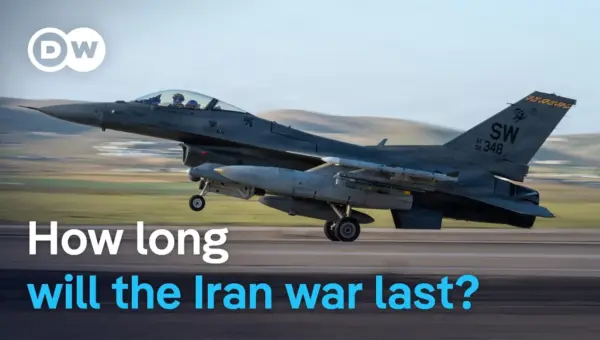
US Official Claims Iran War Could End Soon; Expert Skeptical
Despite US envoy Steve Woff's optimism about imminent talks and a swift end to the conflict with Iran, expert Aaron David Miller expresses significant doubt. Miller argues that a lack of shared urgency and fundamental miscalculations by the US administration make a quick resolution unlikely.
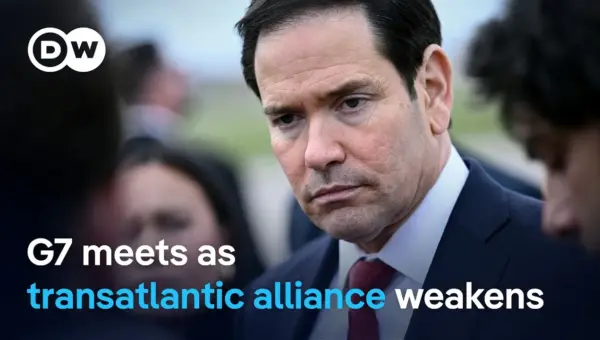
G7 Allies Clash Over Iran War Strategy, Urge Focus on Russia
G7 foreign ministers met in Paris, revealing deep divisions over the U.S. war with Iran. European allies urged the U.S. to pressure Russia, linking its actions to the conflict and fearing support for Ukraine will wane.


Jane Fonda Warns of ‘Existential Crisis’ Amid Protests
Jane Fonda has issued a stern warning about widespread attacks on the First Amendment, urging Americans to defend their freedoms. The veteran activist highlighted the growing number of large-scale protests as a sign of public concern and a crucial opportunity to address both democratic erosion and the climate crisis.