Americans Protest Taxes: War, Policy Drive Tax Resistance
A growing number of Americans are refusing to pay federal income taxes as a form of protest against U.S. foreign policy and domestic issues. Known as war tax resistance, this movement has seen a surge in interest, with organizations offering guidance on how to participate. However, experts warn that avoiding tax payments can lead to severe legal penalties, including fines and potential jail time.

Americans Protest Taxes: War, Policy Drive Tax Resistance
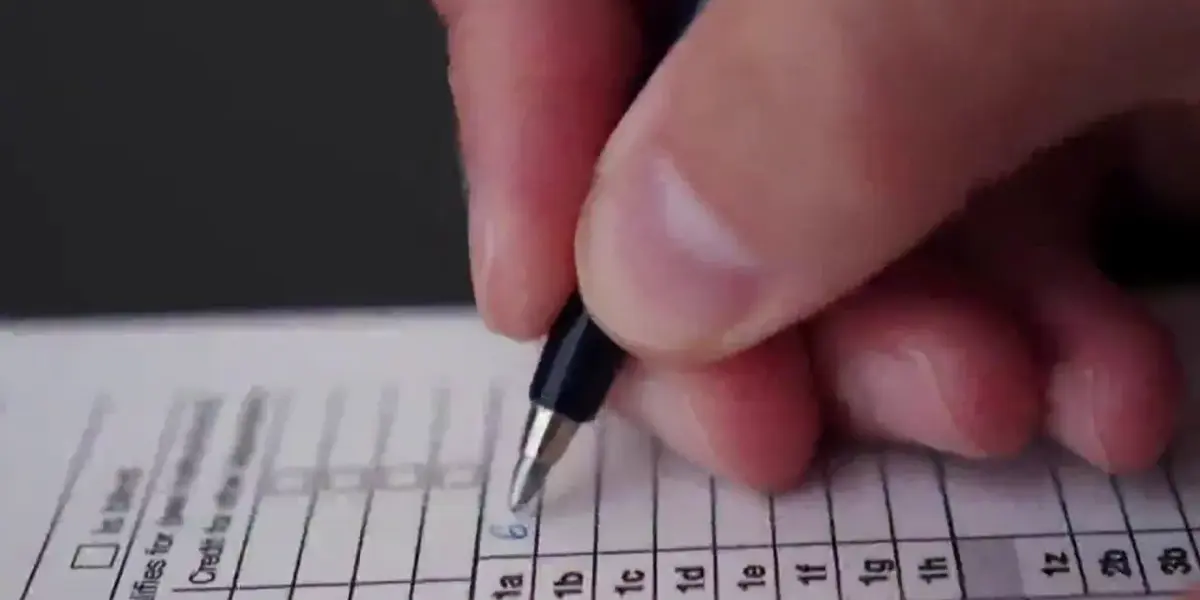
A growing number of Americans are choosing to withhold federal income taxes as a form of protest. This movement, known as war tax resistance, is fueled by opposition to U.S. foreign policy, particularly the conflict in Iran, and concerns about President Trump’s domestic policies. Participants are publicly declaring their refusal to pay federal taxes this year, with some encouraging others to join through social media campaigns like “Tax Strike 2026.” Instead of sending money to the government, these individuals are opting to save it, donate it to charities, or keep it for personal use.
A Long History of Tax Protest
War tax resistance is not a new phenomenon in the United States. It has roots stretching back to the Colonial era and saw a significant surge in attention during the Vietnam War. A famous example is folk singer Joan Baez, who openly refused to pay a large portion of her taxes in protest. While the IRS reportedly placed a lien on her property, the act highlighted the potential impact of such demonstrations. Today, advocates report a renewed and growing interest in this form of protest.
Surge in Interest and Support
Lincoln Rice, who leads the National War Tax Resistance Coordinating Committee, has seen a dramatic increase in online activity. “Before the invasion of Gaza, we would typically have 40,000 unique users visit our site on an annual basis,” Rice stated. “This past January, we had the most visits to our website that we’ve ever had – over 110,000 unique users.” The committee, an anti-war group active since the early 1980s, recently held its largest training session on how to effectively resist paying war taxes. These “War Tax Resistance 101” sessions aim to guide individuals on legal methods to avoid owing taxes.
Varying Approaches to Resistance
For some, resisting taxes involves using legal means to lower their overall tax burden. This might include taking advantage of deductions or credits. For others, the protest goes further, involving a direct refusal to pay. Nishu Sharma is one such individual who decided to stop withholding federal taxes from her paycheck this year. “Resisting is a privilege, and not everyone can resist in the same way,” Sharma explained. “So, having options and still being able to take action was great.”
Concerns Over Government Spending
Sharma’s primary motivation stems from her concerns about how her tax dollars are being allocated. “We were sending a lot of funding and arms to other countries instead of taking care of the people at home,” she said, noting these concerns existed even before recent escalations in foreign conflicts. While it’s difficult to trace the exact destination of individual tax payments, the U.S. Treasury reported collecting about half of its revenue from individual income taxes last fiscal year. The Office of Management and Budget indicated that approximately $900 billion was allocated to defense spending, making it the fifth-largest government expense behind Social Security, Medicare, interest on the national debt, and other health programs.
Legal Risks and Expert Warnings
Sharma, however, emphasizes that her protest is not about avoiding all taxes. “I’m still paying state taxes, and I believe state taxes are something that we should continue paying,” she clarified. Regarding potential repercussions, Sharma expressed a belief that the IRS lacks the resources to pursue every individual who doesn’t pay federal taxes. However, legal and tax experts strongly disagree with this assessment. “The law does not care what your motive is for either not filing or not paying your taxes,” warned one expert. The IRS and legal professionals highlight that failing to pay taxes can result in significant penalties. These can include substantial fees, the revocation of passports, and in severe cases, even jail time.
Expert Advice: Peaceful Protest Recommended
When asked for advice for tax protesters, one legal professional strongly advised against withholding taxes. “I would tell them, push a candle through a paper plate and go to a vigil and sing. Don’t refuse to pay your taxes; that will land you in prison,” the expert stated. As this tax resistance movement gains visibility online, the potential for real-world consequences for participants remains a critical concern.
Source: Some Americans say they’re refusing to pay federal taxes in protest against Trump (YouTube)

Related Articles


China’s Shadow Reach: Nonprofits Under Scrutiny
US lawmakers are investigating whether Chinese Communist Party influence is reaching American nonprofits. Concerns center on tax-exempt groups potentially engaging in political activities for Beijing. Similar alarms are being raised in the UK regarding a group with ties to alleged spies and CCP elites.


China’s Shadow: Nonprofit Groups Under Fire
Top Republican lawmakers are calling for an investigation into tax-exempt organizations allegedly linked to China's Communist Party. These groups may be violating federal law by endorsing candidates and raising money, potentially interfering in U.S. politics.


Tax Myths Debunked: Real Pros Expose Bad Advice
Financial experts Brian Preston and Bo Hanson debunked common online tax advice, distinguishing legal avoidance from illegal evasion. They highlighted tax advantages for real estate professionals and explained why tax refunds aren't free money. The discussion also covered the serious consequences of failing to file taxes for extended periods.