Americans Pay Up to $25K to Escape War Zones Via Private Firms
Tens of thousands of Americans are seeking private evacuation from war zones as commercial travel options dwindle. Companies like Global Guardian are facilitating complex journeys, costing up to $25,000 per person, to ensure safety amidst escalating conflict. The firm highlights risk mitigation strategies and discusses the challenges of government preparedness versus private solutions.

Private Companies Offer Lifeline as War Zones Close Off Options
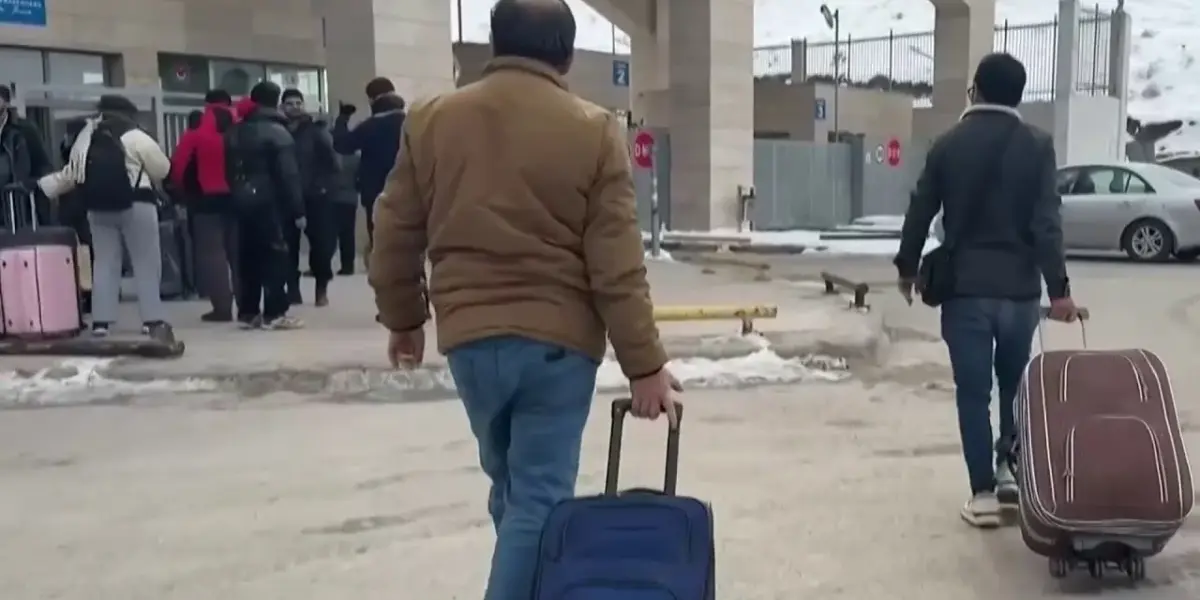
Tens of thousands of Americans are scrambling to leave volatile regions, facing dwindling options as land, sea, and air routes become increasingly restricted. With commercial airspace largely shut down and crucial shipping lanes like the Strait of Hormuz effectively closed by Iran, many are turning to private security and evacuation firms for a way out. These companies are managing complex journeys, often costing upwards of $25,000 per person, to extract individuals from conflict zones.
Journey Management: The Complex Path to Safety
Dale Buckner, CEO of Global Guardian, a private security firm, detailed the intricate process involved in evacuating clients. “It’s about journey management,” Buckner explained. “It’s about preparing the client of where they’re going to consolidate what kind of vehicle they’re going to get on, and giving them an expectation of how long is that trip.”
For example, an evacuation from Dubai can involve significant overland travel. What once took 45 minutes to cross a border might now take five hours. Once at the border, clients are transported to accommodations, often in Muscat, Oman, while awaiting either a commercial flight or, more commonly now, a private charter flight, typically bound for Europe. This multi-stage process underscores the logistical challenges and the extended timelines involved.
Fear and Risk Mitigation in Conflict Zones
The emotional toll on those seeking to escape is significant. “There’s no question people are scared,” Buckner stated. His organization advises clients to move away from city centers. “Once you’re in the suburbs, once you’re 30 minutes outside of Dubai, you’re very safe. The probability of a rocket hitting the desert outside the city is incredibly low. So we like to tell our clients your exposure goes down by over 90% as soon as we get you out of city center.”
While drone activity has posed a threat across Gulf states, Buckner noted a recent slowdown, though he cautioned that the situation remains fluid. “We are seeing a slowdown, but that could change in ten minutes. And that’s kind of the nature of these war zones.” The primary message to clients is to leave promptly:
“We are preparing them mentally to say, you have an opportunity to get out, get out of this war zone. It’s safe. The probability of risk goes down exponentially. You’re simply better off getting out of these city centers and not waiting, because you might wait for another week. Two weeks, three weeks. We just don’t know whether that’s commercial options or waiting on the State Department.”
The High Cost of Private Evacuation
The financial commitment for these private evacuations is substantial. Costs can range from $15,000 to $25,000 per person, depending on the origin country, the vehicles used, and the type of aircraft. These figures typically include the cost of transport back to the United States, though Buckner noted it depends on the specific platform used.
The demand for these services has surged. Global Guardian, which had already evacuated approximately 3,000 people by day five of operations, anticipated reaching over 5,000 requests within 48 hours. The nature of the requests has also shifted, moving from individual or small group evacuations to much larger operations. “Now we’re seeing requests for 400, 1100, 1900,” Buckner said, highlighting the scale of the unfolding crisis. The company is now operating entire convoys of buses and utilizing 300-seat aircraft, with recent flights departing from Riyadh, routing through Cairo, and landing in Berlin.
Coordination with Government Agencies
While these operations are primarily private, Buckner confirmed discussions with the State Department regarding potential support. “We have talked to the State Department. We have not supported them yet, but we’re in that discussion of where and when and how.” He emphasized his company’s willingness to assist, citing past involvement in evacuations from Ukraine, Sudan, and Kabul.
Limitations and Guarantees in War Zones
Buckner was candid about the limitations of guarantees in such high-risk environments. “We cannot control in Ukraine. During Ukrainian evacuations, where Russian might, might, MIG might drop a bomb. I can’t guarantee where a drone is going.” The firm’s primary assurance lies in risk mitigation, emphasizing that moving clients outside of urban centers drastically reduces their exposure.
“We have not heard of a single single civilian being killed on a highway outside of any city center in the Gulf. As of today,” he added, underscoring the effectiveness of their risk-reduction strategies. The company has not encountered incidents of civilians being harmed on evacuation routes outside of major population centers.
Critique of Government Preparedness
The current situation has drawn criticism regarding the preparedness of government agencies to evacuate American citizens. Buckner addressed these concerns, drawing on his 24 years of experience in the military and government. “When you think about an employee at an embassy… they are there for a diplomatic mission. They are not there to evacuate tens of thousands of people that get stranded. That’s not their job. They’re not trained and equipped for this.”
He clarified that embassies are designed for information and guidance, not mass evacuations. While government-chartered flights (like C-17s) may eventually be deployed when conditions permit, the immediate decision for individuals or corporations is whether to wait for official channels or opt for private solutions. “The question, the calculus you have to make as either a corporate leader or a family member is simply are you willing to wait? And what’s that risk?”
Addressing Humanitarian Needs
Recognizing the potential for a humanitarian crisis, Global Guardian and similar firms are exploring ways to assist those unable to afford private evacuation. “We have we fully understand that this all of these scenarios pivot into a humanitarian crisis at some point,” Buckner stated. He mentioned that in past evacuations, such as from Ukraine, they filled empty seats on buses and aircraft with individuals who could not pay.
“In many cases, we can sponsor,” Buckner added, indicating a willingness to use available capacity to help vulnerable populations when clients permit. This approach aims to balance the commercial nature of their business with a commitment to addressing critical humanitarian needs during times of crisis.
Source: How some Americans are turning to private firms to flee the war zone (YouTube)

Related Articles

UK Defence Spending: Minister Grilled on Readiness
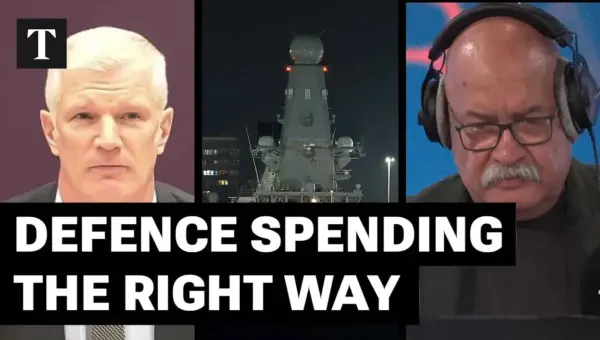
UK Armed Forces Minister Alastair Burt defended the nation's military capabilities amid global instability, addressing concerns over defence spending and readiness. He highlighted the UK's significant deterrent and global presence while acknowledging the need to accelerate investment to meet future threats.
US Advises Americans to Flee Middle East Amid Iran Tensions
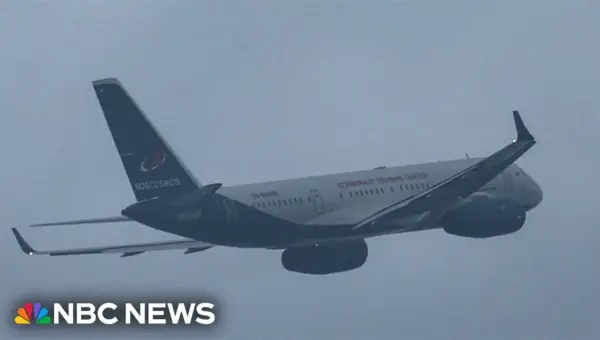
The White House has advised American citizens to leave the Middle East amid escalating tensions and a recent strike. The directive impacts hundreds of thousands of U.S. residents and travelers, raising questions about government preparedness for civilian evacuations. This comes as regional defense systems, bolstered by U.S. collaboration, remain a key element of security.


Iran Escalates Attacks: US Evacuates Citizens Amidst Regional Chaos
Iran has launched a wave of retaliatory strikes across the Middle East, targeting U.S. interests and prompting the evacuation of American citizens. The U.S. and its allies have responded with significant military action, while the conflict impacts global markets and domestic politics.