Americans Brace for Record Easter Spending Amid Rising Costs
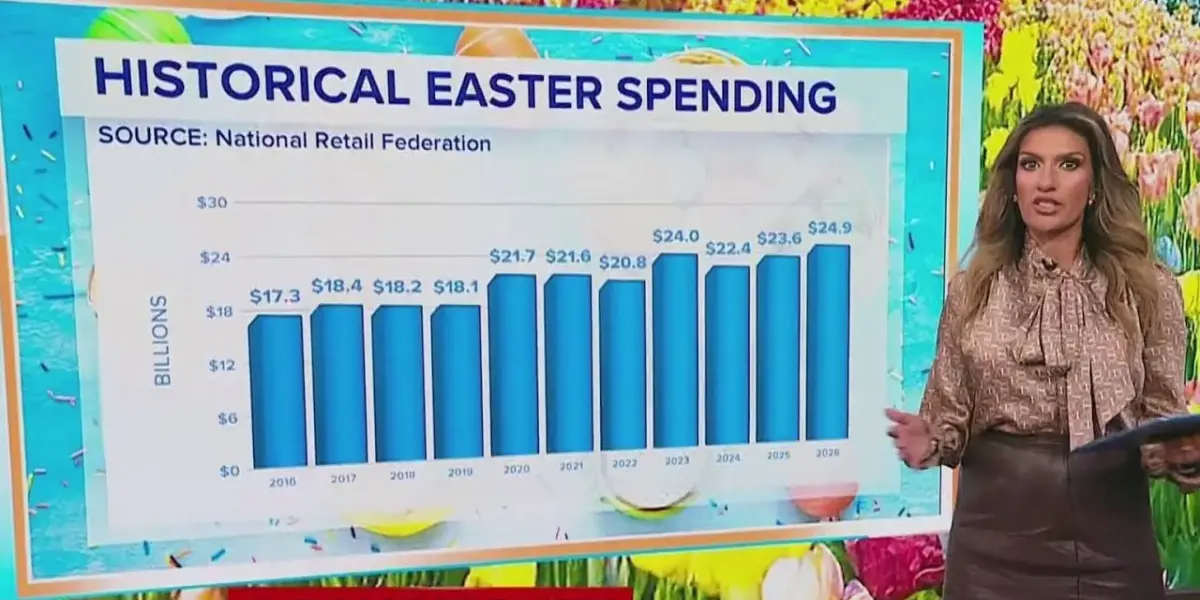
Americans are set to spend a record $25 billion on Easter celebrations this year, despite concerns about rising costs. Food remains the biggest expense, with chocolate treats also seeing significant price hikes. This trend highlights a strong desire to maintain traditions even as affordability becomes a challenge.

Americans Brace for Record Easter Spending Amid Rising Costs
Millions across the United States are preparing to celebrate Easter Sunday, a holiday steeped in tradition, family gatherings, and, this year, record-breaking spending. Despite widespread concerns about inflation, Americans are expected to open their wallets like never before for the holiday. The total spending for Easter celebrations is projected to reach an all-time high of $25 billion. This marks a significant increase from previous years, highlighting the enduring importance of holiday traditions even in challenging economic times.
Affordability Concerns Grip Consumers
The rising cost of goods is casting a shadow over the festive mood for many. A recent survey found that one in four Americans believe the spring holiday will not be affordable this year. Unlike Christmas, where many households plan and budget carefully, half of Americans admit they do not have a specific budget set aside for Easter. This lack of planning, combined with higher prices, could lead to unexpected financial strain for some families.
Food Leads the Spending Charge
When it comes to Easter celebrations, food remains the undisputed king of expenses. A staggering 90% of people plan to spend their money on food for the holiday. This includes everything from the main meal to special treats. For a traditional Easter meal serving 10 people, the American Food Institute estimates the cost to be around $125. This figure does not even include desserts or drinks, suggesting the actual food bill could be much higher. Restaurant owners also see Easter Sunday, along with Mother’s Day and Good Friday, as one of the three biggest days of the year for business, indicating a strong demand for dining out and catered events.
Sweet Treats Come with a Higher Price Tag
The beloved Easter basket, a symbol of the holiday for children and adults alike, is also feeling the pinch of inflation. Americans are expected to spend $3.5 billion on candy alone. The star of the show is the chocolate bunny, with 90 million of them sold each year. Despite the rising costs, these chocolate treats remain the preferred Easter candy, beating out favorites like jelly beans. However, for chocolate lovers, the price has gone up significantly. Since 2020, the cost of chocolate Easter treats has increased by 67%, making those sweet indulgences considerably more expensive than just a few years ago.
Spending Per Person and Other Expenses
On average, Americans are expected to spend $196 per person for Easter celebrations. While food takes the largest slice of the budget, other expenses are also factored in. Gifts rank as the second-biggest expense, followed by decorations, clothing, flowers, and cards. The emphasis on a large family gathering meal further drives up the food costs, making it the primary financial focus for most households planning to celebrate.
Global Impact
While this analysis focuses on American spending habits, the trend of increased consumer spending on holidays, even amid rising costs, is a global phenomenon. It reflects a deep human desire to maintain traditions and connect with loved ones. However, the specific impact of inflation on these celebrations can vary significantly by country, depending on local economic conditions, supply chains, and cultural practices. The record spending in the U.S. suggests a resilient consumer spirit, but also a potential vulnerability to future economic shocks if spending is not supported by stable incomes.
Historical Context
Easter celebrations have a long history, evolving over centuries. The tradition of exchanging gifts and sharing festive meals has roots in ancient spring festivals and later Christian observances. The modern concept of the Easter basket, filled with candy and small toys, gained popularity in the late 19th and early 20th centuries, coinciding with advancements in food production and marketing. The current surge in spending, while historic in dollar amount, echoes past periods where increased prosperity or a desire for normalcy after difficult times led to robust holiday consumption.
Economic Leverage and Consumer Behavior
The current spending patterns reveal a complex interplay between economic pressures and consumer behavior. Despite a significant rise in the cost of food and goods, Americans are choosing to prioritize holiday spending. This could be due to a strong desire to maintain traditions, a belief that prices will continue to rise, or a combination of factors. The preference for specific items like chocolate bunnies, even at higher prices, shows how deeply ingrained certain consumer habits are. This also highlights the power of companies in shaping consumer choices through marketing and product availability.
Future Scenarios
Looking ahead, several scenarios could unfold. One possibility is that this record spending becomes a new normal, with consumers continuing to prioritize holiday traditions despite economic challenges. Another scenario is that rising costs eventually force a significant cutback in holiday spending, leading to more modest celebrations. A third scenario involves a shift in consumer preferences, where experiences or less expensive forms of celebration gain popularity over traditional material goods. The likelihood of each scenario depends on a variety of factors, including future inflation rates, consumer confidence, and global economic stability.
Source: Easter spending predicted to hit record high | Morning in America (YouTube)

Related Articles


Credit Spreads Surge; Stocks Near Highs Signal Trouble
Widening credit spreads, a historical predictor of stock market downturns, are currently signaling economic trouble while the S&P 500 remains near highs. The Federal Reserve faces a difficult challenge managing inflation and employment amidst potential oil price shocks.


Chemical Shortage Triggers Global Manufacturing Freeze
A critical shortage of NAFTA, a key petrochemical feedstock, is causing global manufacturing disruptions. Geopolitical events have severely impacted supply lines, leading to soaring prices and factory shutdowns across Asia. This crisis threatens supply chains for everything from semiconductors to medical devices, with central banks struggling to respond.


Mentalist Predicts $6.14 Gas Price, Links to Mom’s Birthday
Mentalist Oz Pearlman accurately predicted a $6.14 gas price, which matched the interviewer's mother's birthday, during a segment on financial anxieties. The event occurred ahead of Pearlman headlining the White House Correspondence Dinner.