American Airlines Aims for 2026 Turnaround Amid Profit Woes
American Airlines is targeting 2026 for a significant turnaround, aiming to close the gap with rivals Delta and United in profitability and reliability. The airline is investing heavily in premium travel products and operational improvements to enhance customer experience.

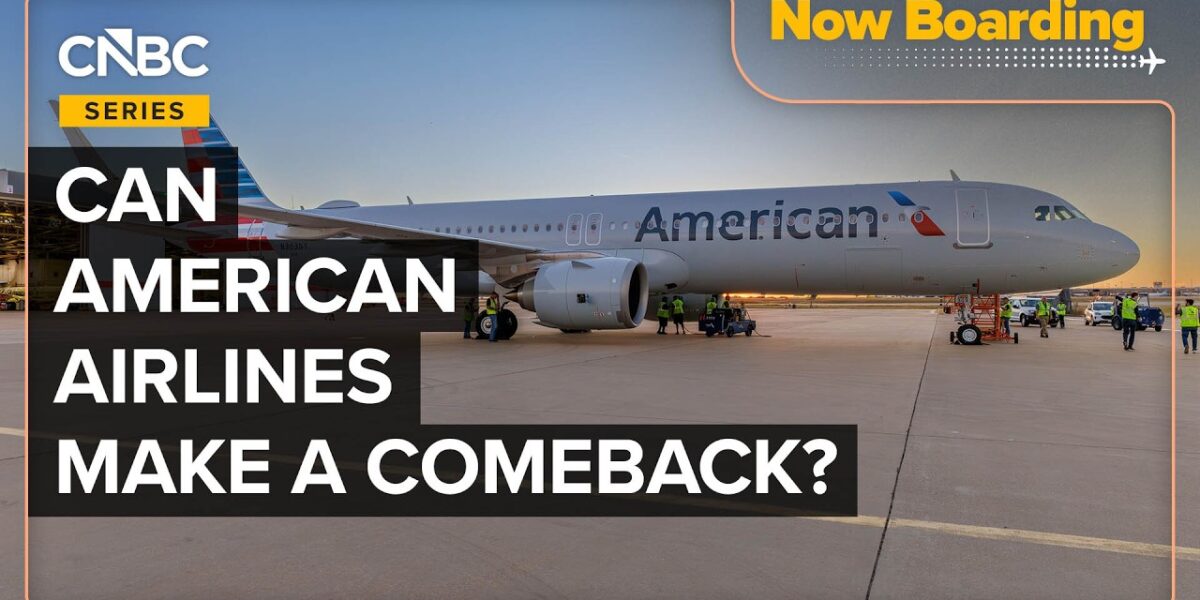
American Airlines Charts Ambitious 2026 Turnaround Plan
American Airlines is signaling a pivotal shift, with the carrier targeting 2026 as its year of significant turnaround. This strategic push comes as the airline has consistently trailed its major U.S. competitors, Delta Air Lines and United Airlines, in key performance indicators such as profitability and operational reliability. The gap in these areas has been substantial, prompting a critical re-evaluation of the company’s direction and customer-centric strategies.
Lagging Competitors and the Premium Travel Imperative
For years, American Airlines has found itself on the back foot compared to its rivals. While the airline transported a comparable number of passengers and executed a similar volume of flights as Delta and United last year, its profit margins were a mere fraction of what its competitors reported. This disparity underscores a fundamental challenge: effectively competing in the lucrative premium travel segment. This market, characterized by higher-yield first-class and business-class seats, has become increasingly vital as traditional coach fares face pressure. American’s struggles here have been a persistent issue, with the slippage in its competitive standing dating back decades.
The core of the problem, according to industry observers, lies in the airline’s strategic identity. A central question facing leadership is whether American aims to be a global, full-service premium carrier or a domestic, volume-oriented airline focused on market pricing. This strategic ambiguity has impacted its ability to capitalize on the burgeoning premium travel market, a segment where rivals have demonstrated considerable success.
Investing in the Customer Experience
Recognizing the critical role of customer experience in driving repeat business, American Airlines is embarking on a significant investment strategy. The airline plans to substantially expand its premium offerings, aiming to grow its lie-flat and premium economy seating capacity by 50% by the end of the decade. This initiative includes the introduction of new cabin interiors and is complemented by a broader revamp of its airport lounges. Enhancements to the in-flight experience are also being made, such as the introduction of Lavazza coffee and a new champagne brand.
The airline’s fleet modernization is also a key component of this strategy. American has highlighted the upcoming delivery of 321 XLR aircraft and expressed satisfaction with its Boeing 787-9, particularly its flagship suites. These investments are not new but are now reaching a stage of fruition, signaling a tangible commitment to improving the product.
Reliability Concerns and Labor Relations
Beyond product enhancements, operational reliability remains a significant hurdle. American Airlines has fallen behind its competitors in on-time performance and other reliability metrics, a situation that has frustrated both customers and crew members. The cost of operational failures, as one executive noted, is far greater than ensuring operations are executed correctly from the outset, impacting both the bottom line and employee morale.
This decline in reliability and profitability has strained labor relations. Both American’s pilot and flight attendant unions have publicly questioned CEO Robert Isom’s leadership. The flight attendants union even passed a vote of no confidence, citing low profits that directly impacted profit-sharing for staff. While CEO Isom has acknowledged these concerns, he also pointed to recent contract negotiations that have resulted in higher pay for flight attendants and other unionized employees compared to their counterparts at United, a move intended to address some labor grievances.
Financial Headwinds and Future Outlook
The path to recovery is further complicated by American’s substantial debt burden, exceeding $35 billion. Analysts emphasize that significant investment will be required to achieve the desired improvements in both financial performance and customer experience. Despite these challenges, American Airlines has projected an upbeat forecast for the current year, anticipating growth in both revenue and profits. The airline experienced a strong start to the year with record bookings in the first three weeks of January, recovering from a dip attributed to a government shutdown that disproportionately affected its more domestically focused operations.
The airline acknowledges that rebuilding trust and demonstrating sustained improvement will take time. The upcoming years will be critical for CEO Robert Isom and his management team to prove that their turnaround strategy can translate into concrete financial results and a demonstrably better passenger experience. The industry will be watching closely to see if American Airlines can successfully navigate its challenges and reclaim its competitive position among the top U.S. carriers.
Market Impact
American Airlines’ stock performance over the past 12 months has lagged behind other major U.S. carriers, reflecting investor concerns about its profitability and reliability issues. The success of its turnaround plan hinges on its ability to execute its premium product strategy, improve operational efficiency, and manage its significant debt load. Investors will be closely monitoring key metrics such as load factors, revenue per available seat mile (RASM), and on-time performance. The airline’s ability to attract and retain premium travelers, coupled with improved cost management, will be crucial for achieving sustainable profitability. The significant investments in fleet modernization and cabin enhancements, while necessary for long-term competitiveness, represent substantial capital expenditures that will weigh on free cash flow in the near term.
What Investors Should Know
American Airlines is facing a multi-faceted challenge. The ambitious 2026 turnaround plan requires a delicate balance between investing in product and operations, appeasing labor groups, and managing a considerable debt burden. While the airline has outlined a clear strategy to enhance its premium offerings and improve reliability, the execution risk remains high. The competitive landscape is fierce, with Delta and United demonstrating strong operational and financial performance. Investors should look for tangible evidence of improved operational metrics, consistent profit growth, and effective debt reduction. The airline’s recent contract agreements with labor groups, while potentially stabilizing relations, also add to its cost structure. The long-term success of American Airlines will depend on its ability to consistently deliver a superior customer experience and achieve profitable growth in a cyclical industry.
Source: Can American Airlines Turn Itself Around? (YouTube)

Related Articles

American Airlines Aims for 2026 Turnaround
American Airlines has set a target of 2026 for a significant turnaround, aiming to close the profitability and reliability gap with competitors Delta and United. Despite recent booking strength, the airline faces pressure to enhance customer experience and operational consistency.


AI’s Economic Shift: Ownership is the New Wage
Artificial intelligence is projected to significantly reduce the economic value of human labor within a decade. Experts suggest that capital ownership, rather than wages, will become the primary means of wealth accumulation. Investors are urged to consider this shift in their long-term strategies.


Nvidia Earnings Signal AI Revolution’s Next Phase
Nvidia's latest earnings report reveals accelerating revenue growth and profitability, signaling a new phase in the AI revolution driven by sophisticated AI agents. The company's strong performance underscores the growing demand for computational power as AI transitions into a core digital infrastructure component.