Amazon’s Fake SSD Crisis: A Deep Dive
Amazon is facing scrutiny over the sale of counterfeit SSDs that deceive consumers with false storage capacities and actively delete data. Investigations reveal tiny chips hidden within, scamming buyers.

Amazon’s Fake SSD Crisis: A Deep Dive
In an era where digital storage is paramount, a disturbing trend is emerging on one of the world’s largest online marketplaces: the proliferation of counterfeit Solid State Drives (SSDs). Reports and investigations are painting a grim picture, suggesting that Amazon is becoming a breeding ground for deceptively advertised storage devices that, in reality, fall far short of their stated capacities, leading to data loss and consumer frustration.
The Lurer 2TB SSD Deception
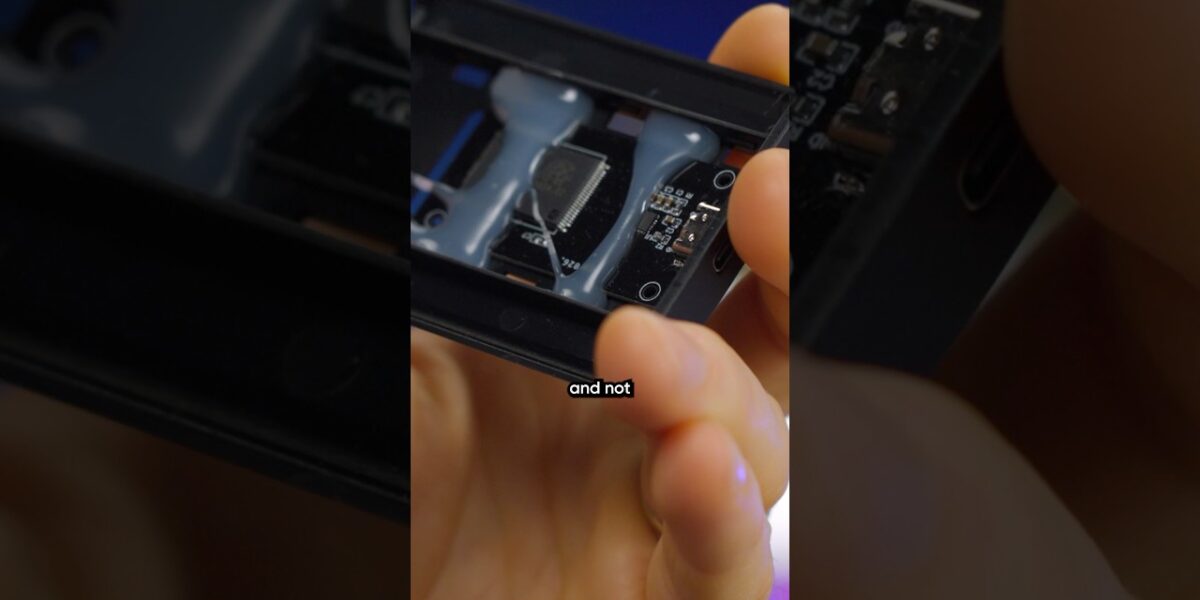
One particularly egregious example highlighted involves a product branded as a “Lurer 2TB USB 3.1 portable SSD.” While the blue color-coding typically signifies USB 3.0 or higher, closer inspection reveals it’s merely a USB 2.0 adapter. This immediately raises red flags about the manufacturer’s commitment to accurate product representation. The internal components tell an even more shocking story: a small, often hot-glued 64GB chip masquerading as a 2TB drive.
How the Scam Works: Deleting Data on the Fly
The deceptive nature of these drives goes beyond simple mislabeling. These counterfeit SSDs employ a sophisticated, albeit malicious, technique to trick users. When attempting to copy data beyond the actual capacity of the chip (e.g., trying to store more than 64GB on the aforementioned device), the drive doesn’t simply refuse the transfer. Instead, it begins to delete older data to make space for the new data. This means that users who believe they are safely storing their precious files are, in fact, unknowingly overwriting and losing existing information. The result is not just a failed storage solution, but a potentially catastrophic data loss scenario.
Amazon’s Role and the Cost of Prevention
The question on many consumers’ minds is: why doesn’t Amazon take more decisive legal action against these fraudulent sellers? The current business model of these counterfeit operations appears to be built around evading detection. Sellers often use gibberish or easily altered brand names. When a listing is flagged and banned, they can quickly re-emerge on the platform by making minor changes, such as altering a single letter in their brand name, and then re-registering a trademark. This cat-and-mouse game, coupled with the ease of re-establishing a presence, suggests a concerning calculation by Amazon. The platform may have determined that the cost of compensating victims of these scams is lower than the significant investment required to proactively prevent them from occurring in the first place. This approach, while potentially cost-effective for Amazon in the short term, erodes consumer trust and damages the integrity of the marketplace.
The “Too Good To Be True” Mantra
In the world of tech deals, the old adage “if it seems too good to be true, it probably is” has never been more relevant. While occasional genuine bargains can be found, exceptionally low prices on high-capacity storage devices from unknown or obscure brands should be treated with extreme suspicion. These counterfeit SSDs prey on consumers seeking affordable storage solutions, only to deliver a product that is not only functionally deficient but also actively harmful to data integrity.
Who Should Be Wary?
This issue affects a broad range of consumers, but particularly those who:
- Are price-sensitive when purchasing storage devices.
- Are not tech-savvy and may not recognize the warning signs of a counterfeit product.
- Need reliable storage for critical data, such as personal photos, important documents, or work files.
- Are purchasing from third-party sellers on Amazon, especially those with limited reviews or suspicious product listings.
The potential for data loss makes these fake SSDs a significant risk for anyone who values their digital information.
Moving Forward: What Can Be Done?
Consumers are urged to exercise extreme caution. Always check seller reviews, scrutinize product specifications, and be skeptical of prices that seem too good to be true. For platforms like Amazon, a more robust verification process for sellers and products, coupled with stricter enforcement against fraudulent listings, is crucial to restoring consumer confidence. The ongoing prevalence of these fake SSDs highlights a critical need for greater accountability within the e-commerce ecosystem.
Source: Amazon Sell Fake SSDs? (YouTube)

Related Articles

OpenAI Backers Rethink Investments Amidst Tightening Finances
Major backers like Amazon and Microsoft are reportedly attaching new conditions or scaling back investments in OpenAI, signaling a shift towards conditional funding in the AI sector. Financial analysis of key investors reveals tightening cash flows and significant capital commitments influencing these decisions.


Germany Slaps Amazon with €59 Million Fine Over Alleged Anti-Competitive Price Caps
Germany's Federal Cartel Office has fined Amazon €59 million and banned the e-commerce giant from imposing price caps on third-party sellers in its German marketplace. The FCO alleges this practice is anti-competitive, while Amazon vehemently denies the claims, asserting the decision is unprecedented and conflicts with EU law, and vows to appeal.

Honor’s ‘Robot Phone’ Adds a Gimbal Arm
Honor's 'Robot Phone' made waves at MWC with its integrated gimbal-stabilized camera arm and 200MP sensor. This innovative device aims to redefine mobile videography with advanced AI tracking and dynamic shooting capabilities.