Alpine A290: The Electric Hot Hatch That Might Actually Work
The Alpine A290 aims to redefine the electric hot hatch segment with its striking design and competitive pricing. While it offers brisk performance and sharp handling, it grapples with the inherent challenges of electric powertrains in delivering true hot hatch engagement.

Alpine A290: The Electric Hot Hatch That Might Actually Work
The notion of a truly fun, engaging electric hot hatch has long felt like a unicorn – a mythical creature in the automotive world. Traditional hot hatches are defined by their lightness, simplicity, rev-happy engines, and accessible price points. Electric performance cars, on the other hand, often swing to the opposite extreme: large, heavy, devoid of visceral feedback, and prohibitively expensive. But Alpine, with its new A290, is aiming to shatter these perceptions. This isn’t just another electric car; it’s a bold attempt to create a compact, electrifying performance hatchback that might just redefine the segment.
A Striking Design with Rally Pedigree
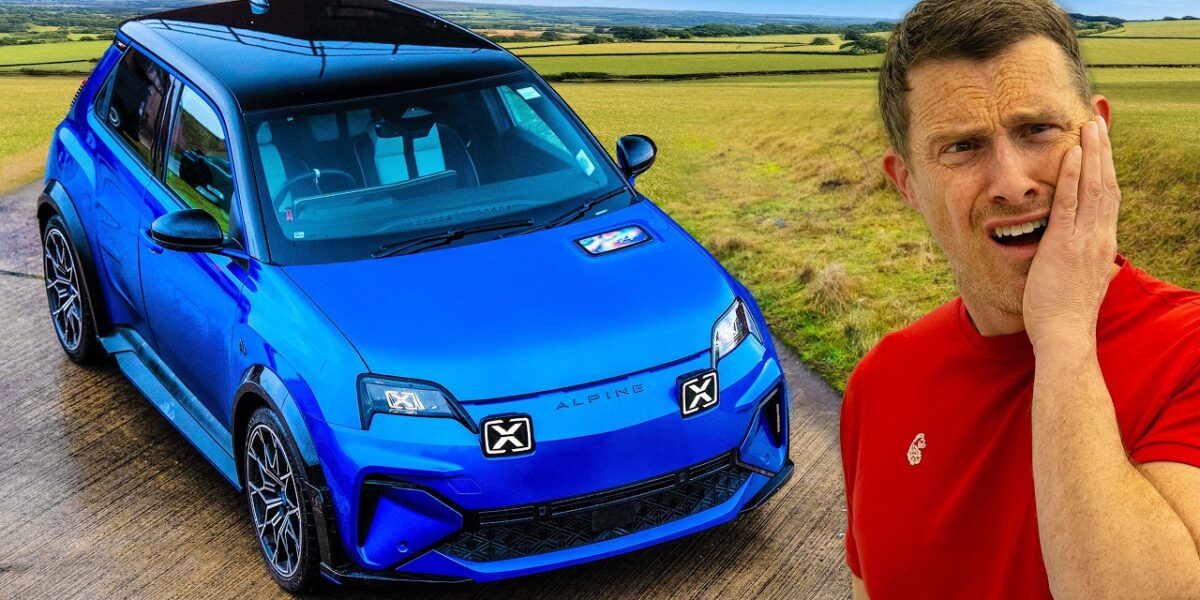
Visually, the A290 is a stunner. Based on the upcoming Renault 5, Alpine has injected its signature flair, transforming the retro-inspired compact into something altogether more aggressive and purposeful. The front fascia boasts a more sculpted bumper and distinctive air intakes, while the cross-shaped graphic across the lights, a nod to rally cars of old that would tape up their headlights, adds a unique, almost futuristic touch. The rally inspiration continues down the flanks, with sculpted rear door indentations that mimic the iconic Renault 5 Turbo 2. Flared wheel arches and substantial side skirts complete the performance-oriented stance, all riding on standard 19-inch alloy wheels that look particularly striking.
While the front and sides earn top marks for their transformation, the rear is perhaps less dramatically altered, featuring a subtle spoiler and an Alpine-branded bumper with a faux diffuser. Nevertheless, the overall aesthetic is cohesive and undeniably eye-catching, setting it apart from its more conventional electric counterparts.
Performance: Bridging the Gap
Alpine has adopted a familiar hot hatch strategy for the A290’s powertrain: transplanting a more potent motor from a larger sibling. In this case, it borrows the unit from the larger Renault Scenic E-Tech. The standard A290 GT produces 180 horsepower and 285 Nm of torque. However, the A290 GTS variant, as tested, ups the ante to a more potent 220 horsepower and 300 Nm of torque. This is a smart move, leveraging existing technology to deliver enhanced performance without the cost of developing an entirely new motor.
On paper, the A290 aims to compete with established petrol-powered hot hatches like the Volkswagen Polo GTI and Mini John Cooper Works. It features a front-wheel-drive layout and a launch control system for optimal acceleration. In testing, the A290 GTS achieved a 0-60 mph time of 6.2 seconds and a standing quarter-mile in 14.9 seconds, demonstrating brisk performance, especially considering the wet conditions during the test. While it exhibited some torque steer, it managed traction commendably.
Pricing and Value: A Surprising Proposition
Where the Alpine A290 truly makes waves is its pricing. The entry-level 180hp GT starts from around £35,000, the GT Performance from around £39,000, and the top-spec GTS from around £43,000. Astonishingly, these figures place it competitively against, and in some cases cheaper than, its direct electric rivals like the Mini EV JCW and Abarth 600E. More remarkably, it’s on par with petrol hot hatches such as the Mini Cooper S and Volkswagen Polo GTI, vehicles that have long benefited from established platforms and mature powertrain technology.
This aggressive pricing is significantly influenced by the UK government’s Plug-in Car Grant, which offers a substantial £3,750 subsidy for eligible EVs. This grant makes the A290 a surprisingly accessible proposition, even when compared to its internal combustion engine competitors. When factoring in depreciation and running costs, the A290 presents a compelling case for value, especially for those looking to make the switch to electric mobility without compromising on the hot hatch experience.
Interior: Familiarity with Alpine Touches
Inside, the A290 builds upon the solid foundation of the Renault 5. It retains the user-friendly screens, welcome physical climate controls, and a stylish headliner. Alpine has added its own touches, including an A290-branded steering wheel, unique seat trims, and subtle badging to elevate the sense of occasion. However, not all changes are universally welcomed. The new steering wheel, slightly squared off, may not feel as pleasing to grip as the standard Renault 5’s. The much-touted ‘overtake’ button, which provides full throttle, is a feature that can already be achieved by simply pressing the accelerator pedal fully, rendering its dedicated button somewhat redundant.
The most contentious change is the new center console. While it adopts a futuristic look, relocating the drive select buttons from the steering wheel to the console means the removal of the standard car’s cup holder – a significant blow to practicality for many. This, along with the slightly awkward placement of the start button and the lack of rear door bins, detracts from the overall usability that a hot hatch should offer.
Driving Dynamics: Fun, But Is It Enough?
Alpine has clearly worked to imbue the A290 with sharp handling. A wider track, stiffer suspension, beefier anti-roll bars, and quicker steering are all part of the recipe. On the road, the A290 handles well, remaining remarkably flat through corners and offering a good level of grip and dartiness. The upgraded brakes, featuring 320mm front discs from the A110 sports car and Brembo calipers, provide impressive stopping power, achieving a 60 mph to 0 stop in a remarkable 34 meters, even in the wet.
However, the question remains: is it fun? The A290 feels stable and capable, but it lacks the playful adjustability and raw engagement that defines the best hot hatches. The weight of the battery pack (around 1,480 kg, significantly heavier than its petrol rivals) and the lack of gear changes contribute to a feeling of detachment. While Alpine has attempted to enhance the driving experience with synthetic engine notes, they can sound somewhat artificial, reminiscent of a train. Furthermore, the car’s inherent stability, while confidence-inspiring, means it’s less inclined to rotate or offer throttle-induced adjustability that enthusiasts crave. It feels planted and secure, but perhaps not as alive or alert as one might expect from a car developed by a brand with such a rich performance heritage.
Practicality and Usability: Mixed Fortunes
The rear passenger space mirrors the Renault 5’s limitations, with tight headroom and legroom, making it less than ideal for adults on longer journeys. The boot, however, is a strong point, offering a practical 326 liters of space, which is competitive within the segment. But usability issues persist: the rear windows don’t fully lower, there’s no rear armrest, and the placement of the sills can lead to scraped shins or dirty trousers when entering or exiting. The inclusion of only a 12V socket for rear charging, rather than modern USB-C ports, feels like an oversight.
Perhaps one of the most significant drawbacks for a hot hatch is the intrusive stability and traction control systems. Even when seemingly deactivated, they intervene aggressively, preventing the kind of playful wheelspin or lurid slides that are part of the hot hatch DNA. This focus on stability, while safe, blunts the car’s fun factor.
Efficiency: A Hot Hatch’s Achilles’ Heel?
Driving the A290 in a spirited manner, as one would expect from a hot hatch, reveals a significant drop in efficiency. Averaging 1.5 miles per kWh results in a real-world range of around 80 miles, a far cry from the claimed 230 miles. While this is partly a consequence of aggressive driving, it highlights a fundamental challenge for electric hot hatches: the desire to drive them hard directly conflicts with maximizing range and minimizing charging downtime, especially when compared to the quick refueling of petrol alternatives.
Verdict: Desirable, Capable, But Not Quite the Revolution
The Alpine A290 is a significant step forward for the electric hot hatch concept. It looks fantastic, offers brisk performance, and, crucially, is priced competitively thanks to government incentives. It handles well, stops effectively, and provides a comfortable ride. However, it falls short of being the revolutionary, fun-driving machine that its styling suggests.
The lack of genuine playfulness, the compromises in interior usability (particularly the missing cup holder), and the efficiency concerns when driven enthusiastically prevent it from reaching the lofty heights of its petrol-powered predecessors. While it’s a better electric hot hatch than many of its direct EV rivals, the most compelling argument for the A290 might just be its desirability. It’s a car that you *want* to own, even if it doesn’t quite deliver the full hot hatch thrills. For those seeking a more engaging electric experience, a used Tesla Model 3 Performance might offer a more exciting, albeit different, proposition for similar money.
Ultimately, the Alpine A290 is a strong contender and a desirable electric car, but it doesn’t quite crack the code for a truly *fun* electric hot hatch. It’s a step in the right direction, proving that it’s possible to make an electric car that looks and feels special, but the ultimate driving engagement remains elusive.
Source: Why it’s IMPOSSIBLE to make a FUN electric car (YouTube)

Related Articles

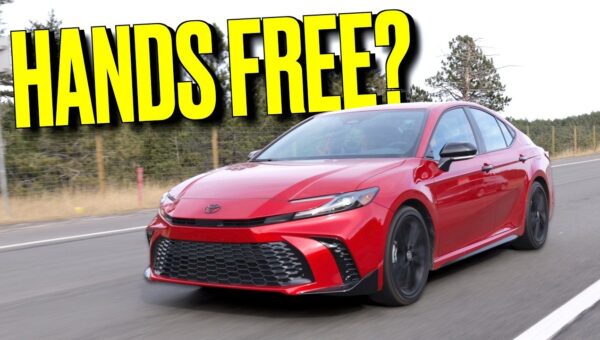
2026 Toyota Camry: A Hands-Free Hopeful, But Not Quite There
The 2026 Toyota Camry, a hybrid powerhouse, undergoes the demanding Woolly Mammoth Challenge for hands-free driving. While packed with safety features, it falls short of true autonomy, scoring 45 points and highlighting Toyota's conservative yet value-rich approach.
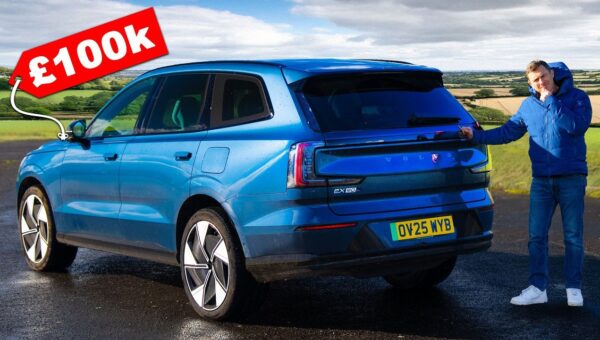
Volvo EX90: A Flawed Luxury EV King?
The new Volvo EX90 aims for luxury EV SUV supremacy but falls short due to a high price, disappointing real-world range, and uninspired driving dynamics. While comfortable and practical, it struggles to justify its premium cost against strong competition.

Fisker Ocean: A Second Life For A Flawed Electric Gem?
Once a symbol of electric vehicle ambition, the Fisker Ocean now finds a second life thanks to its dedicated owners. After the company's bankruptcy, the Fisker Owners Association has stepped in to provide parts, service, and software updates, transforming the flawed EV into a community-supported marvel. This has created a unique, albeit niche, bargain for adventurous buyers.