Allies Shun US Over Iran War, Ditching NATO Alliance
Key European allies are refusing to support US military actions in Iran, citing a lack of consultation and concerns over unlawful war. This has led to significant strain on the NATO alliance, with threats of withdrawal and re-evaluation of security commitments. The situation highlights a potential global realignment and a shift away from traditional US-led international order.

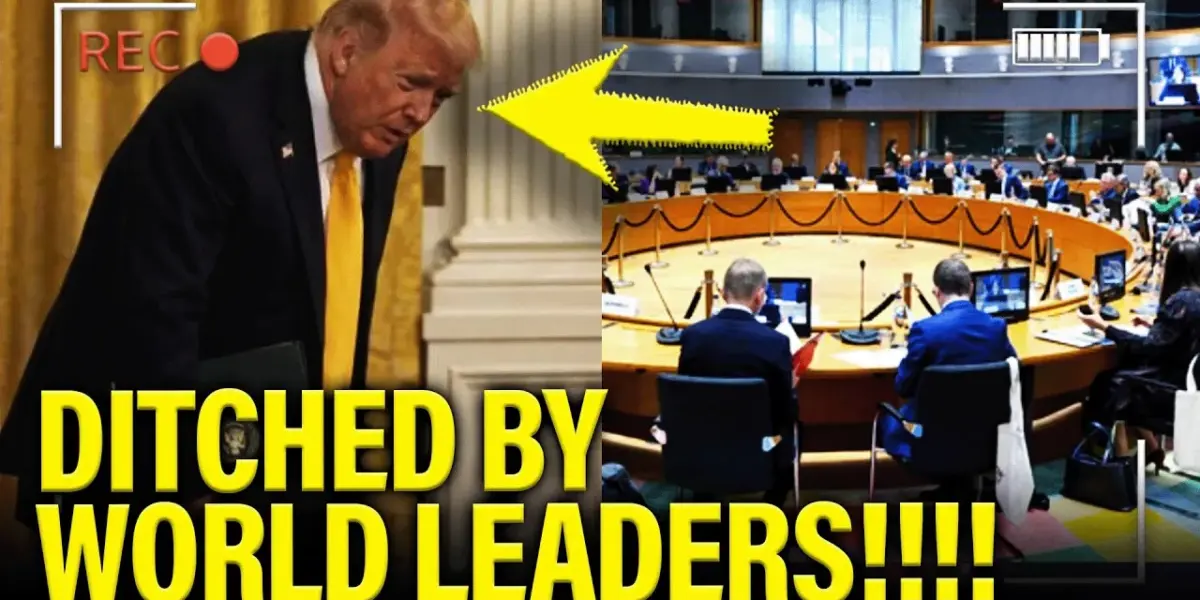
World Leaders Push Back Against US War Stance
In a significant shift, several key European allies are refusing to support a US-led military action against Iran. This refusal marks a stark departure from traditional alliances and signals deep disagreement over foreign policy. Countries like France, Italy, Spain, and Switzerland have all denied the US access to their airspace or military bases for operations related to this conflict. This move comes as a direct response to what these nations view as an “unlawful and catastrophic war” initiated without their full consultation or consent.
NATO Alliance Under Strain
The tension extends to the North Atlantic Treaty Organization (NATO), a cornerstone of Western security for decades. Former President Donald Trump and some allies have openly suggested withdrawing from NATO, a move that would fundamentally alter global security dynamics. This threat to dismantle the alliance comes as allies feel increasingly sidelined and ignored in critical foreign policy decisions. The core of the dispute lies in the US pursuing military actions unilaterally, then expecting allies to provide support, including airspace and logistical aid.
Historical Context: A Shifting World Order
For decades, the United States has been viewed as the leader of the free world, with alliances like NATO serving as pillars of stability. These alliances facilitated cooperation on security, trade, and diplomacy. However, recent actions suggest a growing desire among some US leaders to go it alone, or to forge different partnerships. This approach has led to friction, as allies question the value of commitments when they are not consulted on major military engagements, especially those with potentially far-reaching consequences.
Allies’ Economic Levers
The pushback from allies is not just political; it carries economic weight. Nations that once heavily invested in US treasuries, real estate, and student programs are signaling a potential withdrawal of this financial support. This economic leverage is a powerful tool, indicating that allies are prepared to alter their financial ties if their security concerns and diplomatic input are disregarded. The message from these countries is clear: if the US pursues an independent and confrontational path, allies will respond by re-evaluating their economic partnerships.
Specific Denials and Retaliation
France, for instance, denied Israel’s request to use its airspace for transporting US weapons intended for the Iran conflict. Italy has also stated that special permission is needed for military base usage beyond existing agreements, particularly for actions not covered by current treaties. In response to these denials, former President Trump accused France of blocking military equipment and attacked both France and the United Kingdom. He suggested that if allies refuse support, the US should consider withdrawing from NATO and that countries needing oil from the Strait of Hormuz should secure it themselves, implying the US would no longer guarantee passage.
Israel’s Shifting Alliances
The repercussions of these diplomatic standoffs are already being felt. Israel’s Ministry of Defense announced it would end all military procurement from France following France’s refusal to allow Israeli aircraft carrying munitions to use its airspace. Israel views France’s actions as undermining its security and plans to source replacements domestically or from more supportive nations. This move highlights a potential realignment of diplomatic and military relationships, driven by the current geopolitical tensions and the perceived lack of support from traditional allies.
Concerns Over Weakening Alliances
Critics of the “America First” approach argue that such unilateral actions weaken the US position globally and play into the hands of adversaries like Russia and China. They contend that by alienating allies and questioning alliances like NATO, the US is inadvertently making itself more vulnerable. The argument is that strong alliances deter potential aggressors and project a united front, whereas division and isolation embolden rivals. The current situation, where allies are denying US military access, is seen by some as a direct consequence of policies that have eroded trust and cooperation.
The Strait of Hormuz Dilemma
A key point of contention is the Strait of Hormuz, a vital shipping lane for global oil supplies. Former President Trump has suggested that the US will no longer guarantee passage through the Strait, urging allies to secure their own energy needs. However, data suggests that ship traffic through the Strait has significantly decreased, contradicting claims of robust transit. This situation raises concerns about global energy security and the potential for escalation if international shipping is disrupted, especially as allies depend heavily on this route for their energy imports.
A Call for Unified Action
The current international climate, marked by refusals of military support and threats to withdraw from key alliances, presents a complex challenge. While the US has the right to set its own foreign policy, the strategy of acting alone and alienating allies appears to be backfiring. The pushback from nations like France, Italy, and Spain indicates a desire for a more collaborative approach to international security. The future of alliances like NATO and global stability may depend on whether leaders can find common ground and re-establish mutual trust and cooperation.
Why This Matters
The refusal of key allies to support US military actions and the questioning of alliances like NATO signal a profound shift in international relations. It suggests that the era of unquestioned US leadership and automatic allied support may be drawing to a close. This situation has significant implications for global security, economic stability, and the future of international cooperation. If major powers cannot agree on fundamental security issues or are unwilling to consult each other, the world could become a more fragmented and dangerous place.
Implications and Future Outlook
The current events point towards a potential restructuring of global alliances. As the US reassesses its role and its allies push back against unilateral actions, new diplomatic and security frameworks may emerge. The willingness of countries to assert their independence in foreign policy decisions, even at the cost of traditional alliances, suggests a move towards multipolarity. The coming years will likely see a redefinition of international partnerships and a test of whether global challenges can be effectively addressed through cooperation or isolation.
Source: FURIOUS World Leaders FINALLY DITCH Trump OVER WAR!!! (YouTube)

Related Articles
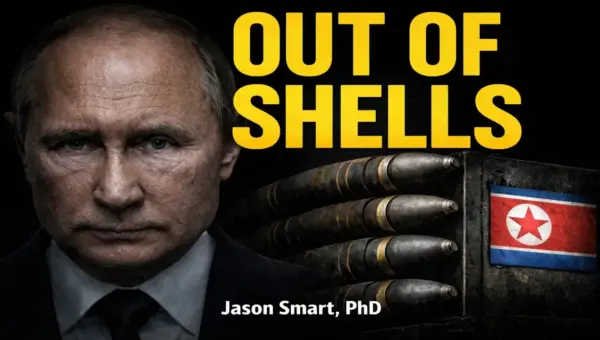
North Korea Sells Arms, Labor to Russia
Russia's reliance on North Korea for artillery shells and labor highlights Moscow's weakening military and economic position. Meanwhile, China leverages Russia's dependence for strategic gain, demonstrating a significant shift in regional power dynamics.

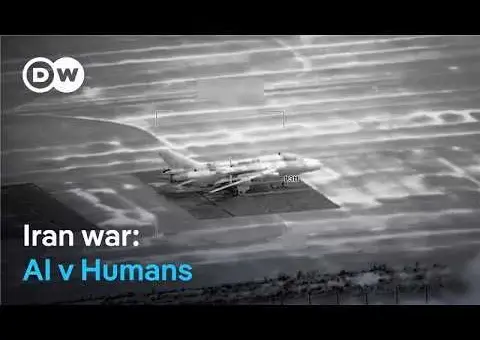
AI Revolutionizes Iran Conflict: A New Era of Intelligence?
The Iran conflict is emerging as a historic turning point in intelligence gathering, with agencies like Mossad and the CIA heavily integrating artificial intelligence. While AI enables rapid targeting and analysis, a catastrophic school bombing highlights the risks of relying on outdated data without sufficient human oversight. Experts stress that human analysts remain crucial for ethical decision-making and verifying AI-generated intelligence.
Iran Downs US F-15; One Pilot Rescued, Second Missing
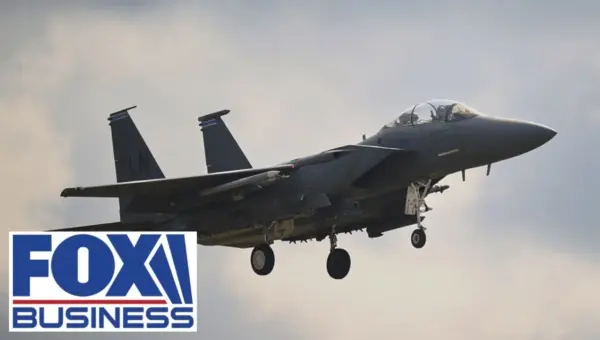
A U.S. F-15 fighter jet has been shot down over Iran, with one pilot rescued and a search underway for the second. Iran is leveraging the incident for propaganda purposes, while the U.S. prioritizes the rescue mission.