Allies Back US on Iran; Oil Prices Surge
Five European nations and Japan are joining the U.S. to ensure safe passage in the Strait of Hormuz amid rising oil prices. The U.S. is considering releasing sanctioned oil and potentially tapping its Strategic Petroleum Reserve to stabilize markets. These actions aim to counter Iranian threats and ease price pressures.

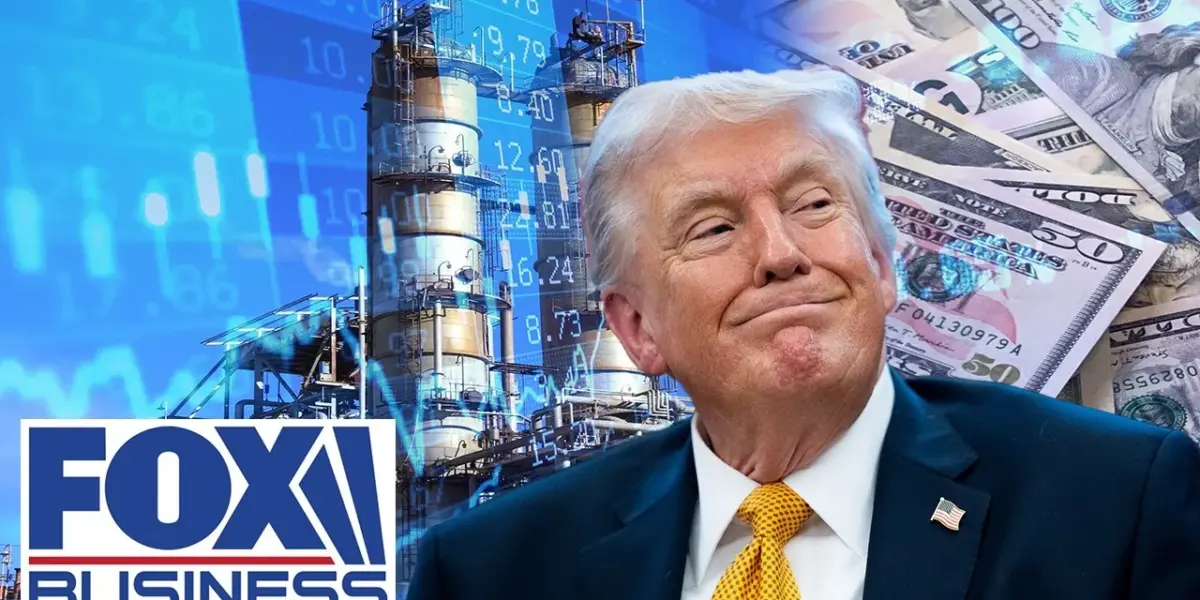
Global Allies Join US in Standoff with Iran, Oil Prices Spike
In a significant shift in global oil politics, five European countries and Japan have pledged to support the United States in ensuring safe passage through the Strait of Hormuz. This critical waterway is vital for global oil shipments. The move comes as crude oil prices have seen a notable increase, with oil trading at $102.20, up 4.5%, and crude oil at $96.47, up one-third of 8%. The U.S. is seeking to counter potential disruptions by Iran.
Diplomatic Breakthrough Secures Allied Support
President Trump welcomed Sanae Takaichi to the White House, where discussions focused on this new alliance. “I expect we will step up because we have that kind of relationship, and we step up for Japan,” President Trump stated, highlighting the importance of mutual support. “I’m not surprised that they would step up.” He noted that Japan receives a significant portion of its oil, around 90%, through the Strait of Hormuz, making their commitment understandable and crucial.
Former Energy Secretary Dan Brouillette described the response from allies as “remarkable.” He pointed out that these five countries, which previously might have refused help, are now offering statements of support. Brouillette believes that those who use the most oil should share the responsibility for keeping shipping lanes open. He expects these nations to deploy their navies and assets in the coming days, with England already working with CENTCOM in Tampa on planned activities.
Potential Market Interventions to Stabilize Prices
Beyond diplomatic efforts, the U.S. Treasury is exploring additional measures to influence oil prices. Treasury Secretary Scott Bessent indicated that the U.S. might “unsanction” oil currently at sea near Iran. This could involve allowing oil that was previously blocked by sanctions to be traded legally. Such a move could send a strong signal to traders and potentially reduce the risk premium that has been driving up prices.
The increase in oil prices over recent weeks is largely attributed to traders pricing in the risk of conflict in the Strait of Hormuz. These are seen as non-production problems, meaning the issue isn’t a lack of oil but rather the fear of it being unable to reach markets. By allowing previously sanctioned oil to be traded, the U.S. aims to mitigate these price increases in the short term. The administration also views sanctioning Venezuelan oil as a successful long-term strategy, creating a buffer against price hikes through increased U.S. production.
Strategic Petroleum Reserve and Other Tools
The U.S. also has the option to release oil from its Strategic Petroleum Reserve (SPR). However, this is typically reserved for severe supply shocks, such as a complete denial of physical oil access to the world. Other measures, like unsanctioning oil at sea and waiving the Jones Act (a law that regulates maritime trade), are seen as having a more immediate impact on prices.
The U.S. Treasury is also considering how to manage funds from any oil sales. Drawing a parallel to Venezuela, where funds from oil sales go to a Treasury-controlled account instead of the regime, the U.S. would likely control the money generated from any unsanctioned Iranian oil sales. This strategy aims to prevent Iran from profiting from these sales to fund its operations.
Energy Independence and Infrastructure Focus
The White House has ruled out banning or restricting U.S. oil exports as a means to lower domestic prices. Last year, the U.S. exported $1.5 billion worth of oil. The article emphasizes the significant achievement of U.S. energy independence, largely built on policies from the first Trump term. This independence provides a strong foundation for navigating global energy challenges.
Discussions also touched on the importance of domestic energy infrastructure, such as pipelines. The analogy of New York’s State of New York being the U.S.’s own “Strait of Hormuz” highlights the need for efficient energy transport within the country. Streamlining the permitting process for energy projects, including pipelines, is seen as crucial for increasing domestic supply and benefiting U.S. consumers. Changes to the National Environmental Policy Act (NEPA) and reforms to speed up agency permit processing are noted as positive steps.
Market Impact
The increased cooperation from international allies in the Strait of Hormuz is a positive development for global energy security. It reduces the immediate risk of oil supply disruptions, which has been a major driver of recent price increases. The potential for the U.S. to release or allow the trade of previously sanctioned oil could further stabilize prices. However, geopolitical tensions remain a key factor. Saudi officials have warned that oil could reach $180 a barrel depending on the duration of the conflict with Iran, indicating that market volatility could persist.
What Investors Should Know
Investors should monitor the effectiveness of these diplomatic and economic measures in de-escalating tensions and ensuring stable oil flows. The potential release of oil from floating storage or the SPR could provide short-term relief to prices. However, the underlying geopolitical risks associated with Iran and the broader Middle East continue to pose a threat to energy markets. The U.S.’s strong domestic production and energy independence position it well to weather potential storms, but global supply and demand dynamics will remain critical for oil price movements.
Source: GLOBAL U-TURN: US allies FLIP overnight in JAW-DROPPING oil power shift (YouTube)

Related Articles
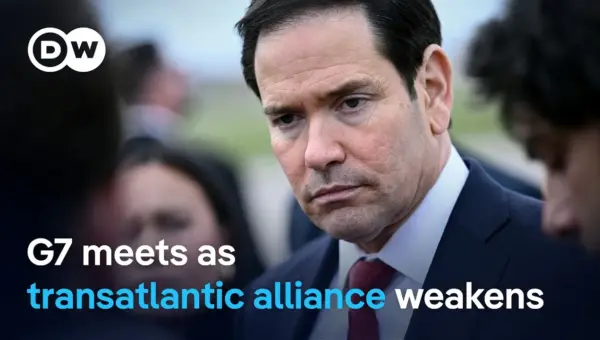
G7 Allies Clash Over Iran War Strategy, Urge Focus on Russia
G7 foreign ministers met in Paris, revealing deep divisions over the U.S. war with Iran. European allies urged the U.S. to pressure Russia, linking its actions to the conflict and fearing support for Ukraine will wane.
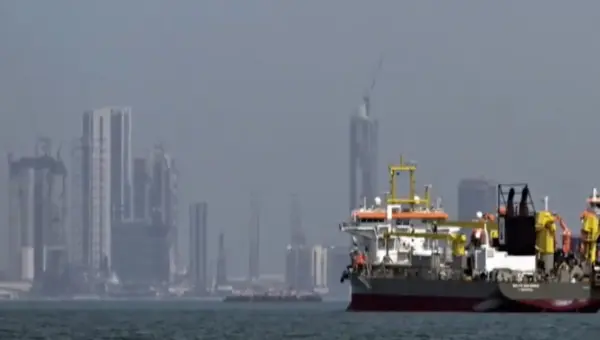
Iran Blocks China Ships, Exposing Beijing’s Weak Grip
Iran's recent decision to block Chinese ships at the Strait of Hormuz is exposing the limits of Beijing's influence in the Middle East. This action is causing delays and cancellations for Chinese manufacturers, turning a perceived geopolitical win into an economic strain.
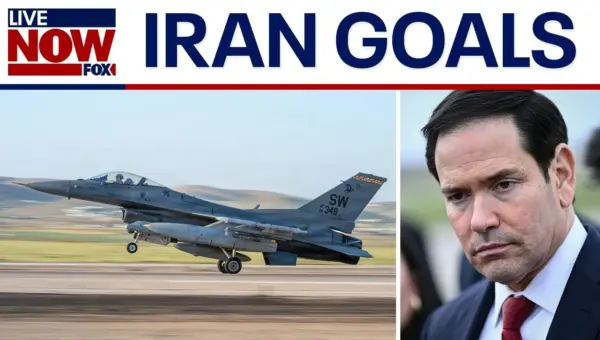
Rubio: US Can Achieve Iran War Goals Without Troops
Senator Marco Rubio outlined a strategy to counter Iran without deploying U.S. ground troops, focusing on weakening the regime and enhancing maritime security. He also criticized Cuba's economic system and expressed concerns about West Bank violence.