Alina Habba’s Gaffe Exposes Legal Blunders and Public Persona
Alina Habba's recent misidentification of Jesse Jackson as Reggie Jackson during a Newsmax appearance has sparked widespread criticism. The gaffe raises questions about her professional credibility and the nature of political commentary in the digital age.

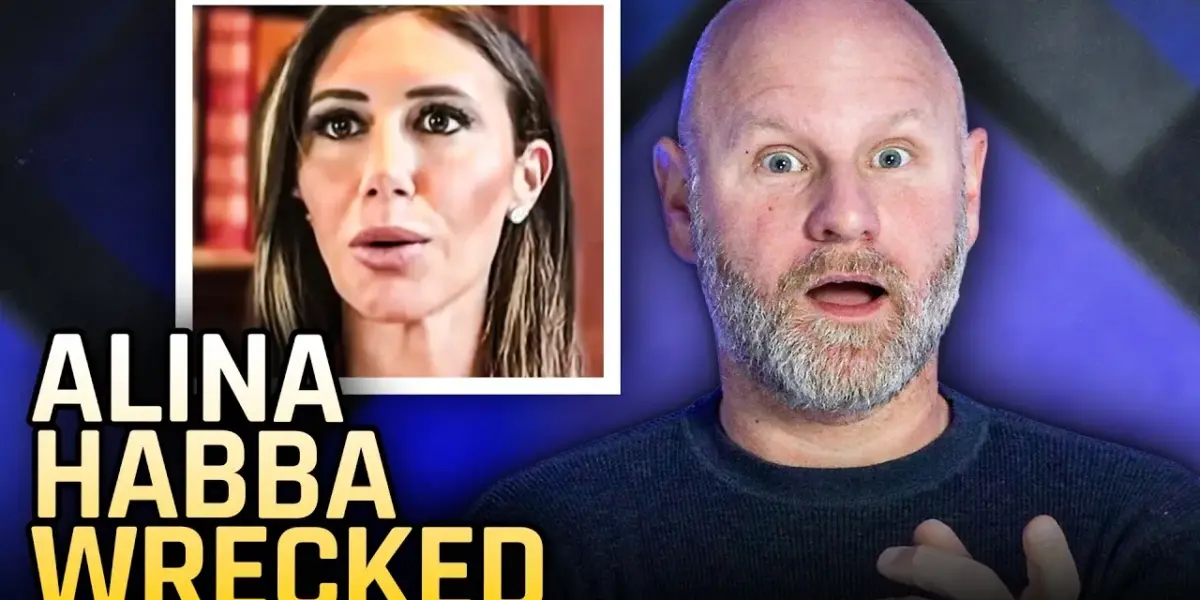
Alina Habba’s Gaffe Exposes Legal Blunders and Public Persona
In a recent media appearance that has drawn considerable online attention, Alina Habba, a former personal lawyer for Donald Trump, found herself at the center of a widely circulated gaffe. The incident, which occurred during an appearance on Newsmax, involved a misidentification that critics have seized upon as indicative of broader professional and intellectual shortcomings. This moment, while seemingly minor, has reignited discussions about Habba’s public persona, her legal career, and the nature of political commentary in the digital age.
The Misidentification Incident
During her Newsmax segment, Habba attempted to criticize remarks made by former Vice President Kamala Harris at the funeral of civil rights icon Jesse Jackson. However, in her attempt to cast doubt on Harris’s sincerity and knowledge, Habba mistakenly referred to the funeral as that of “Reggie Jackson’s funeral.” The error was significant: Reggie Jackson is a living MLB Hall of Famer, while Jesse Jackson, a prominent figure in the civil rights movement, had recently passed away. This mix-up quickly became a viral sensation, with many on social media pointing out the irony of Habba criticizing someone for a lack of knowledge while demonstrating her own apparent confusion.
The transcript of Habba’s statement highlights the misstep: “If you look at Kla Harris’s comments of desperation at Reggie Jackson’s funeral, and she didn’t even know him. If you look at this, they’re reaching so far. She She didn’t even know Reggie Jackson.” The commentary following this statement in the original video transcript directly addresses the error, noting that “Reggie Jackson, MLB Hall of Famer, is alive and well. I think he’s uh almost 80 years old now. Jesse Jackson is the civil rights icon who recently passed away.”
Analysis of the Gaffe and its Implications
The misidentification, particularly in the context of a political commentary and a funeral, has been framed by critics as more than just a simple slip of the tongue. The original transcript suggests a deeper critique, implying that Habba’s error reveals a lack of attention to detail or a fundamental misunderstanding of the individuals and events she seeks to comment on. The commentary pointedly remarks, “I get it, Alina. They probably all look alike to you, right? You can’t keep your black people straight. They both have last name Jackson, so what a They’re all interchangeable, I guess. Huh, Alina? Is that Is that where you’re at?” This line, while aggressive, underscores the perceived insensitivity and ignorance attributed to Habba’s mistake.
Furthermore, the critique extends to Habba’s professional standing. The transcript notes her status as an “unemployed former acting US attorney for the District of New Jersey, Donald Trump’s former failed personal lawyer who lost every case she ever went to trial for for him.” It questions the relevance of her commentary, suggesting that instead of appearing on platforms like Newsmax, she should be focusing on her career prospects. The implication is that such public missteps do not enhance her credibility or appeal to potential employers in the legal field.
The original commentary also references a past statement attributed to Habba, where she allegedly said she would “rather be pretty than smart because she can allegedly fake being smart.” This is used to draw a contrast with her current public performance, with the implication that her attempts to appear intelligent are not succeeding. The sentiment expressed is, “Well, it’s been a few years, Alina, and we’re all waiting for you to pretend to be smart cuz so far we haven’t seen it.”
Historical Context and Professional Background
Alina Habba gained prominence through her association with Donald Trump, serving as one of his lawyers in various legal challenges. Her tenure as an “acting US attorney for the District of New Jersey” is also part of her professional background, though the transcript characterizes her work for Trump as “failed” and notes that she “lost every case she ever went to trial for for him.” This framing suggests a pattern of professional setbacks that critics are eager to highlight.
The decision to invite Habba onto Newsmax, an outlet known for its conservative viewership, is also a point of discussion. The original transcript questions her newsworthiness, stating, “For some reason, Alina Haba was asked to be a guest on Newsmax, even though she herself is not newsworthy. She does not have a job with the administration, so I’m not even sure why they invited her.” This suggests that her continued presence in public discourse is seen by some as lacking substance or legitimate standing.
Why This Matters
This incident, while centered on a single misstatement, touches upon several broader themes. Firstly, it highlights the intense scrutiny and rapid dissemination of errors in the current media landscape. A single flub can be amplified across social media platforms, becoming a defining moment for a public figure, regardless of its actual significance to their broader professional output.
Secondly, it raises questions about the role of political commentators and surrogates. When individuals with limited current roles in government or established legal practice engage in public commentary, their credibility and the basis for their opinions come under examination. The pressure to be provocative or to offer sharp critiques can sometimes lead to errors that undermine their intended message.
Thirdly, the incident intersects with discussions about identity and representation in public life. The specific nature of the misidentification—confusing two prominent Black figures, one living and one deceased—has been interpreted by some as reflecting a deeper insensitivity or a lack of awareness regarding racial and cultural nuances. This aspect adds a layer of complexity to the critique, moving beyond simple factual errors to broader concerns about perception and prejudice.
Implications, Trends, and Future Outlook
The future trajectory of Alina Habba’s public and professional life remains to be seen. Her continued appearances on conservative media suggest an ongoing effort to maintain a public profile. However, the persistent focus on her legal record and public missteps, as exemplified by this recent gaffe, could pose challenges to her career aspirations. The transcript’s cynical view—that such appearances would not impress law firms—reflects a prevailing sentiment among her critics.
The trend of public figures, especially those associated with political movements, being subject to intense online scrutiny is unlikely to abate. Social media platforms act as both amplifiers and fact-checkers, often with a harsh and unforgiving tone. For individuals like Habba, who operate in this environment, maintaining a consistent and accurate public image is paramount, and any deviation can have significant consequences.
Looking ahead, Habba, like many public figures in the political arena, will likely need to navigate the delicate balance between engaging in public discourse and upholding a reputation for competence and accuracy. Whether this particular gaffe will be a minor footnote or a significant impediment to her future endeavors will depend on her ability to learn from the experience and on the broader narrative that continues to unfold around her and the political figures she has represented.
Source: Alina Habba Reminds Everyone She’s A Total Moron (YouTube)

Related Articles
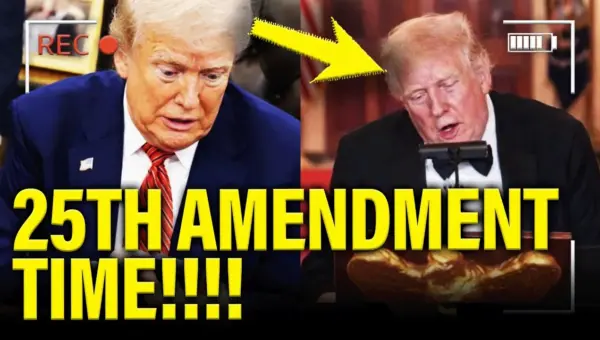
Trump’s Rambling Remarks Spark 25th Amendment Fears
Recent public statements by Donald Trump, including comments about the 25th Amendment and his own cognitive abilities, have fueled debate about his fitness for office. His remarks during interviews and a cabinet meeting have been described as rambling and factually questionable, touching on foreign policy, environmental decisions, and personal observations. This has led to renewed concerns about leadership during times of global instability.
Trump’s Cognitive Test Failures And Sharpie Saga Emerge
During a wartime cabinet meeting, former President Donald Trump's claims about acing cognitive tests and his elaborate story about expensive pens were highlighted. The speaker questioned Trump's cognitive state and his grasp on reality, suggesting Iran's regime was observing these events.

Meiselas Breaks Down Urgent Legal Developments
MeidasTouch host Ben Meiselas provided live commentary on breaking news on March 24, 2026. His analysis focused on legal and political developments, aiming to offer immediate context and interpretation for a rapidly evolving news cycle.