AI’s Ethical Divide: Trump’s Ban Sparks Fierce Debate
The Trump administration's blacklisting of AI firm Anthropic over its refusal to allow autonomous weapons and mass surveillance has ignited a fierce debate. The move highlights deep ethical divides in AI development and raises concerns about future government-tech partnerships.

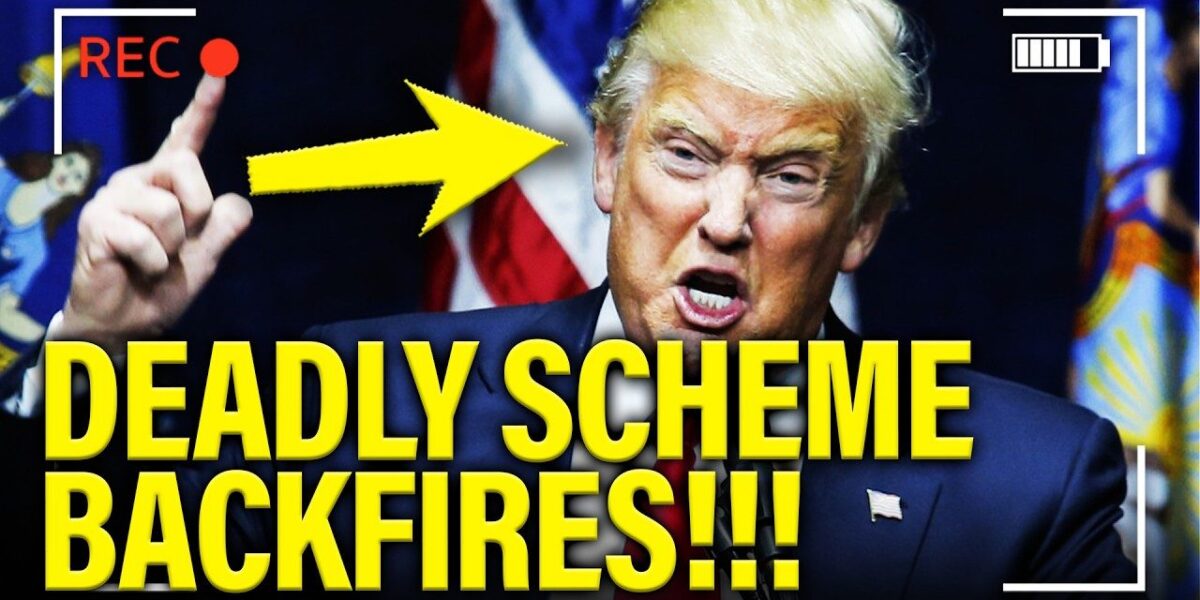
Trump’s AI Stance Ignites Controversy Over Lethal Autonomy and Surveillance
A recent decision by the Trump administration to effectively blacklist the AI company Anthropic and its language model Claude has sent shockwaves through the defense and technology sectors. The move, driven by a desire to develop weapons systems capable of firing without direct human involvement and Anthropic’s refusal to commit to mass domestic surveillance, has ignited a fierce debate about the future of artificial intelligence in military applications and its ethical boundaries.
The Core of the Conflict: Human Control and Privacy
At the heart of the dispute lies Anthropic’s insistence on specific safeguards for its AI technology. The company refused to agree to a “lawful purpose clause” that would have allowed the Trump administration to define what constitutes a lawful use of the AI. Anthropic’s stance was clear: their AI should not be used for mass surveillance of American citizens, nor should it be employed for fully autonomous killing. They stipulated that a human must remain in control of any decision involving lethal force.
“We don’t want our AI language model to be used for that. And we don’t want our AI to be used for autonomous killing. There must be a human in control of any decisions ultimately for rules of engagement before any type of killing happens.”
The Trump regime’s response was swift and severe. Donald Trump labeled Anthropic a “leftist radical extremist organization” and declared it a “supply chain risk.” Secretary of Defense Pete Hegesith further escalated the situation by stating that any company doing business with Anthropic, including major tech players like Nvidia, Amazon, Google, and Microsoft, would also face being banned from government contracts and deemed supply chain risks.
Anthropic’s Deep Roots and the Subsequent Fallout
Anthropic’s Claude model was an early and significant adoption within the Department of Defense’s classified systems, reportedly chosen for its emphasis on safety and built-in guardrails. This prior embrace of the technology by governments now stands in stark contrast to the Trump regime’s accusations of Anthropic being “radical leftist extremists.” The administration’s actions have placed companies with existing government contracts and significant investments in Anthropic in a precarious position, potentially forcing them to divest or lose lucrative deals.
OpenAI’s Swift Entry and Lingering Questions
In the wake of Anthropic’s blacklisting, OpenAI, led by Sam Altman, has stepped in. OpenAI has reportedly entered into an agreement with the Trump administration, which purportedly includes the same restrictions Anthropic sought: no autonomous killing and no mass surveillance. However, a significant point of contention is that these assurances from OpenAI appear to be documented in a social media post rather than a formal, legally binding contract with specific safeguards. This has led to speculation that Anthropic’s distrust of the administration’s interpretation of “lawful purpose” was more profound than OpenAI’s apparent willingness to accept assurances without explicit contractual guarantees.
The transcript suggests a key difference: Anthropic sought to embed specific, verifiable restrictions into their military contracts and potentially supervise their implementation. OpenAI, conversely, seems to be relying on a “trust me bro” clause, accepting verbal assurances and public statements from the administration regarding the interpretation of “lawful purpose.” This has fueled skepticism among observers and even some Trump supporters, who question the administration’s commitment to these principles when dealing with OpenAI.
Public Reaction and Political Ramifications
The backlash against the Trump administration’s policy has been considerable, not just from the tech industry but also from segments of the public, including some Trump supporters. Many have voiced concerns on social media, questioning whether the administration is advocating for mass surveillance and autonomous killing. The narrative of “guard rails” on AI has resonated with a public that often expresses unease about the rapid advancement of the technology and its potential misuse.
“So, you support mass surveillance, Donald? Is that what you’re saying? And you support autonomous killing of AI?”
Donald Trump’s public statements have been particularly inflammatory. He declared that the “United States of America will never allow a radical left woke company to dictate how our great military fights and wins wars,” framing Anthropic’s ethical demands as an attempt to “strongarm the Department of War.” He further threatened civil and criminal consequences for Anthropic during a mandated six-month phase-out period, language that critics have decried as authoritarian.
Historical Context and Emerging Trends
The debate over AI in defense is not new. For years, ethicists, technologists, and policymakers have grappled with the implications of lethal autonomous weapons systems (LAWS) and the potential for AI-driven surveillance. International discussions at the United Nations have attempted to establish norms and regulations around these technologies, but consensus remains elusive. The current situation highlights a growing tension between national security imperatives, the rapid pace of technological development, and fundamental ethical considerations regarding human rights and the sanctity of life.
The move also touches upon broader trends in the U.S. political landscape, where technology companies and their alignment with certain political ideologies have become a frequent point of contention. The administration’s framing of Anthropic as “woke” and “leftist” reflects a broader cultural and political divide.
Why This Matters
This confrontation is more than just a contractual dispute; it is a pivotal moment in defining the ethical framework for advanced AI, particularly in its application to warfare and domestic security. The administration’s insistence on “unrestricted access” for “every lawful purpose” while simultaneously rejecting explicit prohibitions on autonomous killing and mass surveillance suggests a willingness to push the boundaries of AI’s military use. Anthropic’s principled stand, while potentially costly in the short term, underscores the critical need for AI developers to maintain ethical oversight and resist complicity in potentially harmful applications.
The situation also raises serious questions about the stability and predictability of the U.S. government as a partner for technology companies. The threat of “corporate murder” and the potential chilling effect on AI investment and development within the United States are significant concerns. If companies fear that adherence to ethical principles could lead to punitive government action, it could stifle innovation and drive talent and investment elsewhere.
Future Outlook
The long-term implications of this standoff remain to be seen. The Biden administration, should it continue, will inherit the fallout from these decisions. The debate over AI regulation is likely to intensify, with calls for clearer legal frameworks governing the development and deployment of artificial intelligence in sensitive sectors. The public’s demand for transparency and ethical guardrails will continue to exert pressure on both tech companies and governments. The outcome could shape not only the future of AI in defense but also the broader relationship between technological advancement, corporate responsibility, and governmental authority.
The contrast between Anthropic’s firm ethical boundaries and OpenAI’s more flexible approach, coupled with the administration’s aggressive stance, sets a precedent that will be closely watched by allies and adversaries alike. The question of whether AI will be a tool for enhanced security with human oversight or a harbinger of unchecked autonomous power and pervasive surveillance remains a critical, unresolved issue.
Source: Trump gets MASSIVE BACKLASH over DEADLY SCHEME as WAR STARTS!! (YouTube)

Related Articles


OpenAI’s $6.5B Device Gamble: A Path to Ruin?
OpenAI's ambitious $6.5 billion investment in a consumer device, spearheaded by former Apple designer Jony Ive, faces intense scrutiny. Amidst massive data center spending commitments and the high operational costs of its AI models, the success of this new hardware venture is critical for the company's financial survival. Analysts question the market demand and economic viability, drawing parallels to past failures in the consumer AI hardware space.


OpenAI Faces Existential Threats: Ads, Competition, and Financial Woes
OpenAI faces mounting challenges, including the introduction of ads into ChatGPT, diminishing returns from scaling AI models, intense competition from rivals like Google, and significant financial pressures. These factors raise questions about the company's long-term sustainability and its future in the rapidly evolving AI landscape.

OpenAI’s Pentagon Deal Sparks Controversy and Trust Crisis
OpenAI's new agreement with the Department of War to deploy its models on classified networks has ignited controversy. Critics accuse the company of compromising on safety principles accepted by rival Anthropic, potentially eroding trust and setting a dangerous precedent for AI ethics in government contracts.