Airline Mishap Destroys $3000 GPU, Sparks Tech Debate
An NVIDIA RTX 4090 graphics card, worth thousands, was found damaged after an airline flight, leading to a dramatic repair and troubleshooting session. The incident highlighted issues with packing and an imbalanced PC build, sparking discussions on protecting high-value hardware during transit.

Airline Mishap Destroys $3000 GPU, Sparks Tech Debate
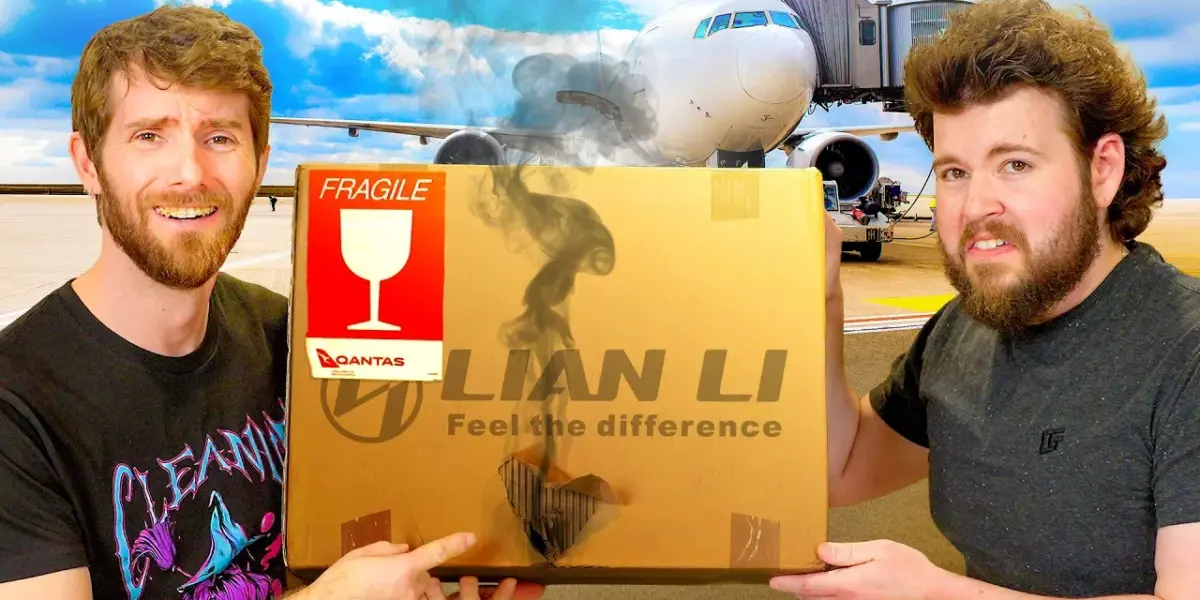
A recent incident at Adelaide Airport has highlighted the harsh realities of shipping high-value computer components. A powerful NVIDIA RTX 4090 graphics card, worth thousands of dollars, was severely damaged after a flight, leading to a dramatic unboxing and repair attempt on camera. The saga began when a user, Wade, brought his prized PC, featuring the coveted 4090, to a tech channel for assessment after it suffered damage during transit. The footage reveals a GPU that was visibly loose, with its mounting bracket completely destroyed. This raised immediate questions about how the PC was packed for the long journey.
Wade insisted he had packed the computer carefully, adding extra foam for protection. However, the presenter pointed out that the foam used was not designed for this purpose and questioned its effectiveness. The situation quickly devolved into a humorous yet concerning examination of Wade’s build choices. Alongside the high-end 4090, he had opted for cheap, small 80mm fans and a single stick of DDR5 RAM, a stark contrast that baffled the reviewer. Wade explained this was due to budget constraints, only keeping the expensive GPU because he already owned it.
The Damage Assessment and Imbalanced Build
Upon closer inspection, the extent of the damage became clear. The bracket holding the GPU in place was not just loose; it was practically obliterated. The presenter noted that the weight of the 4090, particularly its VRAM, likely contributed to the bending and eventual failure of the mounting system during the rough handling typical of air travel. Despite the visual evidence of damage, the presenter remained cautiously optimistic about salvaging the GPU, especially since the mounting brackets seemed to have absorbed some of the impact.
The build itself presented a peculiar mix of top-tier and budget components. The single stick of DDR5 RAM, coupled with a seemingly basic stock cooler on what appeared to be an AMD Ryzen 8600G APU, raised eyebrows. Wade admitted to buying the cheapest RAM he could find, highlighting a common issue where the most expensive part of a build can be undermined by cost-cutting elsewhere. The presenter even found a random nut inside the PC case, adding to the mystery and chaos of Wade’s packing and building process.
Testing and Troubleshooting Woes
The initial testing phase revealed more challenges. While the system booted into BIOS, attempts to install and run Linux proved frustratingly difficult, with multiple failed boot attempts and error messages. This contrasted sharply with the PC running perfectly fine in Windows, leading to speculation about potential driver conflicts or software issues specific to Linux. The presenter, accustomed to such tech troubles, eventually opted to install Windows on a fresh SSD to bypass the Linux woes and confirm the hardware’s functionality.
The RTX 4090, despite its ordeal, showed signs of life. After some initial hiccups and the discovery that the RGB lighting was flickering erratically, the system eventually booted into Windows. The 4090 itself appeared to be functioning without major artifacts, a testament to its robust design or perhaps sheer luck. However, the RGB issue, tied to the fan speeds and voltage pulses, highlighted another quirky problem with the build, which was eventually resolved by turning the RGB off entirely.
Who Should Care and What’s Next?
This incident serves as a cautionary tale for anyone shipping sensitive electronics, especially high-performance components like the RTX 4090. While the airline’s handling was clearly a major factor, Wade’s packing methods and the imbalanced build also contributed to the problem. For gamers and content creators who rely on powerful GPUs, understanding proper packing techniques and ensuring all components are securely mounted is crucial. Investing in specialized shipping cases or reinforced internal bracing could prevent similar costly disasters.
The story also touches upon the often-frustrating world of PC building and troubleshooting. The mix of extreme high-end and budget parts, the unexpected Linux issues, and the peculiar RGB behavior all add layers to the narrative. It underscores that even with the most powerful hardware, a well-balanced system and careful attention to detail are key to a smooth experience. While the 4090 survived, the journey highlights the vulnerabilities of even the most advanced technology when subjected to the rigors of travel and less-than-ideal assembly.
Specs & Key Features
- GPU: NVIDIA GeForce RTX 4090
- CPU: AMD Ryzen 8600G (Appears to be an APU)
- RAM: Single stick of DDR5 (Model unspecified, likely budget)
- Storage: 1TB SSD
- Cooling: Mixed, including small 80mm fans and a stock cooler
- Case: LTT Edition Case (Implied)
- Other: Heavily modified mounting brackets for GPU
Source: The Airline Killed His PC (YouTube)

Related Articles

DIY PC Build: 3D Printed Case & AMD Powerhouse
Witness an incredible DIY PC build featuring a custom 3D-printed case and the powerful AMD Ryzen 7 9800X3D CPU. The project also includes a home NAS build and a custom router table, showcasing cutting-edge technology and maker spirit.


Brazil’s Tech Market: High Tariffs, Creative Builds
Brazil's extreme import tariffs force PC builders into creative workarounds. Explore two builds showcasing how enthusiasts navigate high costs with white-label parts, salvaged components, and unique sourcing strategies. A tale of resilience and ingenuity.


Sony’s PlayStation Car Canceled, EV Market Woes Continue
Sony's ambitious PlayStation car project, Afeela, has been abruptly canceled just months before its planned release. The futuristic EV, which promised integrated gaming features, fell victim to the increasingly competitive and challenging electric vehicle market. This move highlights the tough road ahead for new entrants in the EV space.