Air Travel Chaos Tests US Security Agency’s Reach
Severe disruptions at U.S. airports, including a LaGuardia shutdown and Newark ground stop, highlight critical staffing shortages. The NTSB struggled to get personnel to an incident due to long TSA lines, revealing systemic issues impacting national security and aviation safety.

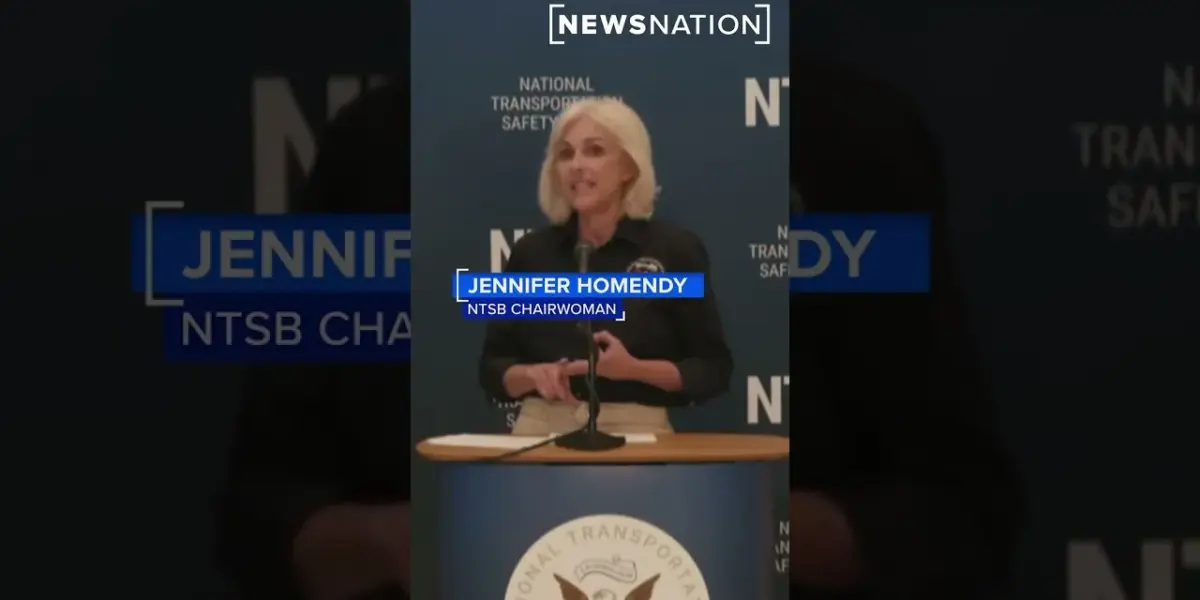
US Air Traffic Control Faces Major Staffing Crisis Amid Airport Gridlock
Severe disruptions at major U.S. airports are exposing deep cracks in the nation’s air traffic control system. Recent events at LaGuardia and Newark highlight critical staffing shortages and bureaucratic hurdles. These problems are now directly impacting the National Transportation Safety Board’s (NTSB) ability to respond to incidents.
LaGuardia Shutdown, Newark Ground Stop Signal Broader Issues
LaGuardia Airport experienced a complete shutdown, while Newark Liberty International Airport faced a ground stop. These were not isolated incidents but symptoms of a larger problem. Long lines at Transportation Security Administration (TSA) checkpoints further illustrate the strain on airport operations. These issues create a domino effect, impacting everything from passenger travel to critical safety investigations.
NTSB Struggles to Assemble Response Teams
The NTSB, the agency responsible for investigating aviation accidents, found itself in a desperate situation recently. One air traffic control specialist, vital for the NTSB’s work, was stuck in a three-hour TSA line at an airport. Officials had to contact colleagues in Houston, effectively begging them to help expedite the specialist’s passage. This shows how difficult it is for the NTSB to get its expert teams to where they are needed most. Staff are still arriving at the investigation site as of this report.
Bureaucratic Hurdles Hamper National Security Agencies
The Department of Homeland Security (DHS) also reported shutdowns, adding another layer to the national security concerns. The struggle to get essential personnel through security checkpoints points to systemic issues. It suggests that the very agencies tasked with maintaining safety and security are being hampered by their own processes. This situation raises questions about preparedness and efficiency within government operations.
Global Impact: Why This Reshapes the World Order
While this transcript focuses on U.S. domestic issues, the implications are global. Air travel is the backbone of international commerce and diplomacy. When a major hub like New York experiences such disruption, it affects global supply chains and business travel. Furthermore, the inability of a key safety agency like the NTSB to quickly deploy its teams could erode international confidence in U.S. aviation oversight. This could lead to stricter scrutiny of U.S. carriers abroad and potential trade friction. The efficiency of a nation’s infrastructure, especially its transportation network, is a direct measure of its global standing and economic strength.
Historical Context: Post-9/11 Security Measures and Modern Challenges
The current difficulties echo concerns that arose after the September 11, 2001, terrorist attacks. Increased security measures, while necessary, have often led to longer wait times and more complex procedures. The TSA was created in 2001 to consolidate aviation security. However, the current situation suggests that these measures, coupled with understaffing, are now creating bottlenecks. The NTSB, established in 1967, has always relied on rapid deployment. This recent challenge highlights a potential breakdown in the coordination between security agencies and critical operational bodies.
Economic Leverage: The Cost of Delays
Airport delays and ground stops have significant economic consequences. They lead to lost productivity, missed business opportunities, and increased costs for airlines and passengers. For the NTSB, a delayed investigation can mean a longer period of uncertainty for affected families and the aviation industry. This also impacts the reputation of airports and airlines, potentially affecting tourism and investment. The efficiency of air travel is directly tied to economic competitiveness.
Regional Alliances and Shifting Power Balances
While this event is primarily domestic, it occurs within a global context of shifting alliances and power dynamics. Nations are increasingly evaluating the reliability and efficiency of their infrastructure as a measure of national strength. If the U.S. appears unable to manage its own critical transportation hubs and safety agencies effectively, it could embolden rivals or lead allies to seek more stable partnerships elsewhere. The smooth functioning of air travel is a quiet but potent indicator of a nation’s stability and capability on the world stage.
Future Scenarios: Addressing the Crisis
Several scenarios could unfold. One is that the government addresses the staffing and procedural issues, leading to improved airport operations and NTSB response times. Another is that the problems persist, leading to continued disruptions and potential international repercussions for U.S. aviation. A third scenario involves significant investment in technology and personnel to modernize the system. The likelihood of each depends on political will and the perceived urgency of the crisis.
Source: NTSB had to be 'beg' to get staff to LaGuardia crash amid airport delays (YouTube)

Related Articles
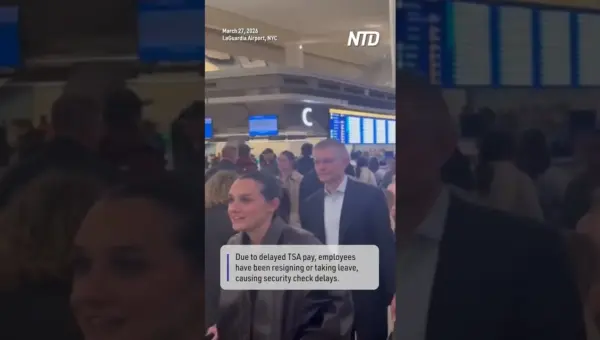
TSA Staff Cuts Create Airport Chaos for Travelers
Recent TSA agent shortages, fueled by a government shutdown and delayed pay, have caused significant delays and long security lines at major airports. This situation highlights the critical role of TSA staff and the impact of funding issues on essential services.
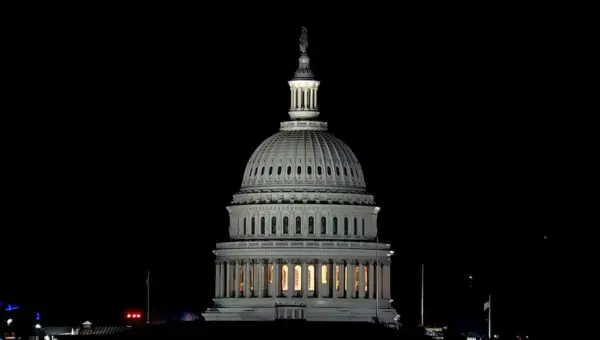
House Funds DHS, But Senate Deal Unlikely Amid Shutdown
The House of Representatives has passed a bill to fund the Department of Homeland Security, but the measure is unlikely to pass the Senate. TSA workers, who have faced missed paychecks and disruptions, may receive some pay soon due to a presidential order, but the broader shutdown continues.
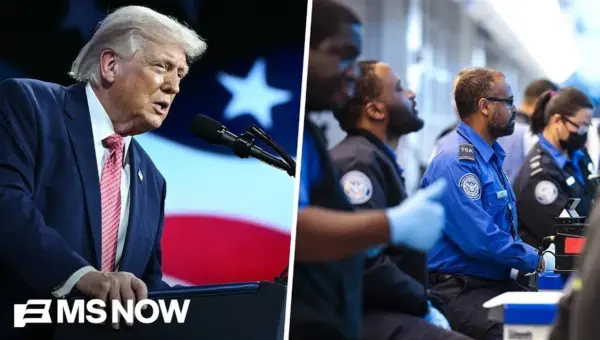
TSA Workers Paid as Congress Remains Divided on Funding
TSA workers are set to receive paychecks thanks to a presidential memo, bypassing a divided Congress. Meanwhile, a bipartisan Senate deal to fund the Department of Homeland Security was rejected by House Republicans, who are now pushing their own stopgap bill. The ongoing stalemate highlights deep political divisions and raises concerns about the government's ability to function effectively, impacting essential services and public confidence.