Air Strikes Alone Won’t Topple Iran’s Regime
Israel's targeted killings of senior Iranian officials raise questions about their effectiveness in achieving regime change. Experts suggest these strikes may be solidifying hardline power and that the IRGC remains the core of the regime, making air campaigns alone insufficient for lasting transformation. The conflict's trajectory also involves risks like civilian casualties and the targeting of vital oil infrastructure.

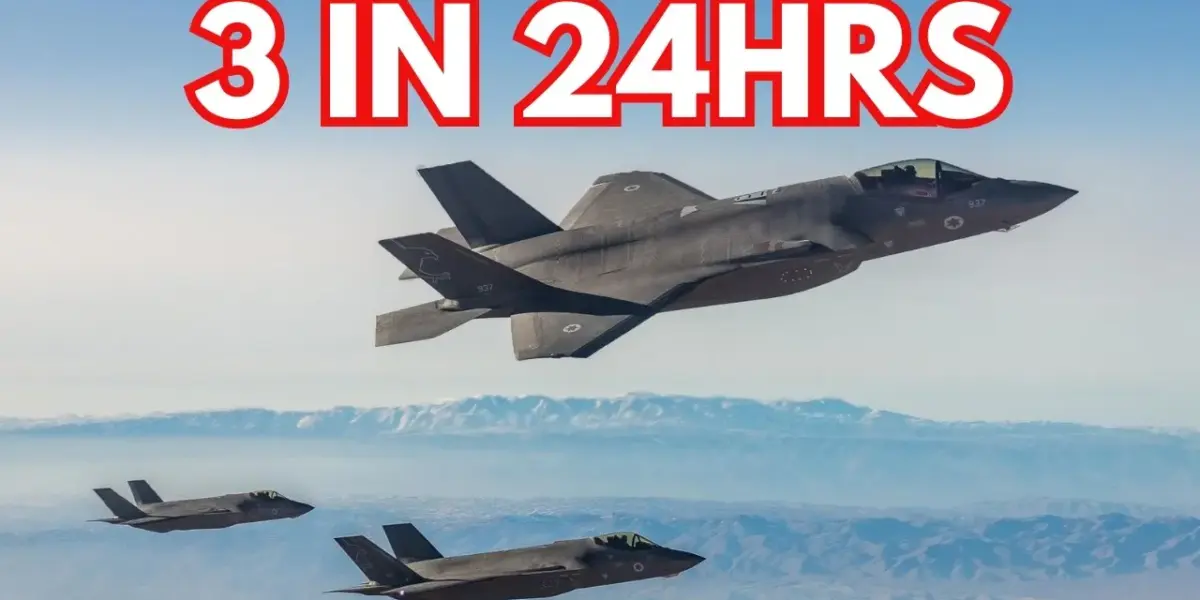
Israel’s Strikes Target Iran’s Leaders, But Will It Cause Regime Change?
The idea of changing a country’s government just by bombing it from the air is a big question right now. Israel has been taking out senior Iranian officials quickly, leading many to wonder if this strategy can truly lead to regime change in Iran. However, there are concerns that these actions might actually be strengthening the power of even more hardline elements within the government.
In a very short period, Israel eliminated three important figures in Iran. One of the most significant was Ali Larijani. Israel says that after the death of a previous leader, Larijani acted as the head of the Iranian regime. He was a long-time official, serving as the secretary of the Supreme National Security Council and acting as the de facto leader. His funeral was recently held, with supporters showing their allegiance.
Another official killed was Brigadier General Soleimani. He led the Besij unit for six years. This unit is often described as a secret police force that cracks down on protesters and has a history of violence. The Besij unit was under Soleimani’s command, and it’s considered the regime’s main tool for repression. He is believed to have played a major role in the violent suppression of protests in Iran, including the killing of many civilians.
Just hours before the broadcast, confirmation came that Iran’s Minister of Intelligence, Esmail Ghaani, was also eliminated. Israel claims he oversaw the intelligence ministry, a key organization responsible for repression and terror. He is said to have directed attacks and killings of protesters, especially during recent internal demonstrations and the hijab protests. He also allegedly led terrorist activities against Israeli and American targets worldwide.
Israel’s Strategy vs. US Approach
These actions show that Israel has a deep understanding of Iran’s security forces. The fact that Israel can locate and strike these individuals, even after they have changed locations and security measures, is remarkable. It highlights a difference in strategy between the US and Israel. The US is more focused on Iran’s military capabilities, targeting missile storage and launchers, as well as its air and naval forces.
Israel, on the other hand, is going after mobile launchers and senior leadership. They have also started targeting Besij checkpoints across Iran. These strikes often use smaller munitions, suggesting a focus on precision. The goal might be to weaken the Besij, the group that stands in the way of the Iranian people rising up.
Can Air Strikes Spark Uprising?
The hope could be that by removing the Besij’s control, the Iranian people might be able to take over checkpoints, seize weapons, and challenge the regime. However, achieving regime change through air strikes alone is a difficult prospect. There’s also a risk of civilian casualties when strikes hit checkpoints in populated areas. If external forces cause civilian deaths, it can turn public support against them, as seen in the Iraq War.
A report from the Hudson Institute suggests that Iran’s government might be consolidating power instead of collapsing. After the death of the Supreme Leader, the political system quickly closed ranks. A swift succession process put the Supreme Leader’s son in charge, and hardline factions, particularly the IRGC (Islamic Revolutionary Guard Corps), have become more dominant. This could lead to a government structure similar to Russia after the Soviet Union’s collapse, Syria under Assad, or North Korea.
The IRGC: The Core of the Regime
Such a scenario would be problematic, especially for global trade routes like the Strait of Hormuz. The report emphasizes that eliminating leaders is not enough to dismantle the system. The IRGC, as an institution, is the core that holds the Islamic Republic together. Its command networks, control over the state, and dominance over the military are crucial.
History shows that taking out leaders of groups like Hezbollah or Hamas doesn’t destroy the organizations themselves. While these groups may be weakened, they continue to exist. This raises concerns that simply eliminating Iranian leaders may not lead to the desired change within Iran.
Targeting Oil Infrastructure: A Risky Move
Another aspect of the conflict is the targeting of Iran’s oil infrastructure. Israel has hit some of these facilities, causing significant environmental damage. The US, however, seems to be avoiding targeting oil facilities, fearing that it could lead to a failed state unable to sustain itself. Rebuilding such infrastructure would take years and massive investment.
Iran has responded to these attacks by threatening and carrying out strikes on oil installations in Saudi Arabia, the UAE, and Qatar. These attacks, often using drones and missiles, have sometimes succeeded in hitting targets, even after Iran announced its intentions. This suggests potential weaknesses in air defense systems in the region, possibly due to a shortage of interceptors or prioritizing targets.
Iran seems to be waging an asymmetric war, targeting softer infrastructure like oil fields and port facilities. The fact that Iran can announce its targets and then hit them raises concerns about the ability of allies in the Gulf to defend themselves effectively. This tactic allows Iran to prolong the conflict, as even a small number of successful drone or missile strikes can cause significant damage.
The Road Ahead
As Israel and the US continue to target senior officials and checkpoints, the possibility of the Iranian people rising up remains uncertain. The current strategy faces challenges, and the risk of creating a more entrenched hardline regime or a destabilized failed state is significant. The long-term implications of these actions and Iran’s response will shape the future of the region.
Source: Israel Takes Out 3 Iranian Leaders Fast (YouTube)

Related Articles

US Strikes Cripple Iran’s Military Might, CENTCOM Reports
U.S. Central Command reports ongoing strikes inside Iran are significantly weakening its military power. This direct action aims to reshape regional security dynamics, but carries risks of escalation. The long-term impact depends on Iran's response and ability to adapt.


Iran Targets US With Cyberattacks, Escalating Digital Warfare
Iran is increasingly using cyberattacks to challenge the U.S., as seen in a recent hack of the FBI director's account. Experts say this is a strategic shift due to Iran's limitations in conventional warfare. The U.S. needs to strengthen its digital defenses, focusing on encryption and cloud computing, rather than solely relying on traditional security measures.

Iran Hacks FBI Chief, Exposing U.S. Cyber Vulnerabilities
A recent hack of FBI Director Kash Patel's personal email by an Iran-linked group highlights Iran's growing cyber threat to the U.S. Experts explain how simple security oversights are exploited, emphasizing the need for basic defenses like two-factor authentication to protect against propaganda and potential infrastructure attacks.