AI Lies Flood War Zones, Monetizing Deception Online
AI-generated fake videos and images are spreading rapidly during conflicts, not just for propaganda but also for financial gain. Social media platforms are implementing new rules to combat this, but the challenge of distinguishing truth from fiction is growing.


AI Lies Flood War Zones, Monetizing Deception Online
Fake videos and images are spreading rapidly online, especially during times of conflict. What was once used just to sway opinions or boost morale is now becoming a way for some people to make money. This new tactic is making it harder for people to know what’s real and what’s not.
During conflicts like Operation Epic Fury, made-up media is shared everywhere. It’s not just for spreading false information to the world or making supporters feel good. The speed at which these fake stories travel has turned them into a source of income for those who post them. People who follow war news closely often share updates with everyone they know. But they have to constantly check if the photos and videos are real or fake.
For example, a post might claim, “Confirmed, the aircraft carrier Abraham Lincoln was bombed with Iranian missiles.” When someone sees this, they might share it. Then, they have to do extra work to find out if it’s true. If it’s fake, they then have to post again, warning others. This warning itself helps the original fake post spread even more, creating a confusing cycle.
One person who studies these fake reports, an open-source intelligence analyst, has been busy exposing these lies. In just one day, this analyst might share 10 to 15 fake images and videos. This shows how much false information is being pushed out all the time.
Social Media’s Role in the Spread
Social media platforms are struggling to keep up. X, formerly known as Twitter, has announced new rules for its program that pays creators. The head of product at X stated that starting now, users who post AI-generated videos of armed conflict without clearly marking them as fake will lose their ability to earn money for 90 days. Repeat offenders will be permanently banned from the program.
This policy change aims to stop the spread of AI-generated propaganda. However, it’s not just new AI fakes causing problems. Many old photos and videos are also being re-shared and made to look like they are from current events. This reuse of old content adds another layer of confusion for viewers trying to understand what is happening in real-time.
Why This Matters
The spread of AI-generated misinformation during conflicts has serious consequences. It can influence public opinion, potentially affecting political decisions and even the outcome of wars. When people can’t trust the information they see, it erodes faith in media and institutions. This makes it harder to have informed discussions about important global events. It’s like trying to build a house on shaky ground; if the foundation of information is unreliable, everything built upon it becomes unstable.
Historical Context and Trends
Propaganda and the use of manipulated media are not new. Throughout history, governments and groups have used posters, radio, and film to influence people during wartime. Think of the propaganda posters from World War II, designed to create strong emotions and shape public support. What’s different now is the speed and scale at which AI can create and spread fake content. Before AI, creating convincing fake videos was difficult and expensive. Now, anyone with the right tools can generate realistic-looking fake content quickly and cheaply.
The rise of AI means that distinguishing between real and fake is becoming more challenging. This trend is not limited to war zones; it affects news, politics, and even personal relationships. As AI technology advances, we can expect even more sophisticated fake content to emerge. This makes the need for critical thinking and media literacy more important than ever.
Future Outlook
The battle against AI-generated disinformation is ongoing. Social media platforms are trying to implement better detection tools and clearer policies. However, those who spread fake news are constantly finding new ways to bypass these measures. The development of AI detection software is a race against AI creation tools. As AI gets better at making fakes, AI also needs to get better at spotting them.
It’s likely that we will see a continued push for greater transparency online. This could involve watermarking AI-generated content or developing stronger verification processes. For individuals, the key will be to approach online information with a healthy dose of skepticism. Always question the source, look for corroborating evidence from trusted outlets, and be aware that what you see might not be real. The ability to discern truth from fiction in the digital age is becoming a vital skill for navigating our complex world.
Source: A.I. War Lies Are Spreading Faster Than The Truth (YouTube)

Related Articles

Pentagon Closes Media Office Amid War, Sparks Outcry
The Pentagon has closed its media offices, sparking outrage from journalists and critics who see it as an attempt to evade a recent court ruling. The move comes as the U.S. is engaged in a war, raising concerns about transparency and public access to information. Separately, a special election in Florida saw a Democrat win in Donald Trump's home district, signaling a political rebuke.
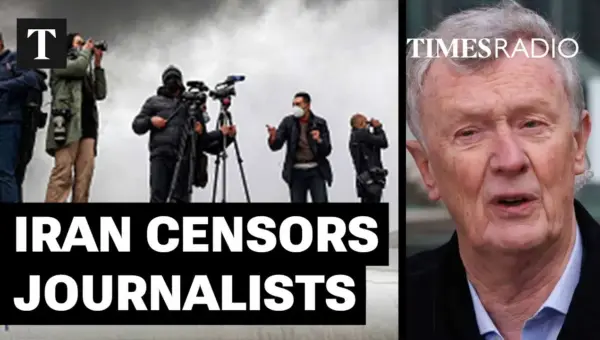
Iran War Reporting: How Authorities Control the Narrative
Iran is heavily controlling war reporting, limiting foreign media to fixed positions and preventing street-level access. This mirrors past conflicts where authorities managed information flow, contrasting with the extensive coverage of the first Gulf War.
Trump’s Disinformation Outrage Exposes Hypocrisy, Fuels AI Fears
Former President Trump's public condemnation of Iran's disinformation tactics is met with sharp criticism for its hypocrisy, given his own history of spreading falsehoods. The analysis delves into the rising threat of AI-generated disinformation in politics and its implications for democratic discourse.