AI Giant Anthropic Sues Pentagon Over National Security Label
AI leader Anthropic is suing the Trump administration, alleging an "unlawful campaign of retaliation" after the Pentagon labeled the company a national security risk. The lawsuits stem from a dispute over the use of Anthropic's AI systems by the military. The White House has stated that President Trump will not allow any company to jeopardize national security.

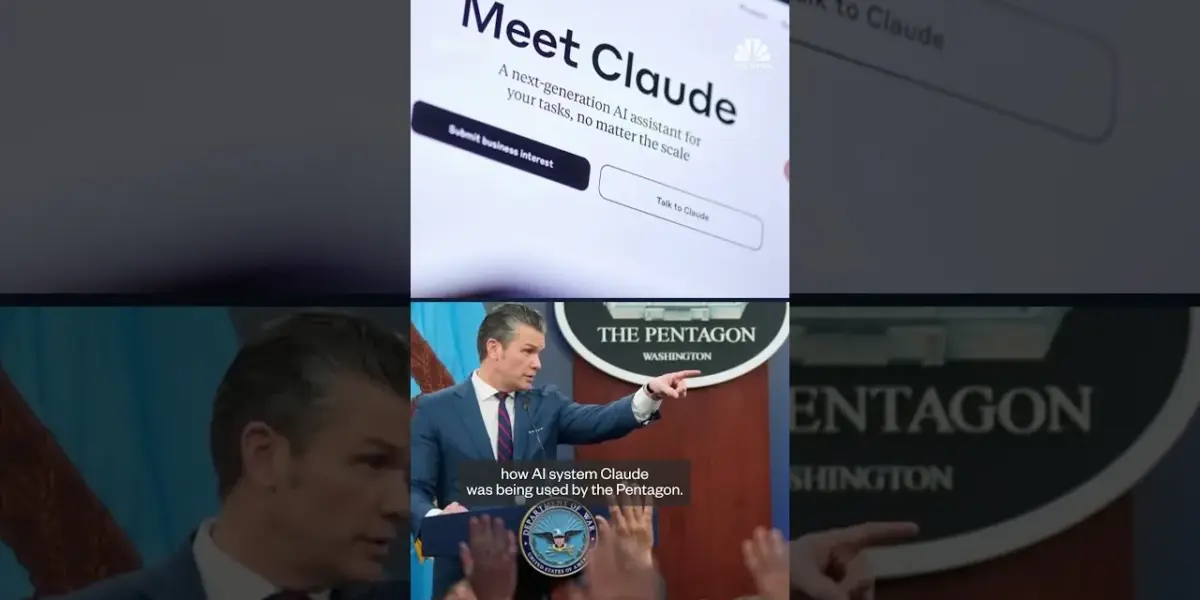
Anthropic Files Lawsuits Against Trump Administration Over Pentagon AI Dispute
Artificial intelligence leader Anthropic has filed two lawsuits against the Trump administration, alleging an “unlawful campaign of retaliation” after the Pentagon designated the company a national security risk. The legal action stems from a dispute over the use of Anthropic’s AI systems by the military, with the company asserting its rights have been violated.
Pentagon’s National Security Designation Sparks Legal Battle
The controversy ignited last week when the Pentagon, under the directive of the Trump administration, classified Anthropic as a national security risk. This designation followed a meeting between Anthropic representatives and Pentagon officials to discuss the deployment and oversight of AI technologies within the military. Anthropic contends that this move is a direct response to their engagement with the Pentagon and a retaliatory measure designed to stifle their operations.
“The two lawsuits claim it’s all quote an unlawful campaign of retaliation.”
The company’s legal challenge asserts that the administration’s actions are not only unfounded but also an illegal attempt to control the narrative and operations surrounding AI in national defense. Anthropic, known for its work on advanced AI models like Claude, has been a significant player in the AI development space, and its designation as a security risk has sent ripples through the tech and defense sectors.
White House Responds: National Security Paramount
In response to the lawsuits, the White House issued a strong statement defending the administration’s stance. A spokesperson declared, “President Trump will never allow a radical left woke company to jeopardize our national security by dictating how the greatest and most powerful military in the world operates.” This statement frames the dispute as a ideological battle, pitting the administration’s vision of national security against what it perceives as a progressive agenda influencing critical defense infrastructure.
The administration’s rhetoric suggests a deep-seated concern that companies with certain ideological leanings might compromise the effectiveness or security of the U.S. military. The mention of a “radical left woke company” indicates a political framing of the issue, potentially aimed at galvanizing a specific voter base while simultaneously discrediting Anthropic’s influence within defense circles.
The Core of the AI Dispute: Control and Oversight
At the heart of the conflict lies the question of how advanced AI systems should be integrated into military operations and who should have the ultimate authority over their use. Anthropic, like other AI developers, has emphasized ethical considerations and safety protocols in its AI development. The Pentagon, conversely, is focused on leveraging AI for strategic advantage and operational superiority, potentially leading to differing views on risk assessment and deployment timelines.
The specific details of the AI system in question and the nature of the dispute over its use remain somewhat guarded due to national security implications. However, the lawsuits suggest that the disagreement may involve Anthropic’s attempts to ensure responsible AI deployment and the Pentagon’s insistence on unfettered access and control. The company’s legal team is likely arguing that the national security designation is a pretext to silence legitimate concerns or exert undue influence over a private sector technology provider.
Broader Implications for AI in Defense
This legal confrontation between a leading AI firm and the U.S. government has significant implications for the future of artificial intelligence in national defense. It highlights the complex interplay between technological innovation, governmental oversight, and political considerations. The case could set precedents for how AI companies engage with the military and how national security concerns are balanced against commercial interests and ethical imperatives.
The dispute also underscores the growing importance of AI in modern warfare and the challenges associated with its rapid integration. As nations increasingly rely on AI for intelligence gathering, cybersecurity, autonomous systems, and strategic planning, disagreements over control, ethics, and security are likely to become more common. The outcome of Anthropic’s lawsuits could influence regulatory frameworks, industry best practices, and the overall trajectory of AI development for defense purposes.
What’s Next in the AI Legal Battle?
The legal proceedings are expected to be closely watched by the technology industry, defense contractors, and policymakers alike. The lawsuits will likely involve extensive legal arguments concerning national security classifications, the definition of a national security risk, and the boundaries of executive power. Anthropic’s ability to demonstrate that the Pentagon’s actions constitute unlawful retaliation will be crucial to their case. Meanwhile, the administration will likely focus on reinforcing its national security justifications. The coming months will reveal how these complex issues are adjudicated and what impact the ruling will have on the burgeoning field of military AI.
Source: Anthropic sues Trump admin over Pentagon AI dispute (YouTube)

Related Articles

Trump to Dictate Iran War’s End, Defense Secretary Says
Defense Secretary Pete Hegseth indicated that President Trump will ultimately decide the end of the ongoing conflict with Iran. As the war enters its 11th day with intensified strikes, questions about U.S. objectives and duration persist.


Oracle’s $300B OpenAI Deal Fuels AI Ambitions, Faces Funding Hurdles
Oracle's ambitious $300 billion cloud deal with OpenAI has propelled its stock to new heights and positioned it as a major AI infrastructure player. However, significant capital requirements, potential debt burdens, and evolving competition raise questions about the long-term sustainability of its AI-driven strategy.


US Escalates ‘Epic Fury’ Strikes Against Iran
The U.S. has intensified Operation Epic Fury with its most significant strikes inside Iran to date, targeting missile stockpiles, naval capabilities, and nuclear ambitions. Officials described the operation as decisive, efficient, and a stark departure from previous prolonged conflicts.