AI Fears Drive Women to High-Paying Skilled Trades
As AI sparks fears of white-collar job losses, women are increasingly finding stable, high-paying careers in skilled trades. Despite persistent barriers, this demographic shift offers significant economic opportunities and helps address critical labor shortages.

AI Fears Drive Women to High-Paying Skilled Trades
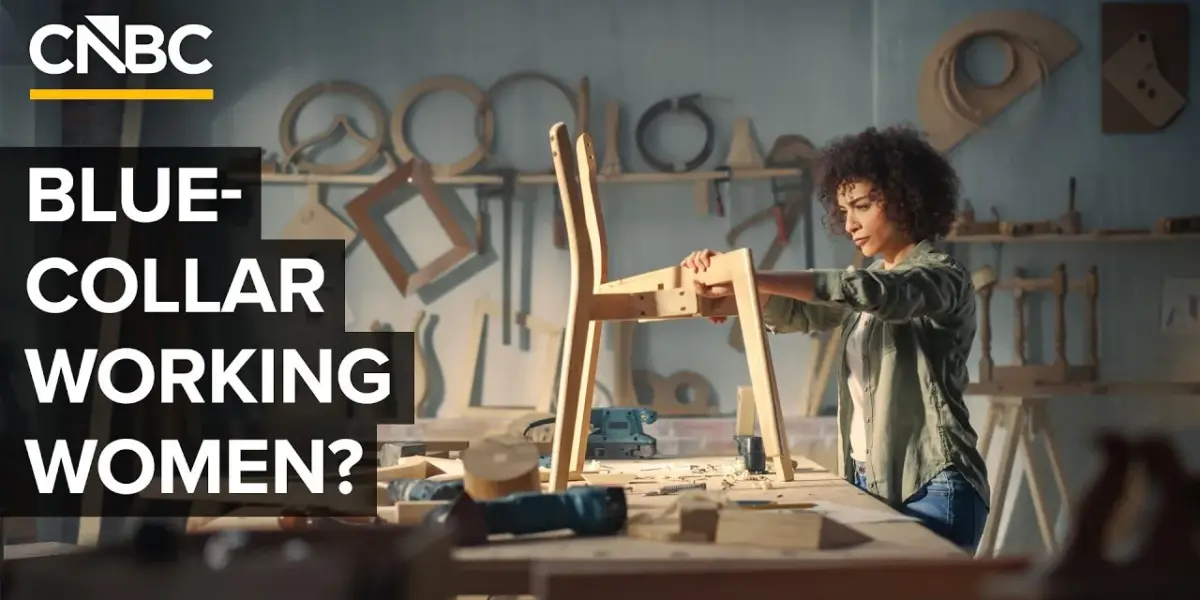
As corporate America grapples with widespread layoffs, sparking fears of an impending AI-driven white-collar recession, a significant demographic shift is unfolding in the blue-collar sector. Skilled trades, perceived as largely “AI-proof,” are emerging as a beacon of opportunity, particularly for women, offering job stability, rising wages, and the potential to narrow the gender pay gap.
While the specter of artificial intelligence looms over white-collar professions, the demand for human-centric skills in industries like construction, electrical work, and plumbing is intensifying. These fields, inherently reliant on manual dexterity, problem-solving, and on-site execution, are less susceptible to automation. Experts emphasize that the essence of these trades lies in human interaction and adaptability, qualities that robots cannot replicate.
A Growing Gap in Skilled Labor
Compounding the AI-driven economic anxieties is a critical shortage of skilled tradespeople in the United States. An aging workforce is retiring from these fields in large numbers, creating a substantial labor deficit. Major industries are struggling to find qualified workers, a situation that presents a unique window of opportunity for segments of the population historically underrepresented in these roles.
“A robot’s never going to be able to do what we do. Trade jobs are never going to be technology based. They’re going to be human based.”
This labor shortage is particularly pronounced in sectors like construction, which is projected to need an estimated 350,000 new workers in 2026 and 456,000 in 2027 to meet demand. The economic impact of this skilled labor deficit in the home building sector alone is estimated at a staggering $10.8 billion.
Women Enter the Trades: A Statistical Snapshot
For women, this confluence of factors—AI-driven job insecurity in other sectors and a booming demand for skilled labor—translates into significant opportunities for employment growth and increased earning potential. While women have been steadily entering trades over the past two decades, their representation remains low. In 2025, women constituted just 3.5% of electricians and 3.1% of both carpenters and plumbers in the U.S. However, the number of women in carpentry has seen a notable increase of 17% over the last two decades.
The financial incentives are substantial. Average starting wages for skilled trade workers experienced robust growth, increasing by over 25% between 2019 and 2024, with some gains outpacing inflation. This financial uplift is a powerful draw, especially for those seeking economic stability and a viable path to financial independence.
The Appeal of Stability and Security
Many women are turning to the trades as a second career, seeking the economic stability that often eludes them in other professions. Organizations like Chicago Women in Trades provide hands-on training, equipping women with the necessary skills for careers in construction and other skilled trades. Participants frequently highlight the inability to adequately support their families on wages earned in previous roles.
The unionized construction trades, in particular, offer a compelling package: high wages, comprehensive health benefits, and robust pension plans—a rarity in today’s job market. Crucially, these careers often come without the substantial debt burden associated with a four-year college degree. Many individuals who pursued traditional higher education and found themselves underemployed or unable to secure jobs in their fields are now successfully transitioning into skilled trades.
“It is the economic stability that’s offered in the union construction trades with very high wages, a great pension, which is rare these days, health benefits, all of those great things. And without the debt that comes from getting a four-year or two-year degree at a college.”
Barriers Remain Despite Opportunities
Despite the burgeoning opportunities, women continue to face significant barriers to entry and advancement in many blue-collar fields. Underrepresentation is a persistent issue, with many women entering trades as the sole female employee in their department or on their worksite. Some women report being steered towards office roles rather than the hands-on field positions they trained for, suggesting lingering gender-based biases.
Access to work hours and opportunities can be a hurdle, with women sometimes being the first laid off during slowdowns and the last to be rehired. Furthermore, a disproportionate experience of harassment and discrimination on construction sites remains a critical challenge. This can impede the acquisition of a broad base of skills, as apprentices may not receive the same comprehensive training as their male counterparts.
The departure of a fellow female technician can be particularly impactful, as it removes a source of camaraderie and shared experience. However, many women find that by demonstrating their competence and dedication, they can earn respect and build strong professional relationships. The narrative of earning respect through hard work and commitment is a recurring theme among women thriving in male-dominated trades.
Market Impact and Investor Considerations
The influx of women into skilled trades is not merely a social development; it has significant economic implications. Dismissing 50% of the potential workforce means failing to address the critical labor shortages effectively. Initiatives like the Biden administration’s Million Women in Construction Community Pledge aimed to increase women’s access to training, jobs, and leadership roles, although recent political shifts may impact the momentum of such programs.
Economically, empowering women through well-paying, stable careers in the trades can stimulate broader economic growth. Women’s discretionary spending has often outpaced men’s in recent years, driving overall U.S. spending growth, a key component of Gross Domestic Product (GDP). By enabling women to achieve financial security, including the ability to purchase homes and earn six-figure incomes within years of training, the economy benefits from increased consumer spending and investment.
The long-term success of this trend hinges on creating inclusive environments where women can not only enter the trades but also build sustainable careers and ascend to leadership positions. Addressing systemic barriers related to bias, harassment, and unequal access to opportunities is crucial for retaining talent and fully realizing the economic potential of a more diverse skilled workforce.
What Investors Should Know
- Labor Shortage Dynamics: The persistent shortage of skilled labor, exacerbated by an aging workforce and increasing demand, creates sustained opportunities in sectors like construction, manufacturing, and utilities.
- Demographic Shifts: The increasing participation of women in these traditionally male-dominated fields is a crucial factor in meeting labor demands and fostering economic growth.
- Wage Growth Potential: Skilled trades offer competitive and often rapidly increasing wages, providing a strong financial incentive and a path to economic security, potentially outpacing inflation and traditional career trajectories.
- Reduced Education Debt: Careers in the trades offer a pathway to high earnings without the significant student loan debt associated with a four-year college degree, making them an attractive option for financial planning.
- Societal Impact: Women’s economic empowerment through higher-paying jobs contributes to increased consumer spending, which is a significant driver of overall economic activity and GDP.
Source: How AI Is Pushing More Women Into Blue-Collar Careers (YouTube)

Related Articles


Private Credit Faces Crisis as Defaults Loom
Private credit markets are facing a significant crisis as default rates approach COVID-era peaks, prompting major firms to restrict investor withdrawals. Rising interest rates and the disruptive impact of AI on software companies are key drivers of this downturn, raising concerns about broader economic stability.


Unemployment, Affordability Threats Loom Over Real Estate
Rising unemployment, driven by AI and economic shifts, coupled with persistent housing affordability issues, presents the most significant threats to the real estate market. Experts warn of potential recession and a growing renter nation, while investors eye opportunities amidst market disruption.


Governor Pritzker Fights Back Against Election Threats
Illinois Governor JB Pritzker details his efforts to safeguard elections against potential interference and outlines a forward-looking agenda for the Democratic Party, emphasizing core values, housing affordability, and the challenges posed by AI.