AI Ethics Clash: US Military Use Sparks User Backlash
A significant user backlash against AI applications like ChatGPT has erupted following revelations of their use in US military operations, sparking a debate over AI ethics and privacy. Users are uninstalling apps and flocking to alternatives like Claude, which has stronger stated ethical guardrails. The controversy highlights the growing public concern over how user data trains AI used in conflict.

AI Guardrails Tested as US Military Contracts Spark Outrage
A fierce debate over the ethical use of artificial intelligence in warfare and surveillance has erupted, leading to significant user backlash against leading AI developers. The controversy centers on the US government’s use of AI tools, particularly in sensitive operations, and the perceived erosion of safety guardrails and user privacy. This has resulted in a surge of uninstalls for popular AI applications and a dramatic shift in user preference, highlighting the growing public concern over the unchecked deployment of AI.
Anthropic’s Stance and the Initial Conflict
The conflict began with AI developer Anthropic, known for its AI model Claude. Anthropic had established two critical “red lines” regarding the use of its technology by the US government: a strict prohibition on mass domestic surveillance and a mandate for human oversight in any AI-controlled weaponry. These principles placed Anthropic on a direct collision course with the policies of the Trump administration, which reportedly ordered federal agencies to cease using Anthropic’s services.
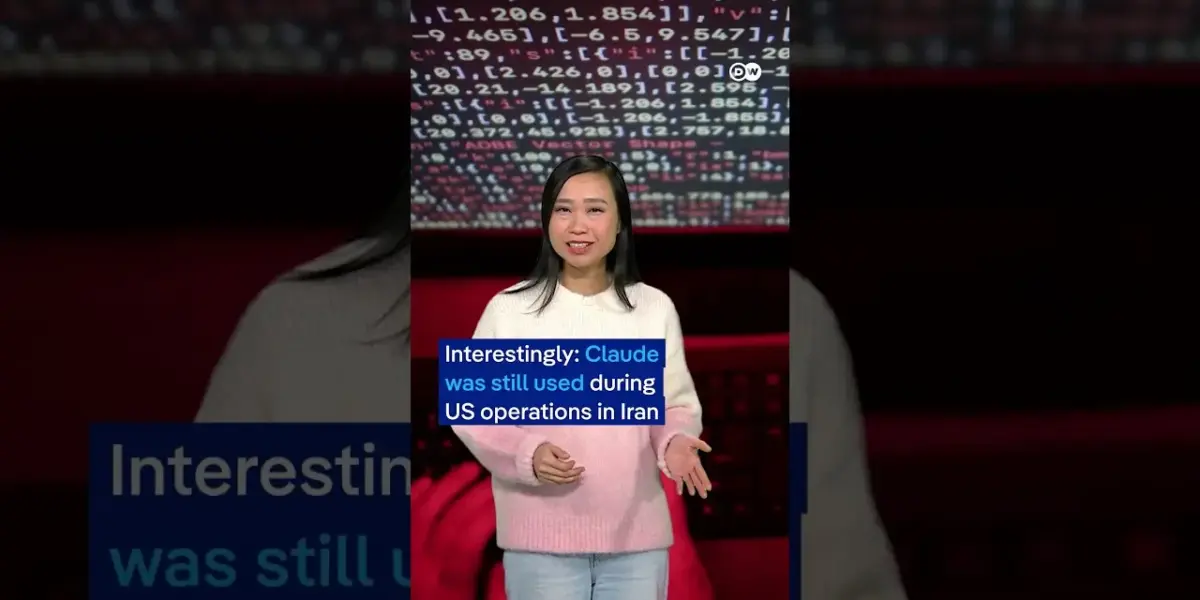
Despite this directive, reports suggest that Claude was still utilized during sensitive US operations concerning Iran. This apparent contradiction raised questions about the enforceability of ethical guidelines when national security interests are perceived to be at stake.
OpenAI’s Deal and the ‘Cancel ChatGPT’ Movement
The situation escalated when OpenAI, the creator of ChatGPT, entered into an agreement with the US military. Details of the deal suggest it came with significantly fewer restrictions compared to Anthropic’s initial stance. This move triggered immediate and widespread condemnation from the AI community and the general public. The hashtag “CancelChatGPT” trended globally on social media platforms, reflecting a profound user distrust.
The backlash was palpable, with data indicating a staggering increase in uninstalls of ChatGPT in the United States. Reports noted a nearly 300% surge in uninstalls within a single day following the news of the OpenAI deal. In contrast, many users sought alternatives, with Anthropic’s Claude experiencing a surge in popularity. This shift saw Claude climb to the number one position in app store rankings, demonstrating a clear user preference for AI models perceived to have stronger ethical frameworks.
Developers’ Response and the Broader Implications
In the wake of the public outcry, OpenAI has stated its commitment to meeting the Pentagon’s needs while simultaneously maintaining safeguards. However, the incident has illuminated a critical tension between the rapid advancement and deployment of AI technologies and the ethical considerations that must accompany them, especially in the context of modern conflict.
The real question is, if AI is shaping modern conflict, what responsibility do users have when choosing the apps that train on their data? This question cuts to the core of data privacy and the power wielded by AI developers.
The core issue revolves around the data used to train these powerful AI models. Users provide vast amounts of personal information through their interactions with AI applications. When these applications are subsequently used by military or intelligence agencies, the data contributed by ordinary users could indirectly inform or be utilized in operations that raise serious ethical concerns. This raises profound questions about informed consent, data ownership, and the accountability of both AI developers and their government clients.
The Future of AI Ethics in Warfare
As artificial intelligence becomes increasingly integrated into military strategy and operations, the ethical dilemmas are only set to intensify. The recent user revolt serves as a powerful signal to AI developers and policymakers that public scrutiny is high and that ethical considerations cannot be an afterthought. The challenge lies in establishing robust, transparent, and internationally recognized frameworks for AI development and deployment, particularly in areas with the potential for lethal consequences.
Moving forward, the focus will likely be on the ongoing negotiations between AI companies and governments, the effectiveness of self-imposed guardrails versus regulatory mandates, and the extent to which user-driven actions can influence corporate behavior. The battle for ethical AI is far from over, and the decisions made today will shape the future of technology and its impact on global security and human rights.
Source: The battle for ethical AI at war | DW News (YouTube)

Related Articles


US Missile Stockpiles: A Deep Dive into Realities
Recent concerns about US missile shortages are complex. Analyst Colby Bodwis clarifies that while defensive interceptors face constraints, offensive munitions are less critical. The core issue lies in historical underfunding and the need for sustained investment to boost long-term production capacity.

OpenAI’s GPT-5.4 Cracks White-Collar Tasks, Blurs Industry Lines
OpenAI's latest GPT-5.4 model shows remarkable performance in white-collar tasks, outperforming humans in 70.8% of benchmark tests. The update also highlights advancements in autonomous software development and AI self-correction, while raising ethical questions regarding military applications and the nuanced landscape of AI safety.


OpenAI Debuts GPT-4.5 Turbo, Enhancing Chatbot’s Nuance
OpenAI has launched its advanced GPT-4.5 Turbo model, offering more nuanced and human-like interactions. The update also includes improved Google Drive integration for ChatGPT Projects, enhancing contextual understanding. Meanwhile, Anthropic's Claude Co-Work adds task scheduling, and Google refines its AI tools with consolidated apps and the efficient Gemini 3.1 Flash model.