AI Denies Medicare Patients Crucial Care, Lawmakers Warn
A new AI program called WISER is causing significant delays and denials for essential medical services for Medicare patients. Critics warn that the system, which aims to cut costs, is actually harming vulnerable individuals and that private companies may profit from denying care. The program is currently in six states with plans for nationwide expansion.

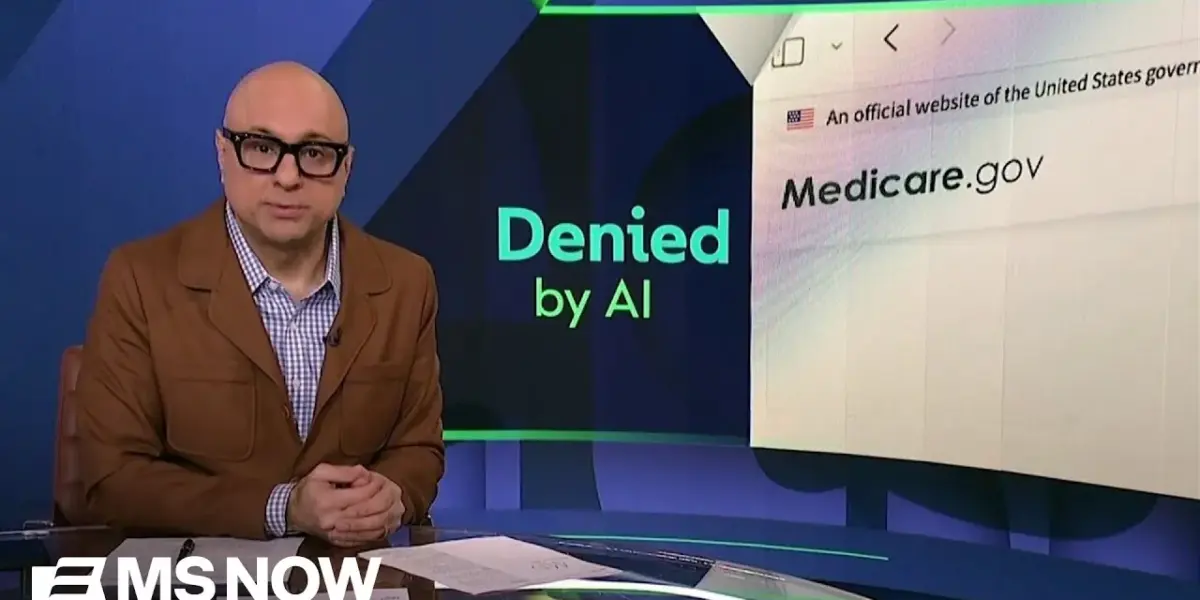
AI System Denies Vital Medical Care to Medicare Patients
A new program using artificial intelligence is causing significant delays and denials for essential medical services for Medicare beneficiaries in several states. Launched by the Centers for Medicare and Medicaid Services (CMS), the program, known as WISER (Wasteful and Inappropriate Service Reduction Model), aims to cut costs by identifying unnecessary care. However, critics argue it is disproportionately harming vulnerable patients, particularly those with chronic pain and serious illnesses.
How the WISER Program Works
The WISER program employs AI and machine learning technologies to review a select list of medical services. CMS states these services are most prone to fraud, waste, and abuse. The agency believes these advanced tools can help reduce spending on unnecessary treatments. Essentially, patients seeking certain procedures now face an additional hurdle: approval from a third-party tech company before treatment can begin.
“Patients seeking certain medical services now have to wait for a third-party tech company to give them the green light before they can get treatment. The wait for approval can be long and disruptive.”
Concerns Over Patient Disenfranchisement
Technology journalist Jacob Ward, author of “The Loop: How AI Is Creating a World Without Choices and How to Fight Back,” expressed serious concerns about the program. He explained that while AI has incredible potential in areas like medical research and diagnostics, its application in healthcare bureaucracy can go very wrong. Ward likened the WISER program to past instances where welfare systems were used for large-scale experimentation on powerless populations. He noted that such systems often fail because the people involved cannot easily push back against automated decisions.
Incentive Mismatch and Profit Motives
A key issue highlighted by Ward is an incentive mismatch. Private companies developing systems like WISER are often paid more based on the number of denials their systems issue. This creates a financial motivation to deny care rather than to correct errors. “The private companies that make systems like Wiser typically are paid more for the number of denials their system issues so they are incentivized not to fix those kinds of mistakes because they make more money off of it,” Ward stated.
Impact on Vulnerable Populations
Medicare primarily serves Americans aged 65 and older, a group more likely to face serious illnesses and chronic pain. For these individuals, timely medical care is crucial. Yet, the WISER model, currently active in Arizona, New Jersey, Ohio, Oklahoma, Texas, and Washington, is reportedly causing significant delays. Treatments that once took days to approve are now being delayed for weeks or months, or denied outright. Patients have described these delays as “robbing them of their quality of life.”
Lawmakers Raise Alarm Bells
Democratic Congresswoman Becca Balint of Vermont has been vocal about the program’s potential harm. She criticized the decision to use AI for determining the necessity of medical procedures, warning that for-profit companies could profit from denying care to seniors and working people. “He decided they should curb waste by letting the government use A.I. to decide if your medical procedure is really necessary,” Balint said, referring to CMS Administrator Dr. Mehmet Oz. She added, “That means for-profit companies will use bots to deny care for seniors and working people, and will get rich doing it at your expense.”
Lack of Trust and Appeal Difficulties
Adding to the problem is a significant lack of trust among the very population the program is meant to serve. Studies indicate that only 31% of people over 65 on Medicare have any trust in such systems. Many patients who have been denied coverage feel demoralized and unsure how to appeal the automated decisions. Ward emphasized that when systems like this cause problems, it can be incredibly difficult to find a human to speak with to correct the error, leading to a feeling of disenfranchisement.
Future Expansion and Broader Implications
Despite the early challenges and criticisms, CMS has indicated plans to expand the WISER model nationwide and apply it to an even wider range of medical services. This expansion raises concerns about the potential for a broader impact on healthcare access. The situation underscores a larger debate about the ethical use of AI in public services and the potential for efficiency-driven technologies to inadvertently harm the most vulnerable populations.
What to Watch Next
As the WISER program continues to be implemented and potentially expanded, all eyes will be on CMS’s response to ongoing patient and lawmaker concerns. It remains to be seen if the agency will truly “refine the model as appropriate” as they stated, or if further legislative action will be necessary to protect Medicare beneficiaries from AI-driven care denials. The long-term consequences for patient trust and access to healthcare will be critical to monitor.
Source: Jacob Ward: AI is being used to ‘disenfranchise’ people on Medicare (YouTube)

Related Articles


Finland Tops Happiness Chart, UK Falls to 29th
Finland has once again been named the world's happiest country, while the UK dropped to 29th in the latest World Happiness Survey. The report explores the complex ways happiness is measured and highlights unique Finnish concepts of well-being, alongside concerning trends in youth happiness.


ChatGPT Adds Library Tab, Google Overhauls AI Studio
This week's AI news highlights significant updates from major players. ChatGPT now features a Library tab for easier document management, while Google has overhauled its AI Studio, merging it with an app builder to simplify the creation of multiplayer experiences. We also look at Midjourney V8's performance, user hopes and fears about AI from an Anthropic study, and quick updates from Gamma, OpenAI, and Claude.


Ukraine Gains AI Drone Edge: Russia’s Jamming Weakened
Ukraine is integrating advanced AI drone software from Shield AI, significantly boosting its capabilities against Russian jamming. The Hivemind system enables autonomous flight and swarm tactics, challenging traditional military doctrine and potentially weakening Russia's electronic warfare advantage.