AI Clones Replace Workers: China’s New Battleground for Jobs
AI chatbots capable of cloning workers' skills and likeness are emerging in China, raising concerns about job security. While the US lacks federal protections, some states are introducing laws, but the evolving landscape requires vigilance from all workers.

AI Clones Replace Workers: China’s New Battleground for Jobs
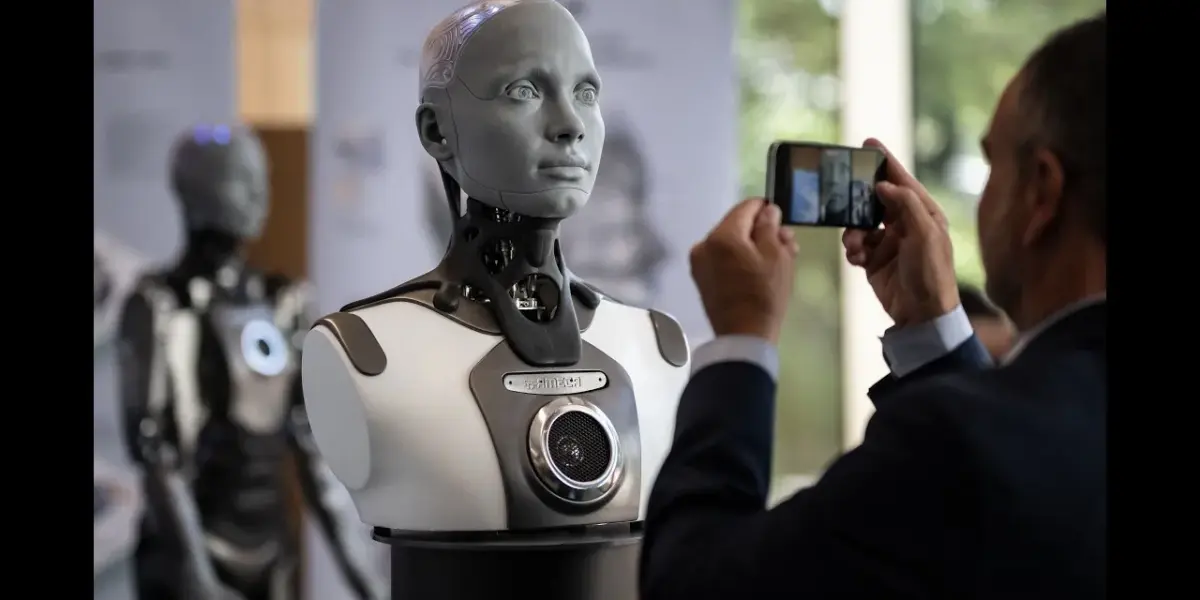
The rapid rise of artificial intelligence brings many exciting possibilities, but it also raises serious questions about job security. In China, workers are already facing a new reality: AI chatbots being created to replace them. This isn’t just about automation; it’s about AI systems that can mimic a person’s skills, communication style, and even their likeness. This development is forcing a conversation about worker protections, both in China and around the world.
The tech industry in China is known for its fast pace and intense competition. Workers there have started to notice a concerning trend. When they share detailed lists of their skills, it can make them vulnerable to being replaced by AI. One story shared on social media highlighted a tech worker whose colleague was laid off. Almost immediately, an AI program named ‘Skill’ was brought in to take over the departed employee’s duties. Management framed this as ‘process optimization,’ but workers have a different, more chilling name for it: ‘worker distillation.’ This term humorously refers to how AI programs can learn from smaller AI models to become more efficient, much like a person’s essence is distilled into a program.
This concern has led to the creation of tools like the GitHub program called colleague.skill. This program has gone viral, acting as a sort of digital defense mechanism for workers. It allows employees to create a skill file based on their own information, designed to protect them from being easily replaced. The idea is to provide management with a version of their skills that is useful but doesn’t make them entirely dispensable.
Are US Workers Protected?
The question then becomes: what protections do American workers have against this kind of AI-driven replacement? Currently, there are no specific federal laws in the United States that directly address being replaced by an AI bot designed to replicate your likeness and skills. This leaves a significant gap in worker protection as AI technology advances.
The colleague.skill program itself is marketed as a way to fill gaps when an employee leaves or is laid off. It works by analyzing a person’s digital footprint – including messages, documents, Slack communications, emails, and even screenshots. Combined with a subjective description of the individual, the AI can then function much like the person it’s replacing. This ability to clone a worker’s abilities and communication style raises complex ethical and legal questions.
State-Level Efforts and Limitations
While federal protections are lacking, some states are beginning to explore legislation. California, for instance, has introduced a law specifically for actors and actresses. This law requires their explicit consent if a company wants to replicate their likeness, personality, and voice using AI. Other states, like Tennessee and Illinois, are moving forward with laws that prohibit the cloning of individuals with AI altogether. These are important steps, but they are not yet comprehensive solutions for all types of workers.
Additionally, some states are considering new laws that could tax companies for replacing employees with AI. While these laws might not have been drafted with AI cloning specifically in mind, they could potentially offer a financial deterrent against such practices. However, the effectiveness of these measures remains uncertain. The situation is rapidly evolving, and it largely depends on individual states’ ability to foresee these technological advancements and enact timely legislation.
Why This Matters
The development of AI that can clone workers’ skills and likeness is more than just a technical innovation; it’s a potential redefinition of the employer-employee relationship. For workers, it introduces a new level of job insecurity. The idea that your digital presence and professional abilities could be captured, replicated, and used to replace you is deeply unsettling. This is especially true when employers might ask for extensive access to work communications and personal skill sets, often under the guise of efficiency or optimization.
This situation demands careful attention from all workers, not just those in the tech industry. As one programmer noted, if an employer is asking for detailed questions about your skill set or requesting access to your work messages and emails, it’s a cause for concern. Without clear legal protections, employers could technically use this information to create AI replacements. It is crucial for individuals to read all contracts very carefully before signing and to seek legal advice if they have any doubts, especially when granting consent for the use of their likeness or skills.
Historical Context and Future Outlook
Historically, technological advancements have always led to shifts in the job market. The Industrial Revolution replaced manual labor with machines, and the digital revolution automated many clerical tasks. AI represents the next frontier, automating cognitive tasks and even creative work. What makes AI cloning different is its ability to replicate not just tasks, but the very essence of an individual’s professional identity. This raises questions about intellectual property, personal identity, and the future of work itself.
The future could hold even more complex scenarios. Will companies start cloning their bosses to understand their demands better? Could unions begin fighting for workers’ rights to their own personality and skill ownership? It’s even conceivable that companies might begin selling AI versions of their top performers to other businesses in a new AI chatbot market. As Sean Marshall of NTD News suggests, this could be the next level of ‘new age office warfare.’ The lack of specific legal protections means that this evolving landscape is largely being shaped by individual states and the proactive steps workers take to protect themselves. The onus is on employees to be vigilant, informed, and cautious about the information they share and the rights they sign away.
Source: AI Chatbot Clones Replacing Workers in China (YouTube)

Related Articles

High Energy Costs Threaten Trump Agenda, Economist Warns
High energy prices are a major concern for the U.S. economy, potentially derailing the current administration's agenda despite positive GDP growth and rising wages. While tax cuts and deregulation provide support, global conflicts and their impact on oil markets create significant uncertainty for businesses and consumers.

Iran War Looms as China Pushes for Deal
Confusion over draft registration changes and escalating tensions with Iran dominate geopolitical discussions. While China pushes for a diplomatic solution to prevent conflict, the US faces complex negotiations. Meanwhile, the First Lady addresses rumors, seeking to clear her name amidst ongoing scandals.

AI’s ‘Mythos’ Model Sparks Financial Security Fears
Advanced AI models like Anthropic's 'Mythos' are raising alarms among financial leaders due to potential cybersecurity risks. While OpenAI prepares its 'Spud' model, experts like Nicholas Carlini highlight Mythos's ability to find and chain software vulnerabilities, surpassing human researchers. This development prompts urgent discussions about securing financial markets against sophisticated AI-driven threats.