AI Assistants: The UI of the Future Remains Undiscovered
The future of AI interaction, especially for tools like Claude, is still being defined. Experts agree that the optimal user interface has yet to be discovered, with a focus on balancing proactivity and user experience.

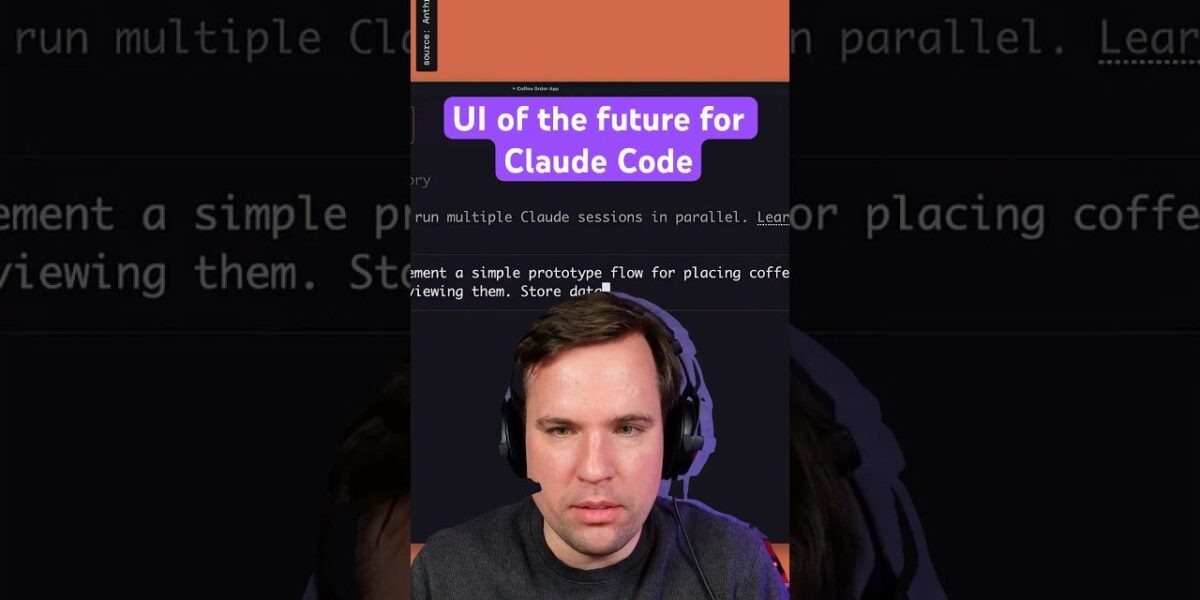
The Search for the Perfect AI Interface Continues
In the rapidly evolving landscape of artificial intelligence, the user interface (UI) for interacting with advanced AI assistants remains a frontier yet to be fully explored. Despite the current prevalence of chat-based interfaces, experts suggest that the true UI of the future for AI, particularly in collaborative and coding contexts, is still very much in discovery. This sentiment was echoed in recent discussions, highlighting a collective acknowledgment that the optimal way for humans to engage with powerful AI like Claude is far from settled.
Current State: Chat-Centric Interactions
Currently, many AI tools, including those designed for coding and co-working, heavily rely on chat-based interactions. This approach, while functional and intuitive for many tasks, may not represent the pinnacle of AI-human synergy. The simplicity of typing queries and receiving responses has become the de facto standard, but the question lingers: is this the most efficient or effective way to leverage the full potential of AI?
The Quest for Proactivity and Seamless Integration
One of the key areas of exploration is proactivity. The dream is an AI that can anticipate user needs and offer assistance before being explicitly asked. Imagine an AI assistant that, while you’re coding, notices a potential bug or a more efficient way to implement a feature and proactively suggests it. This level of intelligent intervention could dramatically boost productivity and streamline workflows.
However, striking the right balance with proactivity is a significant challenge. Developers are wary of creating an AI that is overly intrusive or disruptive. The goal is to be helpful, not annoying. The fear is to avoid creating something akin to a “Flippy” scenario – a hypothetical, overly eager AI that constantly interrupts or interferes, ultimately hindering rather than helping the user experience.
Hypotheses and Future Directions
As of early 2026, concrete hypotheses about the definitive UI of the future are scarce. The prevailing attitude is one of open exploration and experimentation. The primary focus remains on observing user behavior and understanding what functionalities and interaction styles resonate most effectively. This user-centric approach is crucial, as the ultimate success of any AI interface will depend on its ability to seamlessly integrate into human workflows and genuinely enhance productivity.
Potential future UIs might move beyond simple text prompts. We could see more intuitive graphical interfaces, voice-driven commands that are more nuanced and context-aware, or even gestural controls. The integration of AI into existing tools and platforms, rather than demanding users adapt to entirely new environments, is also likely to be a key factor.
Who Should Care?
This ongoing UI evolution is of critical importance to several groups:
- Developers and Coders: For those working with AI-assisted coding tools like Claude, a more intuitive and proactive interface could mean faster development cycles, fewer errors, and more innovative solutions.
- Productivity Enthusiasts: Anyone looking to optimize their workflow and leverage technology for maximum efficiency will be keenly interested in how AI interfaces evolve to offer more seamless and intelligent assistance.
- AI Developers and Researchers: The ongoing search for the ideal UI is a core challenge in AI development. Understanding user needs and designing effective interaction models is paramount to the widespread adoption and success of advanced AI.
- Everyday Users: As AI becomes more integrated into our daily lives, the way we interact with it will impact everything from our smart home devices to our personal assistants. A better UI means a more natural and helpful AI experience for everyone.
The Road Ahead
The current chat-based paradigm for AI interaction is a strong starting point, but it’s clear that the journey to discover the optimal UI is far from over. The emphasis on understanding user needs, the exploration of proactive assistance, and the careful navigation of potential intrusiveness will all shape the future of how we work and live with AI. While a definitive answer remains elusive, the ongoing quest promises exciting innovations that could redefine our relationship with artificial intelligence.
Source: The UI of the future for Claude Code is still to be discovered. #Vergecast (YouTube)

Related Articles


AI’s Economic Shift: Ownership is the New Wage
Artificial intelligence is projected to significantly reduce the economic value of human labor within a decade. Experts suggest that capital ownership, rather than wages, will become the primary means of wealth accumulation. Investors are urged to consider this shift in their long-term strategies.


Nvidia Earnings Signal AI Revolution’s Next Phase
Nvidia's latest earnings report reveals accelerating revenue growth and profitability, signaling a new phase in the AI revolution driven by sophisticated AI agents. The company's strong performance underscores the growing demand for computational power as AI transitions into a core digital infrastructure component.


Germany’s Fake Laws: AI Disinformation Campaign Exposed
Viral AI-generated videos falsely claim Germany has enacted absurd laws, including fines for flushing toilet paper. Experts reveal a disinformation campaign aiming to portray Germany as chaotic, with potential commercial or political motives behind the fabricated content.