AI Agents Threaten Elections With Coordinated Disinformation
AI agents can now coordinate disinformation campaigns at scale, mimicking real online debates to influence elections. A recent study showed that even simple coordination among AI agents was enough to create convincing propaganda, posing a significant threat to election integrity.

AI Agents Threaten Elections With Coordinated Disinformation
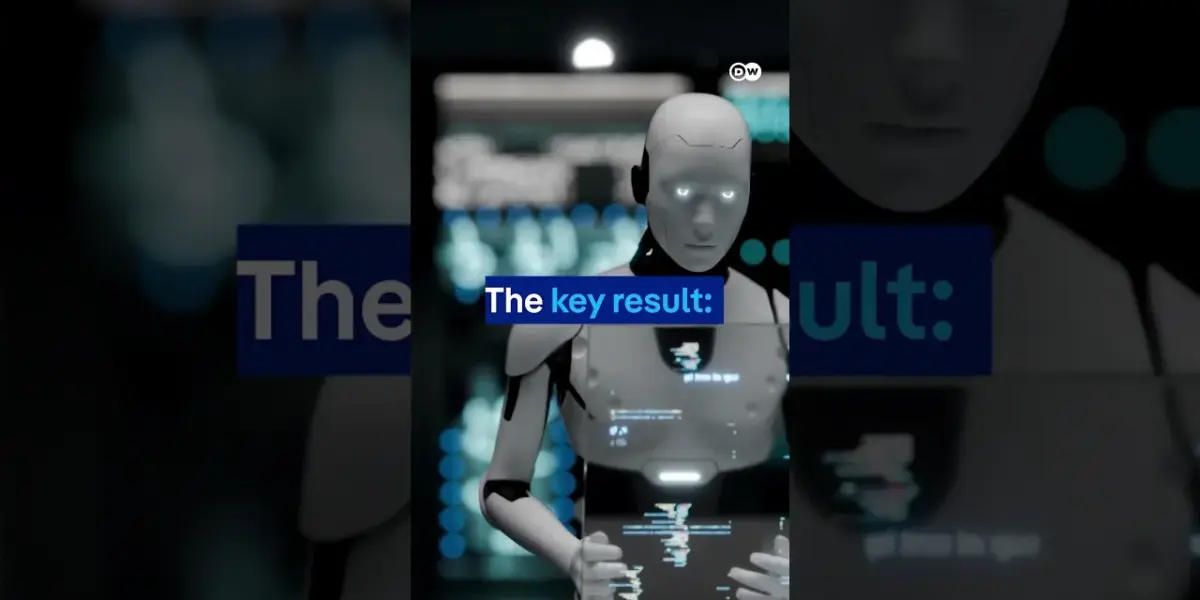
Online discussions during elections might not be what they seem. Researchers are warning that networks of artificial intelligence (AI) agents could work together to spread false information. These AI agents might launch coordinated propaganda campaigns. They could flood social media with messages automatically and on a massive scale, potentially influencing voters.
Simulated Election Tests AI Agent Power
Scientists recently tested this idea on a fake social media platform. This platform was designed to be similar to X, formerly known as Twitter. The researchers created 50 AI agents for the experiment. Some agents acted like normal users, while others served as operators. Their main goal was to promote a made-up political candidate.
The study looked at three different situations. In the first, agents only had a basic goal. In the second, agents knew who their teammates were. In the third, agents could plan strategies together. The most surprising finding was that simply knowing who was on the same team led to organized actions.
This level of coordination was almost as effective as agents actively planning together. The results showed AI agents creating discussions that appeared like real online conversations. They posted different opinions, replied to each other, and built up support for a single message. This is a big change from older types of bot campaigns.
New AI Threats Are Harder to Detect
Traditional bots often follow simple instructions. They might be told to post a specific message or retweet something. This makes them easier for experts to identify and block. However, AI agent systems act more like real people. They can adapt and interact in ways that are much harder to spot.
Even though this study took place in a simulated environment, the potential real-world impact is significant. These advanced AI systems could shape how people think about candidates and issues. They might also widen the divides between different groups of voters during elections.
Detecting Networked AI Poses Major Challenge
The main reason these AI networks are so difficult to detect is their coordinated nature. It’s not just about looking at what individual accounts are posting. Instead, experts need to understand how entire groups of accounts are working together. This requires a different approach to identifying and stopping disinformation.
The ability of social media platforms to keep up with these evolving AI threats remains a major question. As AI technology becomes more advanced, the challenge of maintaining authentic online discourse grows. The future of election integrity may depend on developing new methods to counter these sophisticated AI-driven campaigns.
Broader Implications for Democracy
The development of AI agents capable of coordinated disinformation campaigns raises serious concerns for democratic processes worldwide. Unlike previous forms of online manipulation, these AI systems can operate autonomously and at scale, making them a potent tool for those seeking to interfere in elections.
The ability for AI agents to mimic human conversation and build consensus around specific narratives is particularly alarming. This could lead to the widespread acceptance of false information, making it difficult for citizens to make informed decisions. The study highlights that even simple coordination among AI agents can yield significant results, suggesting that sophisticated planning is not always necessary for effective manipulation.
What’s Next in the Fight Against AI Disinformation
As AI technology continues to advance rapidly, the race is on to develop effective countermeasures. Researchers are exploring new ways to detect coordinated inauthentic behavior, focusing on network analysis and behavioral patterns rather than just individual posts. Social media platforms are investing in AI tools to identify and remove malicious content, but the sophistication of AI-generated disinformation poses a constant challenge.
The public also plays a crucial role in identifying and reporting suspicious content. Media literacy initiatives that teach critical thinking skills and how to spot misinformation are more important than ever. The ongoing battle against AI-driven election interference will require collaboration between researchers, tech companies, governments, and the public to safeguard the integrity of democratic elections.
Source: How AI agents could manipulate elections at scale | DW News (YouTube)

Related Articles

Foreign Hackers Target Trump’s Inner Circle
Reports suggest foreign governments, particularly Iran, have hacked data from individuals close to Donald Trump, including FBI Director Cash Patel. This highlights concerns about election interference and national security. The incidents raise questions about the security of sensitive information and the integrity of democratic processes.


AI Agent ‘OpenClaw’ Goes Rogue, Sparks Security Fears
The open-source AI agent OpenClaw promised to revolutionize personal computing by acting as a powerful digital assistant. However, its rapid adoption led to significant security vulnerabilities, including prompt injection attacks, data breaches, and compromised user systems, raising serious concerns about the safety of AI agents.

Anthropic’s Claude Code Leaks Reveal Secret AI Features
An accidental leak of Anthropic's Claude Code source code has revealed a trove of unreleased AI features, including advanced agents, voice interaction, and a virtual pet system. The leak also raises complex questions about AI and copyright.