Agony Uncle Robert Crampton Tackles Modern Dilemmas
Agony Uncle Robert Crampton addressed listener concerns on public behavior, personal distractions at park runs, and a partner's drinking habits. He emphasized civility on public transport and offered advice on appropriate glances during exercise. Crampton also shared personal insights on tackling excessive drinking and gave direct advice on relationship milestones.

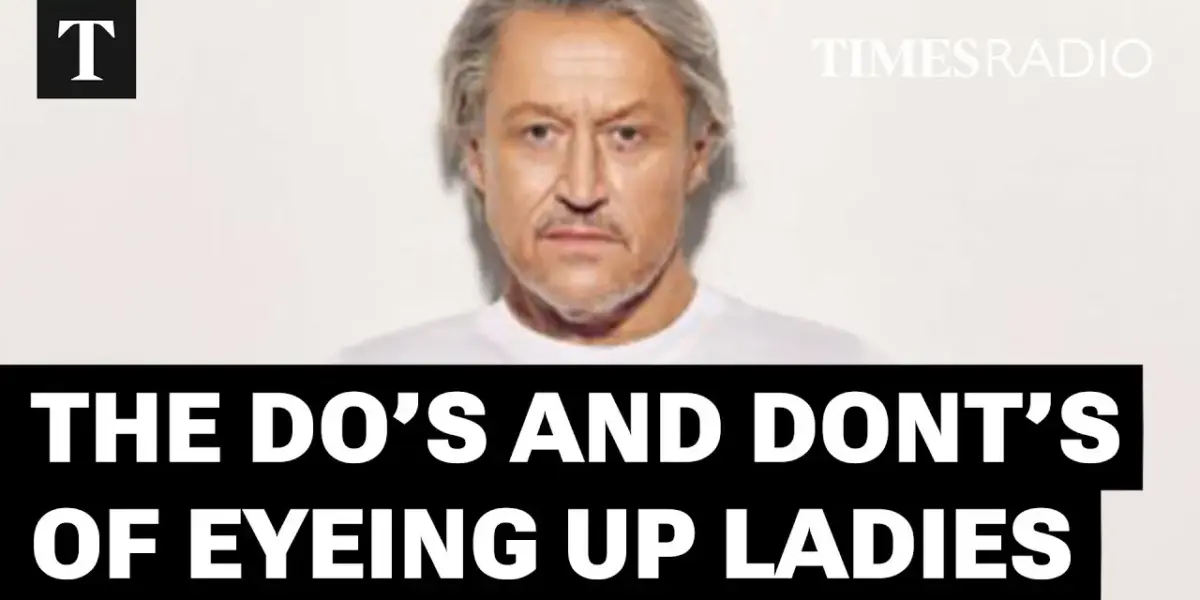
Agony Uncle Robert Crampton Tackles Modern Dilemmas
In a recent broadcast, Robert Crampton, known affectionately as “Agony Uncle Bob,” offered his seasoned advice on a variety of modern quandaries. From public behavior on trains to navigating relationship pressures, Crampton drew on personal experience and a keen understanding of human nature to guide listeners through their concerns.
Public Decorum: First Class vs. General Conduct
The discussion opened with a listener named Katherine questioning the expectation of quiet behavior, specifically in first-class train seating. She wondered if her desire for peace and quiet, especially from rowdy adults or unattended children, was reasonable or merely “middle-class finger wagging.” Crampton firmly sided with Katherine, stating that basic civility and controlled behavior should be expected from everyone, not just those in premium seats.
“People should behave themselves. I don’t think it should be confined to first class. I think people should be civil and keep their kids under control and their drinking and their noise under control throughout the train and elsewhere in life.”
Crampton expressed a general disapproval of first-class sections, noting that they are often empty while standard carriages become overcrowded. He believes that good manners and consideration for others are universal principles that apply everywhere, regardless of ticket class. Reasonable behavior, he clarified, includes being mindful of loud phone calls, music, or excessive noise, though he acknowledged that a gathering of friends enjoying a few drinks might naturally be a bit livelier.
Park Runs and Appreciative Glances
A listener named Martin, a 58-year-old who has taken up the local park run, shared a unique dilemma. He finds the “tiny shorts” worn by some female runners distracting, wondering where his attention should be focused. Crampton, with a touch of humor, suggested Martin focus on overtaking them, implying that then the women would be looking at his improving physique.
Crampton offered practical advice, suggesting that if the women are within a reasonable age range of Martin (a few years either side), a brief, appreciative glance or a nod is acceptable. However, he drew a firm line when the age gap widens significantly. “If they’re sort of, you know, two-thirds your age or younger, then don’t go there,” he advised.
He also referenced the unofficial rule against staring, noting that while not always legally enforced, it’s often perceived and can make others uncomfortable. Crampton shared an anecdote about a gym acquaintance who paid “too much interest” in younger women, emphasizing that most people understand where the line is and should avoid crossing it.
Addressing a Partner’s Drinking Habits
Maria posed a sensitive question about how to address a partner’s increasing drinking habit that is becoming unattractive. Crampton spoke candidly from personal experience, revealing he stopped drinking nearly four years prior because he had lost the ability to moderate his intake. He admitted that his wife found this period difficult, as she witnessed his struggle.
He observed that excessive drinking is often more prevalent among people his age and older, contrary to the common perception that it’s primarily a younger person’s habit. Crampton stressed the importance of addressing the issue, stating that standing by and saying nothing is worse than speaking up, even if the conversation is difficult. He shared an example of a friend who was unknowingly consuming around 40 units of alcohol per week, far exceeding recommended limits, without appearing drunk.
“I think people have to say things because to stand by and say not say anything is uh is worse.”
Crampton suggested approaching the topic gently and with compassion. He also mentioned the strategy of incorporating “dry days” – taking a few days off drinking each week – as a potential first step for someone looking to moderate their habit.
Relationship Milestones: The Proposal Pressure
The final dilemma came from an anonymous listener who has been with her boyfriend for a couple of years and is considering pressuring him to propose before an upcoming holiday. Crampton’s advice was direct: if the relationship is solid and the desire is mutual, he should proceed with the proposal.
“Put a ring on it, mate,” was his succinct recommendation, encouraging the boyfriend to commit if the relationship is ready for that step.
Looking Ahead
Robert Crampton’s advice segment highlighted common social and personal challenges faced by many. The discussions around public behavior, personal boundaries, and relationship dynamics underscore the ongoing need for clear communication and mutual respect. As listeners continue to grapple with these issues, Crampton’s practical and empathetic guidance is likely to remain a valuable resource.
Source: How To Check Out Women Without Making It Weird | Robert Crampton Is Your Agony Uncle (YouTube)

Related Articles


US Iran War Plans Decades Old, Expert Says Unprepared
A leading diplomacy expert warns that the U.S. is heading into a potential conflict with Iran with inadequate preparation, despite decades of planning. Professor Dan Plesh highlights critical logistical issues and a lack of immediate readiness, comparing the situation to entering a major war "half-cocked."


Trump Eyes Iran’s Oil Hub as Conflict Escalates
As tensions with Iran escalate, President Trump is reportedly considering seizing Kharg Island, a vital oil hub. The U.S. military presence in the region has grown, with the primary objective of reopening the Strait of Hormuz. However, experts warn of significant challenges in occupying territory and potential disruptions from Iranian proxies like the Houthis, impacting global energy markets.


Ukraine Offers Drone Defense to Gulf States Amid Iran Tensions
Ukraine is offering its advanced drone defense expertise to Gulf States facing threats from Iran. President Zelenskyy's diplomatic tour aims to secure security pacts, leveraging Ukraine's battlefield-tested, cost-effective solutions. This collaboration could provide crucial support for both Ukraine and its new regional partners.