AG Bondi Subpoenaed for Closed-Door Epstein Probe Deposition
The House Oversight Committee has voted to subpoena Attorney General Pam Bondi for a closed-door deposition concerning missing documents in the Jeffrey Epstein investigation. This bipartisan move aims to prevent grandstanding and ensure direct answers regarding the controversial case.

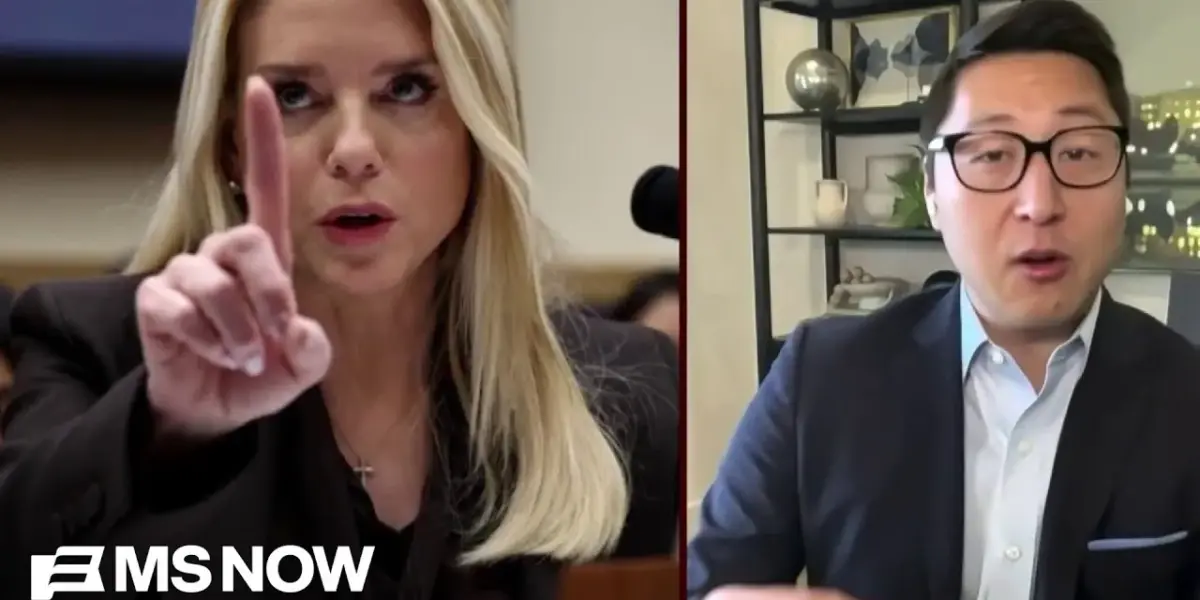
Bipartisan Vote Forces AG Bondi to Face Questions on Epstein Files
In a rare display of bipartisan unity, the House Oversight Committee has voted to subpoena Attorney General Pam Bondi for a closed-door deposition as part of its ongoing investigation into the Jeffrey Epstein case. The move, spearheaded by Republican Congresswoman Nancy Mace, aims to address persistent concerns over missing documents and information related to the investigation, including videos, audio recordings, logs, and interview notes that have yet to be released by the Department of Justice.
The attorney general has not yet responded to requests for comment regarding the subpoena. The decision to compel Bondi’s testimony comes after significant frustration mounted among members of Congress, who have grown increasingly exasperated by what they describe as redactions and the inconsistent availability of files. Investigative work by various media outlets has, at times, uncovered information that the committee itself has not yet obtained, fueling demands for greater transparency and accountability.
Frustration Boils Over on Epstein Investigation
Kurt Bardella, publisher of The Watchdog Report on Substack and former spokesperson for Republicans on the House Oversight Committee, described the subpoena as a surprising but understandable development. “Members of Congress on both sides of the aisle are frustrated with the redactions, with files going up, files being taken down,” Bardella stated. “Other media entities doing investigative work, coming up with information that the committee doesn’t actually have in real time. So frustration finally reached this boiling point.”
The timing of the subpoena, following recent depositions of prominent political figures, appears to have opened the door for further scrutiny. “It kind of opened the door, really the floodgates for other members to say, listen, if the committee is going to spend time, resources, going on the way out to New York to interview former President Clinton, and former Secretary of State Hillary Clinton, why on earth are we not hearing from people who have active eyes and ears on the Epstein files who are in control of the flow of information or lack of information in some cases that’s coming up,” Bardella explained.
Closed-Door Deposition Aims to Prevent Grandstanding
A key aspect of the subpoena is that the deposition will be conducted behind closed doors, a strategic choice designed to prevent what some perceive as obstructive tactics. “The key thing here, the most important thing about this is it’s a closed door deposition. It’s not a public hearing. She will not be able to grandstand and filibuster the way she did in the Judiciary Committee meeting a few weeks ago,” Bardella noted. He emphasized the difference between a deposition and a public hearing, highlighting the unlimited time available in the former.
“This is a time where you have unlimited amounts of time. There’s no five minute rule. There’s no, oh, I only have a few minutes to get my question in so you can run off the clock on me. It’s a deposition. The Clintons sat for eight hours last week on tape. She’s going to have to do the same thing,” Bardella elaborated. This format is expected to ensure that Bondi will be pressed for direct answers, with interrogators able to take as much time as needed to elicit responses, preventing prolonged monologues or evasive maneuvers.
Bipartisan Support Overrides Committee Chair
The bipartisan nature of the vote is particularly noteworthy, especially given the current narrow Republican majority in the House. The motion to subpoena Bondi initially blindsided Chairman James Comer, who reportedly had to postpone the vote. Ultimately, five Republicans joined all congressional Democrats on the committee to support the subpoena, signaling a significant shift in the committee’s dynamics and a unified demand for information.
This cross-party agreement underscores the widespread dissatisfaction with the progress and transparency of the Epstein investigation. The committee’s objective is to ascertain why critical documentation remains elusive and to ensure that all pertinent information is brought to light, regardless of potential political sensitivities.
Broader Implications and Next Steps
The subpoena issued to Attorney General Bondi marks a significant escalation in the House Oversight Committee’s efforts to uncover the full scope of the Jeffrey Epstein scandal. The closed-door deposition format suggests a deliberate strategy to obtain substantive answers without the performative aspects that can characterize public hearings. The involvement of a bipartisan coalition highlights the non-partisan nature of the demand for transparency in this high-profile investigation.
As the investigation progresses, attention will remain focused on what information Bondi provides during her deposition and whether it leads to further revelations or actions. The committee’s continued pursuit of missing documents and accountability signals a commitment to thoroughness, aiming to leave no stone unturned in understanding the complexities of the Epstein case and the handling of related information.
Source: 'She won't be able to grand stand': Bipartisan group subpoenas AG Bondi for closed-door deposition (YouTube)

Related Articles

DOJ to Release New Epstein Files Amid Growing Pressure
The Department of Justice is set to release a new batch of Jeffrey Epstein files 'fairly soon' amid ongoing pressure and concerns over redactions. Simultaneously, a subpoena has been issued for former Florida AG Pam Bondi to testify under oath, drawing bipartisan support and adding further scrutiny to the handling of the investigation.


DOJ Withholds Trump’s Epstein Files, Citing ‘False’ Claims
The DOJ admits to withholding over 47,000 files from the Epstein investigation, citing 'false' accusations against Donald Trump. However, prior FBI interviews with a witness raise questions about the swift dismissal of these serious claims.

House Subpoenas AG Bondi Over Missing Epstein File Details
The House Oversight Committee has subpoenaed Attorney General Pam Bondi as part of its investigation into the Jeffrey Epstein case, seeking missing documents and testimony. Concerns are mounting over withheld information, including survivor statements that could identify powerful individuals. The move highlights a bipartisan push for transparency and raises questions about public trust in the justice system.