Afroman Wins Lawsuit Over Viral Music Video Depicting Police Raid
A jury has ruled in favor of musician Afroman in a defamation lawsuit brought by Ohio sheriff's deputies. The deputies sued after Afroman released a viral music video featuring footage of a police raid on his home. Afroman celebrated the verdict as a victory for freedom of speech.

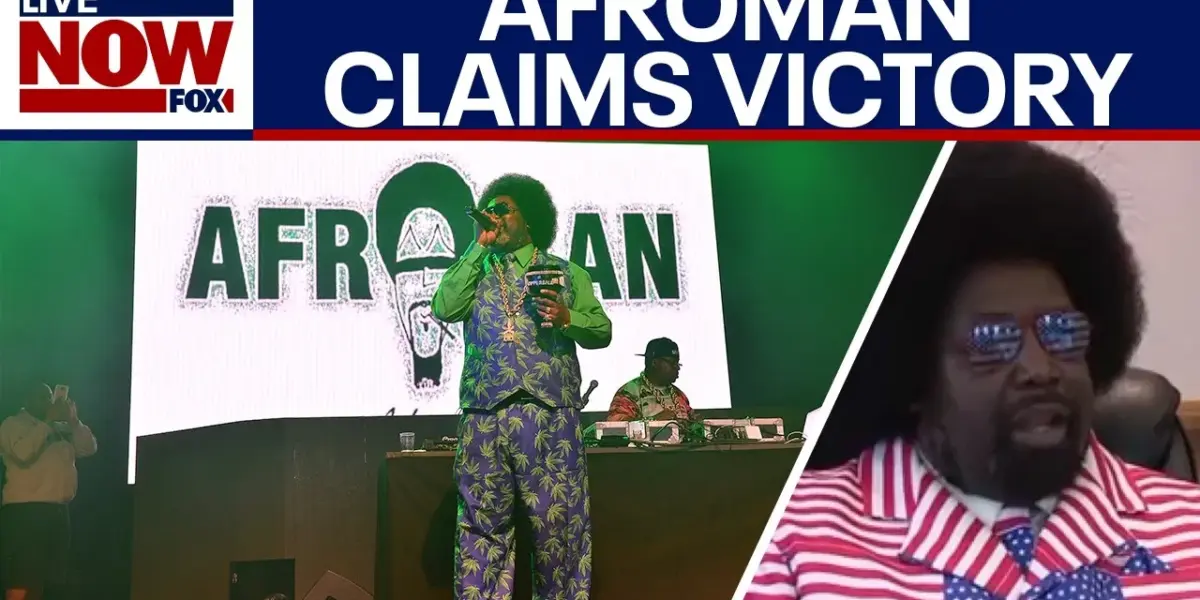
Rapper Afroman Acquitted in Ohio Defamation Lawsuit
Musician Joseph Foreman, widely known as Afroman, has won a significant legal battle in Ohio. A jury has cleared him of all charges in a lawsuit filed by sheriff’s deputies. The deputies claimed emotional damage and defamation after Afroman released a viral music video that included footage of a police raid on his home. The trial concluded today, marking a victory for the artist and his claims of free speech.
Raid on Afroman’s Home and Video’s Origin
The controversy began with a police raid on Afroman’s Adams County, Ohio home. Officers found marijuana and seized cash during the search. However, no criminal charges were filed against Afroman. A dispute arose over the amount of money seized, with Afroman accusing deputies of theft. He claimed $4,400 was listed as seized, but he only received $4,000 back. An investigation later suggested a deputy miscounted the money, with a discrepancy of $390. The remaining $10 difference remains unexplained.
Following the raid, Afroman created a music video incorporating surveillance footage from the event. This video quickly went viral, drawing widespread attention. The police sued Afroman, alleging that he used their likeness without permission and that the video caused them emotional distress and damaged their reputations.
Afroman’s Defense: Free Speech and Exaggeration
Throughout the trial, Afroman and his legal team argued that his actions were protected under the First Amendment’s guarantee of free speech. They contended that Afroman was exercising his right to express himself, particularly in response to the raid on his property. A key defense strategy focused on the idea that some of Afroman’s statements were so outlandish and exaggerated that they could not be taken as literal truth.
For statements related to alleged theft, the defense argued there was some truth to the matter, raising questions about the handled funds. Afroman’s lawyer highlighted his client’s persona as a comedian, pointing to his elaborate American flag suit worn in court. This attire, he argued, demonstrated that Afroman doesn’t always take things with absolute seriousness and that his artistic expression should be viewed within that context.
The “Lemon Pound Cake” Moment and Viral Fame
The music video that sparked the lawsuit features surveillance footage from the raid. While Afroman has made some harsh accusations against deputies in other contexts, the specific video in question is noted for a particular, lighter moment. It shows an armed deputy in Afroman’s kitchen, whose attention is caught by a lemon pound cake on the counter.
Afroman’s video playfully suggests the deputy was tempted to put down his gun and take a slice. This element contributed to the video’s viral appeal, with many finding it humorous. However, the deputies involved did not share this view, stating the video led to serious distress and even death threats against them.
Deputies’ Claims and Jury’s Verdict
The sheriff’s deputies sought nearly $4 million in damages. Their lawyer argued that the jury was sent by a higher power to send a message to Afroman and that the deputies had suffered greatly. They warned that a verdict in Afroman’s favor would only worsen their situation.
Despite these claims, the jury ruled unanimously in favor of Afroman. The judge noted that no plaintiff verdict prevailed, concluding the matter with defense verdicts across the board. The judge also dismissed a claim regarding misappropriation of likeness, citing Afroman’s right to use footage from the raid in his video. However, claims of defamation and invasion of privacy through false light were allowed to proceed to the jury.
Afroman Declares Victory for Freedom of Speech
Outside the courthouse, Afroman declared his win a victory not just for himself, but for America and the principle of free speech. He stated that the verdict means freedom of speech lives on and is a win for the people. Afroman expressed that the situation would never have happened if the deputies had not entered his home, suggesting that the deputies’ own children’s complaints at school stemmed from their parents’ actions.
Legal journalist Megan Cuniff, who covered the trial extensively, noted that one defense witness, a former wife of one of the suing deputies, testified that the deputies were laughing about the song when they discussed it. This testimony may have influenced the jury’s perception of the deputies’ alleged suffering.
What’s Next for Afroman and the Deputies?
The jury’s decision has emboldened Afroman, who feels he was unfairly targeted. He has indicated he does not plan to stop speaking out against the deputies anytime soon. For the deputies, the legal path forward appears challenging after their substantial claims were dismissed by the jury. The outcome of this case highlights the complex intersection of artistic expression, public officials’ conduct, and the boundaries of free speech in the digital age.
Source: Afroman victorious after controversial music video lawsuit in Ohio (YouTube)

Related Articles

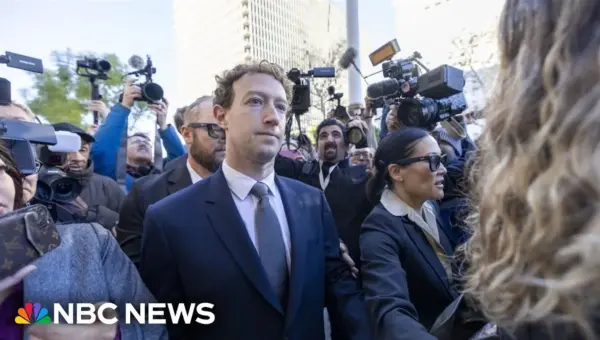
Social Media Giants Found Liable in Landmark Lawsuit
A Los Angeles jury has found Meta and YouTube negligent in their platform designs, marking a historic verdict that could signal the "end of social media as we know it." The ruling holds the tech giants accountable for addicting young users and causing mental health issues, potentially reshaping the industry.

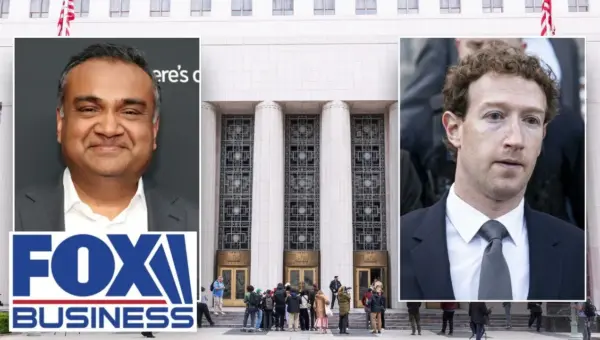
Jury Hits Meta, YouTube With $6B Social Media Addiction Fine
A jury found Meta and YouTube liable for harming young users' mental health, awarding $6 billion in damages. Both tech giants plan to appeal, citing legal protections like Section 230 and Supreme Court precedents that shield platforms from user-generated content liability. The fines are small compared to company profits, but the verdict signals increased legal scrutiny.

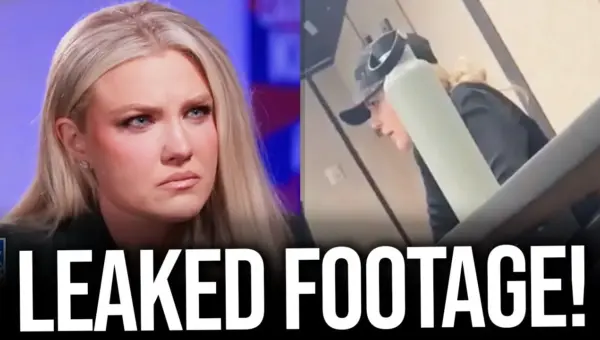
Kirk’s Campus Visit Sparks Lawsuit, Free Speech Debate
A leaked video of Turning Point USA CEO Erica Kirk at Arizona State University has triggered a lawsuit and an investigation. Organizers claim Kirk's actions led to their free speech event's cancellation, raising questions about the organization's commitment to open expression.