Africa Faces Fuel, Fertilizer Price Shock Amid Global Tensions
Africa is facing a severe economic shock as fuel and fertilizer prices surge due to global conflicts. Nigeria's Dangote refinery is increasing fertilizer exports to the continent, while South Africans feel the pinch of rising transport and food costs. Experts warn of long-term consequences and call for greater energy autonomy.

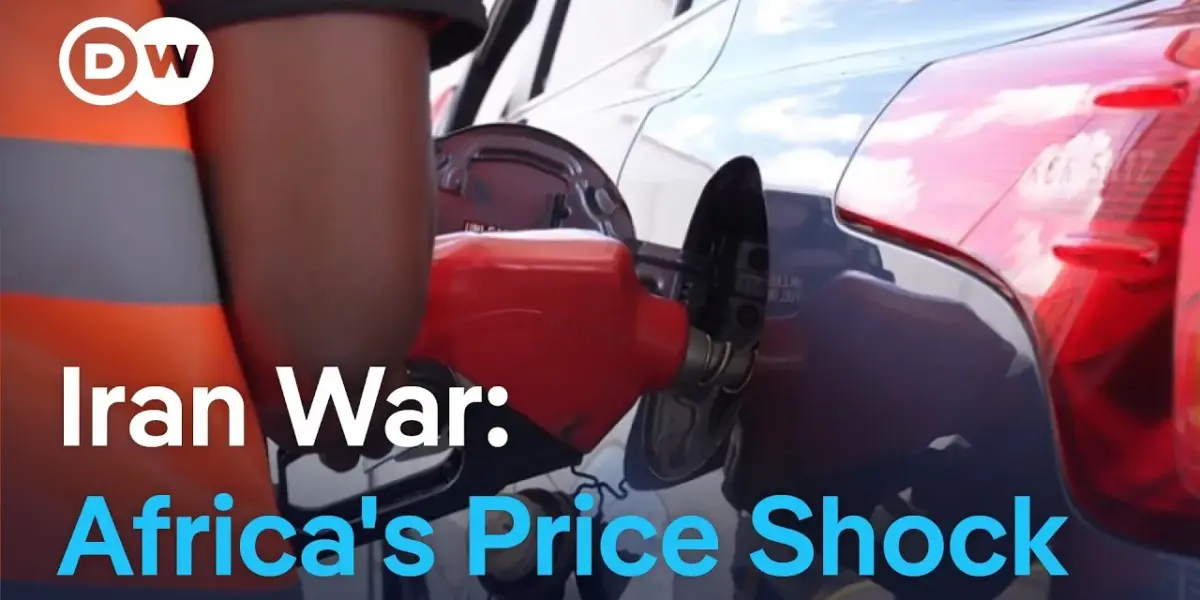
Africa Reels from Dual Price Surge: Fuel and Fertilizer Costs Skyrocket
Across the African continent, consumers and farmers are grappling with a significant economic blow as prices for both fuel and fertilizer have surged dramatically. The immediate impact is evident at the gas pump, with higher fuel costs becoming a daily reality for many. However, experts warn that the more severe consequences may stem from rising fertilizer prices, which are closely tied to energy costs.
Dangote Refinery Boosts Fertilizer Exports Amid Supply Disruptions
Nigeria’s Dangote refinery, the largest in Africa, is experiencing a surge in demand for its nitrogen fertilizer. The refinery has increased its exports to African nations facing supply shortages due to ongoing global conflicts. Normally, its annual production of up to 3 million metric tons of nitrogen fertilizer is destined for the United States and South America. Aliko Dangote, the refinery’s head, has pledged to prioritize supplying African countries, diverting production to meet the continent’s needs.
“The challenges are many. One is of uh ura which is fertilizer that we have. I think uh in the last couple of uh days we’ve been loading to mostly African countries which we are not doing before and then now is to do with also petroleum products but which are now sending mainly to uh you know African countries.” – Aliko Dangote
Nitrogen is a crucial component of fertilizer, acting as rocket fuel for crop plants. Without sufficient nitrogen, food production suffers. This vital nutrient, along with others like sulfur used in phosphate production, is often imported into Africa from Gulf countries. The ongoing conflict through the Strait of Hormuz, a critical global trade route, poses a significant threat. This waterway handles a substantial portion of the world’s oil, natural gas, fertilizer, and sulfur, increasing the risk of further supply chain disruptions.
South Africans Feel the Pinch as Transport Costs Rise
In South Africa, consumers are bracing for higher food prices as fuel costs continue to climb. The majority of goods and food in the country are transported by road. Earlier this month, diesel prices jumped by 40%, and petrol prices rose by 15%. Many households fear that the economic fallout from the conflict could linger long after the fighting stops.
Petunia Limuana, a South African shopper, is struggling to make ends meet. “I think we’re coping just by the grace of God. It it’s hard. The pinch is felt by everyone everywhere. We’re also feeling it,” she shared. Pensioner, who wished to remain anonymous, expressed similar concerns: “I feel the the price increase is hectically a very heavy knock because me speaking as a pensioner it’s very hard. I go into a shop and I take necessary stuff. Um I do away with luxuries. I do away with a lot of stuff.”
Farmers Face Rising Input Costs and Uncertain Harvests
Small business owners and workers are also worried. They anticipate that increased fuel costs will make it more expensive to stock their shelves. Furthermore, there’s concern that some farmers might reduce planting certain crops due to high fuel expenses, leading to price hikes for consumers.
Terry Faulk, with over 40 years of experience in produce, highlighted the ripple effect of rising diesel prices. “Diesel affects everything. You know, the farmers need fertilizer. It’s going to affect the price of fertilizer, they need seed, they need packaging. You know, the increase in diesel is going to affect all that all that stuff, that input cost. It’s all going to go up. So, it’s not just putting diesel in your tank and driving. It’s everything else.”
Many South African farmers are currently preparing for harvests or planting winter crops, activities that require significant fuel and fertilizer. South Africa imports 80% of its fertilizer, with a substantial portion of global nitrogen supplies originating from the Middle East. Experts predict fertilizer prices will become a major concern from June onwards, especially with the next critical planting season beginning in October.
Broader African Implications and Calls for Resilient Supply Chains
The availability of fertilizer in South Africa has implications for the wider sub-Saharan African region, as many countries rely on South Africa for these essential agricultural inputs. While larger farms and businesses might absorb the initial price shocks, smaller operations and households are likely to struggle the most. “It’s unfortunate, but in every price increase, that’s where it ends up. The consumer has to pay more. And uh that’s the bottom line,” noted one observer.
Mariti Mutiga, program director for Africa at the International Crisis Group, warned of substantial long-term effects. “The long run effects will be very substantial. We know that 15% of Africa’s uh imports come from the Middle East. uh 10% of exports um are are are are sent there. There’s been already a huge inflationary impact uh from the conflict and from all the analysis we’ve seen is that unwinding the supply chain shocks and the supply chain disruptions getting all those refineries um storage uh facilities, oil and gas fields back online. Apparently nearly 10% of the world’s oil supply will also take time. So this is good news but we really will have to experience a couple of months of fairly difficult economic times.”
Mutiga also referenced the International Crisis Group’s call for a “Hormuz Initiative” to protect global food security, similar to the 2022 Black Sea Grain Deal. This initiative would aim to create safe corridors for essential goods like fertilizer and food to pass through critical chokepoints, regardless of ongoing conflicts. “Every war tends to give us a new lesson in geography. We didn’t many of us didn’t know that a lot of fertilizer comes through from for example from the Gulf and that has been a real shock,” Mutiga added.
Africa’s Vulnerability and the Path to Energy Autonomy
The continent’s heavy reliance on imports, particularly for energy, leaves it vulnerable to global shocks. Despite having significant oil and gas reserves, many African nations depend on imported refined products. This situation is partly attributed to a historical failure by leaders to invest sufficiently in refining capabilities. The recent opening of the Dangote refinery in Nigeria is seen as a positive step towards greater self-sufficiency.
While countries like Kenya are leaders in renewable energy, a significant portion of their transportation sector still relies on imported oil, especially for trucking. Experts suggest that policy changes, such as reducing taxes on electric vehicles and expanding railway networks, could help lessen this dependence. There is also a growing discussion about establishing electric vehicle manufacturing or assembly plants within the region to make them more affordable.
The current crisis serves as a wake-up call for Africa to reduce its dependence on external energy sources. With abundant oil, gas, renewable potential, and critical minerals, the continent possesses the building blocks for energy autonomy. However, realizing this potential requires strategic investment in processing raw materials and developing domestic industries, rather than solely exporting crude resources.
Looking Ahead: Building Resilience in Uncertain Times
The current economic pressures highlight the urgent need for Africa to build more resilient supply chains and reduce its vulnerability to global energy shocks. While the short-term outlook suggests continued economic challenges, discussions around regional investment in refining, renewable energy, and localized production offer glimmers of hope. The continent’s ability to leverage its own resources and foster greater self-sufficiency will be critical in navigating future global uncertainties.
Source: Africans feel double price shock as fuel and fertilizer costs surge | DW News (YouTube)

Related Articles


Helium Crisis Threatens AI Chip Production
A critical shortage of helium, essential for manufacturing advanced AI microchips, is threatening the global artificial intelligence boom. Geopolitical events and supply chain disruptions have severely impacted helium availability, leading to fears of production halts and a potential repricing of tech valuations.
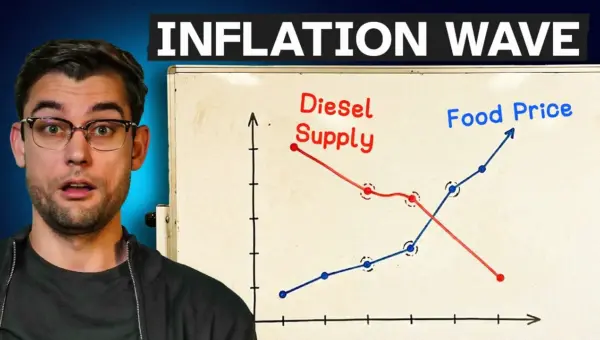
Diesel Shock Cripples Global Food Supply
Soaring diesel prices have grounded a significant portion of the global fishing fleet, particularly in Southeast Asia. This disruption is creating a critical shortage of fish meal, a key ingredient in animal feed, which is driving up costs for poultry and farmed fish. The ripple effect is expected to lead to significant food inflation globally.


Farmers Brace for Losses Amidst Global Conflict Costs
American farmers are facing significant financial pressure due to rising costs for fuel and fertilizer, exacerbated by global conflicts. This surge in operational expenses threatens the profitability of family farms and could lead to higher food prices for consumers. The trucking industry also reports substantial increases in fuel costs, signaling broader economic impacts.