Afghanistan-Pakistan Border Clashes Escalate Amid Ceasefire Fears
Fresh clashes have erupted along the Afghanistan-Pakistan border, threatening a fragile ceasefire. Afghanistan's Taliban claim to have attacked Pakistani military targets in retaliation for earlier airstrikes, while Pakistan denies any losses and released footage of its own strikes. The escalation highlights deep-seated tensions over militant activity and cross-border accusations.

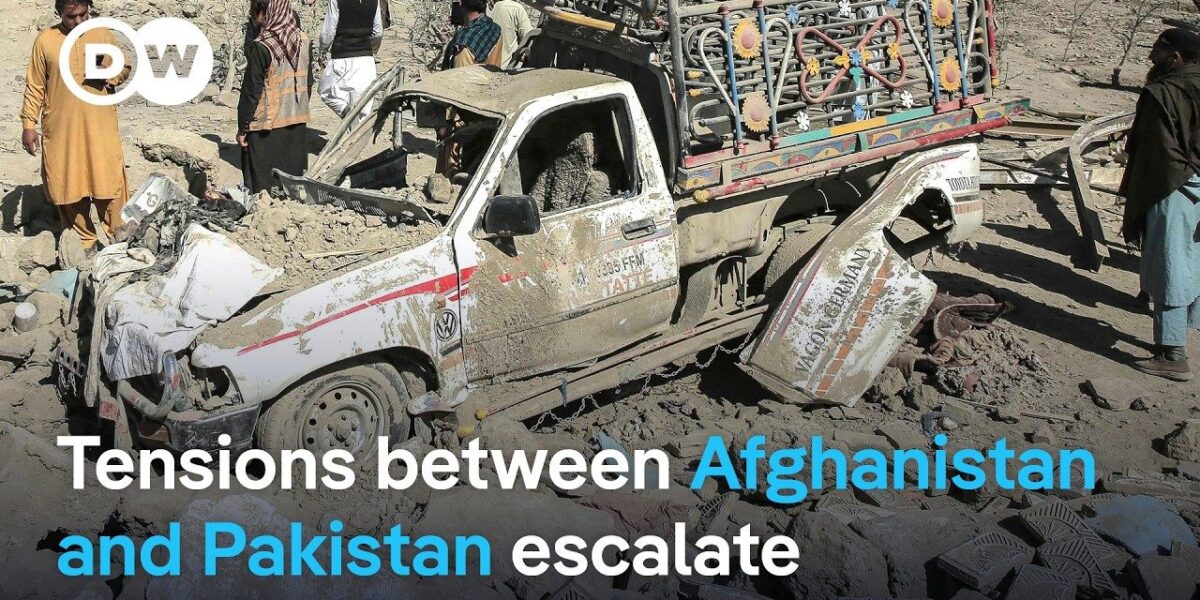
Fragile Peace Shattered: New Clashes Erupt on Afghanistan-Pakistan Border
The volatile border region between Afghanistan and Pakistan has once again become a flashpoint, with fresh clashes threatening the already fragile ceasefire. The Taliban administration in Afghanistan has claimed responsibility for launching attacks on military targets within Pakistan’s northern province, alleging the killing and capture of dozens of Pakistani soldiers. This action, according to Afghan officials, was a direct retaliation for earlier Pakistani airstrikes on Afghan territory.
Pakistan Denies Afghan Claims, Releases Counter-Video
In stark contrast to the Taliban’s narrative, Pakistan has vehemently denied any of its soldiers were killed or captured. The Pakistani military released video footage purportedly showing its forces striking targets within Afghanistan, asserting that these actions were a response to unprovoked fire originating from the Afghan side. Pakistan’s Information Ministry stated that its forces took “immediate and effective action” against Afghan fire, claiming to have inflicted “huge losses” on the Afghan side.
Retaliatory Strikes Fuel Escalation
The recent exchange began with Pakistani airstrikes last Sunday, which targeted what Pakistan described as militant hideouts and terrorist camps in two Afghan provinces, claiming to have eliminated 70 militants. However, the Afghan Taliban disputed these claims, asserting that civilians were among the casualties. This incident appears to have triggered the latest round of cross-border hostilities.
“Afghan Taliban say that they have launched attacks in northwestern Pakistan border region. uh they say that these are retaliatory attacks in response to Pakistani air strikes last Sunday in which Afghan Taliban claimed that civilians were killed.” – Bina Javeed, DW Reporter
A History of Tensions and Failed Ceasefires
This is not the first time the Afghanistan-Pakistan border has witnessed significant conflict. Last October, a major confrontation occurred, involving Pakistani airstrikes in Kabul and other provinces, which were met with retaliatory cross-border attacks by the Afghan Taliban. Despite mediated talks involving Qatar and Turkey, and efforts by Saudi Arabia to de-escalate the situation, relations remain extremely tense, with a ceasefire agreement proving difficult to sustain.
The Root of the Discord: Militancy and Accusations
The current friction is deeply rooted in Pakistan’s long-standing accusations that the Afghan Taliban government is harboring and supporting militant groups responsible for a surge in attacks within Pakistan since the Taliban regained control of Afghanistan in 2021. Pakistan has reported a significant increase in militant activity, with 2023 being one of the deadliest years on record, resulting in hundreds of security force and civilian casualties.
Pakistan contends that these militant operations are often planned and orchestrated from Afghan soil, with blame directed at the Taliban, its affiliates, and occasionally the Islamic State Khorasan Province (ISKP). The Afghan Taliban, however, consistently deny these allegations, creating a stalemate characterized by occasional Pakistani retaliatory strikes and Afghan denials.
“Pakistan says that since Afghan Taliban took control of Afghanistan in 2021, militant attacks in Pakistan have spiked. Last year, SAR 2025 was one of the deadliest for Pakistan. More than 600 Pakistani security forces were killed. More than 500 civilians were were killed in hundreds of militant attacks.” – Bina Javeed, DW Reporter
Economic Fallout and Diplomatic Impasse
The ongoing conflict and border closures have had severe economic repercussions for both nations. With borders shut since October, both Afghanistan and Pakistan are incurring substantial economic losses. Voices within both countries are increasingly calling for diplomatic solutions, recognizing that the current state of affairs is unsustainable and that the people of both nations are suffering the consequences.
Despite past attempts at negotiation and mediation by regional powers, diplomatic efforts to foster understanding and resolve the complex relationship between Pakistan and the Afghan Taliban have so far failed to yield lasting results. The cycle of accusations, retaliatory actions, and denials continues to perpetuate a state of heightened tension.
Looking Ahead: The Path to Stability Remains Uncertain
The escalating clashes along the Afghanistan-Pakistan border underscore the precarious security situation in the region. As both sides exchange accusations and engage in military actions, the prospect of sustained peace remains distant. The international community will be closely watching to see if diplomatic channels can be reopened and if a genuine de-escalation can be achieved to prevent further instability and suffering for the populations on both sides of the border.
Source: Fresh clashes along Afghanistan-Pakistan border | DW News (YouTube)

Related Articles


Iran’s Escalation: Trump Faces Deadly Fallout
Iran's strategic escalation of attacks on U.S. and Israeli targets, aimed at inflicting maximum damage and raising costs, has led to American casualties and a complex geopolitical challenge for the Trump administration. The rejection of a ceasefire signals a determined effort to force a U.S. withdrawal.


America’s Grim Toll: More Lives Lost in Iran Conflict?
The recent deaths of three U.S. service members in Iran have reignited debate, with Donald Trump predicting more casualties. This analysis explores the historical context, differing perspectives, and the profound implications of such stark pronouncements on national security and public sentiment.


China’s Global Grip Loosens Amidst Sanctions and Shifting Alliances
Recent weeks have seen China facing increased scrutiny, from accusations of supplying Russia with military hardware to allegations of foreign influence operations targeting U.S. politics. Meanwhile, strategic alliances and economic countermeasures by rivals like the U.S. and Japan signal a potential shift in global power dynamics.