Afghan Refugees Under Fire in Qatar Amid Iran Conflict
Afghan refugees at a U.S.-run camp in Qatar are now in immediate danger as debris from Iran's missile strikes falls on their facility. Stranded since 2021 and awaiting resettlement, these allies face renewed terror amidst geopolitical conflict, highlighting a broken promise and eroding U.S. credibility.

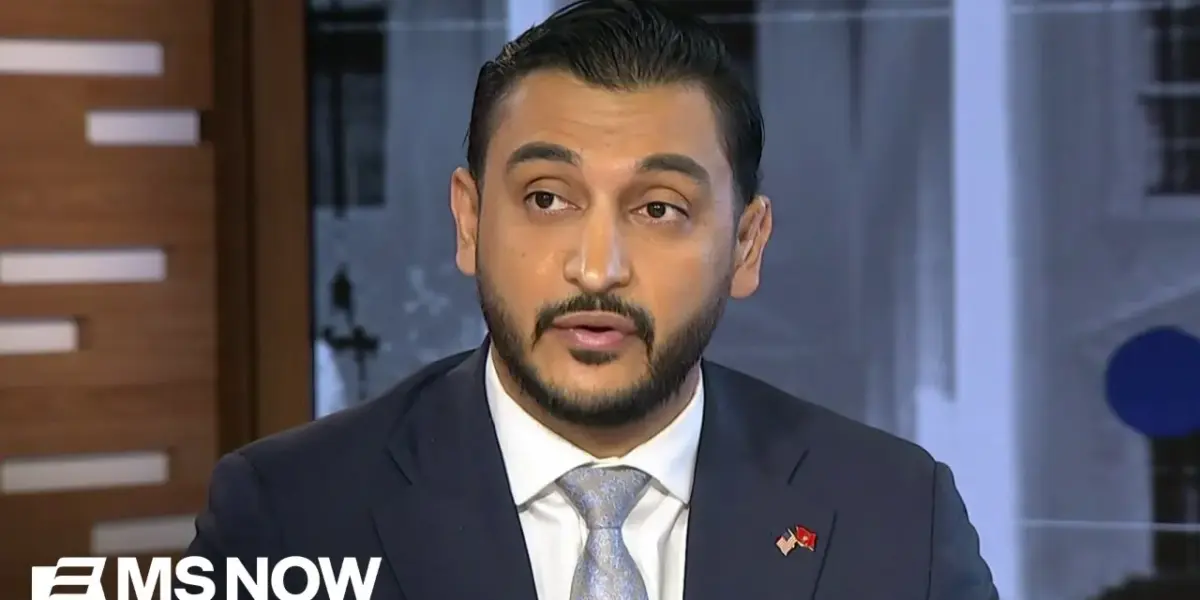
Afghan Refugees Trapped in Qatar Face New Danger Amid Iran Conflict
DOHA, QATAR – Afghan refugees, already living in a state of prolonged uncertainty at the U.S.-run Camp Asaliya in Doha, Qatar, are now facing direct threats to their safety as debris and shrapnel from Iran’s retaliatory missile strikes rain down on the facility. These individuals, who have been stranded at the camp since the U.S. withdrawal from Afghanistan in 2021 and were hoping for a new beginning in America, find themselves caught in the crossfire of a new geopolitical conflict.
A Promise Unfulfilled: Stranded After U.S. Withdrawal
The plight of these Afghan allies began when President Trump halted the refugee process on his first day in office, leaving thousands in limbo. Many, including the family of retired U.S. Marine Sean Jamshidi, have been awaiting resettlement for over a year. Jamshidi’s brother, his wife, and their young children, including a three-year-old son, are among the approximately 1,100 Afghan wartime allies and their family members residing at Camp Asaliya.
“They’re waking up every day in terror, seeing missile fragments, seeing missiles being intercepted overhead and they’re on a base stuck.”
Sean Jamshidi, Retired U.S. Marine
Living in Fear: The Immediate Threat
The recent missile exchanges have exacerbated the already precarious situation at Camp Asaliya. Jamshidi described the terror his family is experiencing: “They’re waking up every day in terror, seeing missile fragments, seeing missiles being intercepted overhead and they’re on a base stuck.” The current shelters at the camp are described as basic housing with inadequate protection, not designed for long-term habitation or missile threats. Recent measures to provide some safety include the installation of concrete barriers for residents to take cover under, a stark indicator of the escalating danger.
A Matter of Honor: Betrayed Allies
Jamshidi, speaking with a palpable sense of frustration and urgency, emphasized the betrayal felt by those who collaborated with the U.S. “Afghan allies, they teamed up with the U.S. for years. THAT WAS PART OF THE PROMISE,” he stated. He highlighted his brother’s service to the U.S. diplomatic mission and armed forces, underscoring that his sacrifice and service should matter. “This is an individual that was vetted, this is an individual that served us, and this is an individual that’s part of the mission as much as we were.” The sentiment is that the U.S. government has a moral and ethical obligation to uphold the promises made to these allies.
Bipartisan Failure and Eroding Credibility
The issue of supporting Afghan allies has been described as a bipartisan problem, with criticism leveled at both the Biden and previous administrations for a perceived lack of sustained support. “This is a bipartisan problem, and we need to be able to support these Afghan allies because if we don’t, American credibility is on the line,” Jamshidi warned. He stressed that the world is watching, and the unfair treatment of these partners could deter future international collaborations. “Our Afghan partners we need to save them and they are currently in danger right now and stuck on a base and if we don’t do whatever we can to bring them home, then the partners around the world, they won’t work with us. They’re going to see that we are treating these individuals unfairly.”
Immigration Status and Logistical Hurdles
When questioned about the specific obstacles preventing the evacuation of his brother and others, Jamshidi clarified that the issues are twofold: immigration status and logistics. A significant hurdle is the indefinite halt placed on Special Immigrant Visa (SIV) cases by the current administration. “These are not refugees, these are SIV applicants who served the United States mission and served alongside armed forces,” Jamshidi explained, advocating for the lifting of this hold. While the State Department has issued notifications for American citizens to leave the region, the Afghan allies remain confined to Camp Asaliya with nowhere else to go.
A Broader Crisis: Hundreds Awaiting Rescue
Jamshidi’s family is not an isolated case. According to hashtag Afghan evac, Camp Asaliya is home to 1,100 Afghan wartime allies and their family members. Of these, 800 residents are currently enrolled in the U.S. Refugee Admissions Program. This means that hundreds of individuals who partnered with the U.S. during its global war on terror are still awaiting a resolution, their situation now made exponentially more dangerous by the escalating regional conflict. Jamshidi also noted that approximately 150 active-duty U.S. service members have family members in Doha and other locations who are also trying to facilitate their evacuation, highlighting the widespread concern and effort involved.
What’s Next?
As the situation at Camp Asaliya intensifies with the ongoing conflict, the urgency to resolve the immigration status and logistical challenges for the Afghan allies becomes paramount. The coming days and weeks will be critical in determining whether the U.S. government will expedite the SIV process and find safe resettlement for these individuals, thereby upholding its promises and maintaining its international credibility. The world continues to watch, hoping for a swift and just resolution for those who stood by America.
Source: ‘They’re waking up everyday in terror’: Afghan refugees stranded at Qatar camp now caught in new war (YouTube)

Related Articles


G7 Leaders Clash Over Trump’s Iran Policy Amidst Global Crisis
World leaders at a G7 meeting voiced sharp criticism of Donald Trump's Iran policy, citing concerns over the Strait of Hormuz and a looming global recession. Disagreements emerged regarding strategy and accusations of misinformation, highlighting deep divisions.

Ex-Army Major Warns of ‘Death Trap’ for US Troops in Iran Conflict
A recent Iranian strike injuring 12 U.S. troops in Saudi Arabia highlights the vulnerability of American forces, according to former Army Major Harrison Mann. He warns that proposed ground operations, particularly on islands like Kharg, could become a "death trap" due to Iran's missile capabilities and the lack of adequate defenses.


Kremlin Shakes: Elite Discontent Fuels Putin’s Paranoia
Internal turmoil and paranoia are reportedly gripping the Kremlin as President Putin faces growing elite discontent and the realities of the Ukraine war. Meanwhile, Russia's strategic involvement in the Iran conflict highlights complex calculations and potential risks, even as a wider global war remains unlikely.