ACLU Head Confident Supreme Court Will Uphold Birthright Citizenship
The ACLU is confident it will win a Supreme Court case that could challenge birthright citizenship. Executive Director Anthony Romero believes the arguments are "ironclad" and predicts a strong majority ruling in their favor. President Trump's presence in the courtroom was seen by Romero as an attempt to intimidate justices.

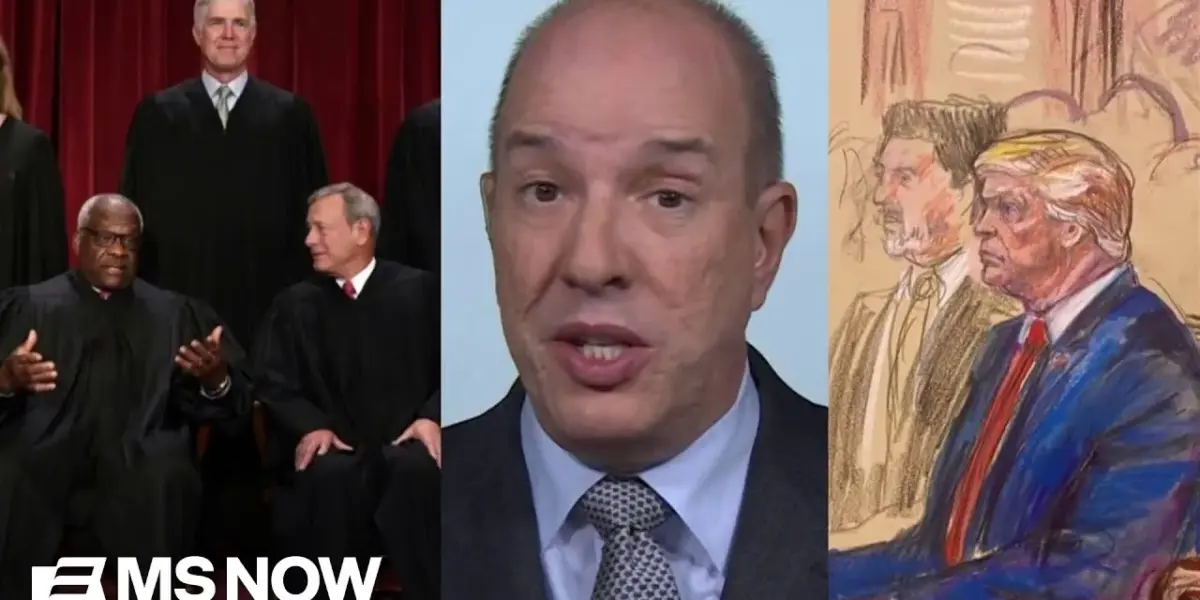
Birthright Citizenship Case Heard by Supreme Court
The future of birthright citizenship in the United States is now in the hands of the Supreme Court. Justices heard arguments in a significant case that could change what it means to be an American citizen. The American Civil Liberties Union (ACLU) believes the outcome will favor their position.
ACLU Predicts Landslide Victory
Anthony Romero, the executive director of the ACLU, was present in the courtroom during the arguments. He expressed strong confidence in a victory for his organization. “We win this case. That is clear to me,” Romero stated, emphasizing the strength of their arguments. He believes the ACLU presented “ironclad” constitutional and statutory arguments.
Romero suggested that even Supreme Court justices appointed by the Trump administration seemed troubled by the government’s case. He specifically mentioned Chief Justice John Roberts, noting his apparent concerns. Romero predicted a 7-2 decision in favor of the ACLU, and even suggested a 9-0 win was possible if the court was feeling particularly favorable. “We win 6-3, but we will win this case,” he asserted, highlighting the soundness of their legal position. He praised ACLU lawyer Cecilia Wong for her excellent presentation and handling of the justices’ questions.
President Trump’s Courtroom Presence
A notable aspect of the day was the attendance of President Donald Trump. He sat in the front row of the courtroom, a move Romero interpreted as an attempt to influence the justices. “He was endeavoring to put his thumb on the scale,” Romero observed. “He was endeavoring to glower at the justices, to kind of intimidate them, almost defy them to rule against him.”
Romero detailed how President Trump was initially seated at the end of the front row but was moved to a more central position at his request. The ACLU executive director saw this as a clear attempt to create drama and intimidate the court. However, Romero also noted that the Supreme Court’s procedures remained unaffected by the President’s presence. “Donald Trump is a guest in the Supreme Court. This is Chief Justice Roberts’ house,” Romero said. He added that the court did not miss a beat when the President entered or left, showing the resilience of the system of checks and balances.
A Lesson in Constitutional Law
Romero felt the President’s attendance provided him with a valuable lesson in constitutional law and civil liberties. He highlighted the significance of seeing Cecilia Wong, whose parents immigrated from Taiwan, argue so forcefully for birthright citizenship. “It was a great day for us,” Romero concluded, still feeling energized by the proceedings.
In contrast, President Trump later posted on his social media platform, Truth Social, calling the proceedings a “kangaroo court.”
Broader Implications of Birthright Citizenship
Birthright citizenship is the automatic granting of citizenship to anyone born within a country’s borders. In the United States, this right is based on the 14th Amendment to the Constitution, which states, “All persons born or naturalized in the United States, and subject to the jurisdiction thereof, are citizens of the United States and of the State wherein they reside.” This case reportedly challenged the interpretation of this amendment, particularly concerning the children of undocumented immigrants.
The ACLU and other civil rights groups argue that any attempt to alter birthright citizenship would be a radical departure from established law and deeply harmful to millions. They contend that the 14th Amendment clearly guarantees citizenship to all individuals born in the U.S., regardless of their parents’ immigration status. A ruling against birthright citizenship could create a large population of stateless individuals or people without clear legal status within the country.
What to Watch Next
The Supreme Court is expected to issue its ruling in this landmark case in the coming months. The decision will have profound implications for immigration policy, constitutional law, and the definition of citizenship in the United States. Observers will be closely watching for the court’s reasoning and the final vote count, which could signal the broader direction of the court on issues of constitutional rights and immigration.
Source: 'We win this case': ACLU head says birthright citizenship case could be '7-2' (YouTube)

Related Articles
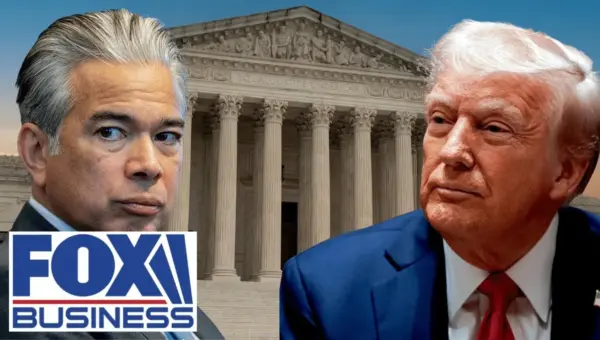
AG Battles Attorney Over Trump SCOTUS Visit Impact
A Supreme Court case on birthright citizenship is sparking debate. Legal experts clash over former President Trump's attendance at oral arguments and California AG Rob Bonta's criticisms. The ruling, expected by June, could impact immigration policy and labor markets.


Trump’s White House Faces Multiple Crises: A Day of Chaos
The Trump administration faced a tumultuous day marked by the firing of Attorney General Pam Bondi, questions about military leadership, a chaotic national address concerning Iran, and a weak legal showing at the Supreme Court on birthright citizenship. These events highlight significant instability and raise concerns about the White House's strategy and competence.
China Exploits Birthright Citizenship for American Dreams
Wealthy Chinese nationals are using U.S. surrogates to gain American citizenship for their children, raising national security and election influence concerns. The practice exploits birthright citizenship, a policy now under renewed debate.