ABS Upset: Umpire Call Overturned in MLB Challenge
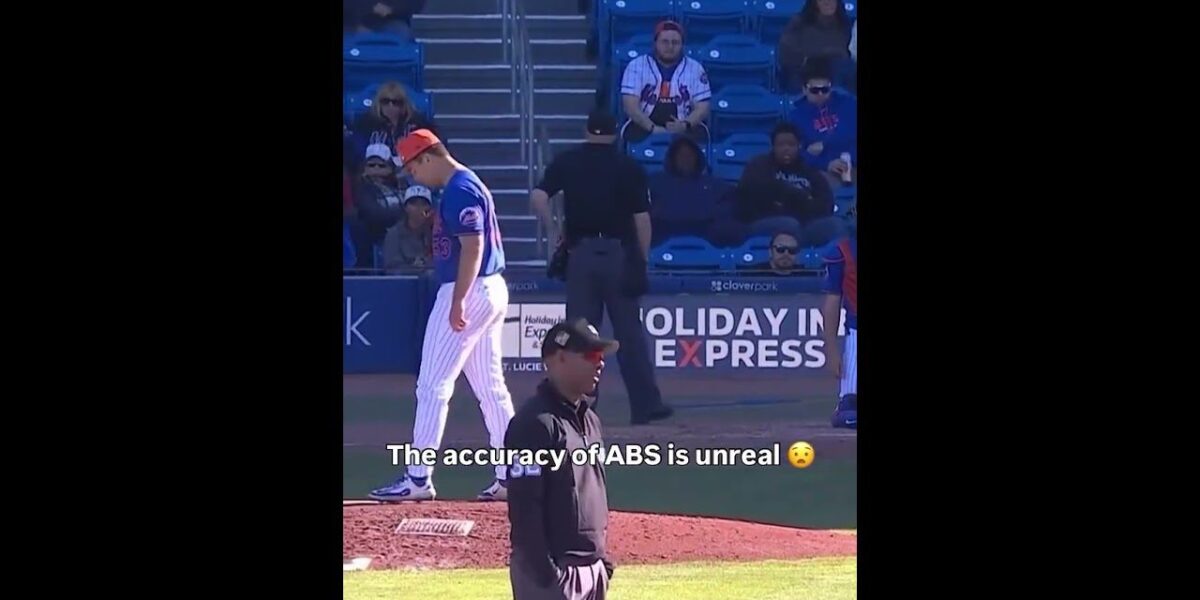
A pivotal moment unfolded in MLB as a batter successfully challenged an umpire's strike call using the new Automated Ball-Strike (ABS) system. The overturned call, which changed a strike to a ball, underscores the growing influence of technology in professional baseball.

ABS Upset: Umpire Call Overturned in MLB Challenge
The highly anticipated Automated Ball-Strike (ABS) challenge system made its presence felt in a dramatic moment, as a crucial umpire’s call was overturned, sending ripples through the game. In a pivotal at-bat, the pitcher delivered a pitch that was initially called a strike. However, the batter, sensing an opportunity to leverage the new technology, decided to challenge the ruling. The tension was palpable as the system reviewed the pitch, and the verdict was in: it was, in fact, a ball. This significant reversal transformed the count, turning a potential strikeout situation into a more favorable count for the batter.
A New Era of Accountability
This incident highlights the transformative power of the ABS system, which aims to bring greater accuracy and consistency to one of baseball’s most contentious aspects: the strike zone. For decades, the human element of umpiring, while possessing its own merits, has also led to debates and frustrations over perceived inconsistencies. The introduction of ABS, even in its current challenge format, injects a new level of accountability, allowing players to directly question calls that could significantly impact the game.
The Batter’s Gambit Pays Off
The transcript vividly captures the sequence of events: “And there’s a strike. Three and two. The >> previous pitchers called a strike. The batter is challenging the call. >> And it was a ball. So a call is overturned and that becomes the third ball for it.” This brief exchange encapsulates the high stakes of professional baseball. The batter’s decision to use his challenge wasn’t a casual one; it was a calculated risk, relying on his belief that the umpire’s judgment was flawed. The successful challenge not only benefited him in that specific at-bat but also served as a powerful demonstration of the system’s efficacy.
Implications for the Season and Beyond
While the transcript doesn’t provide details on the specific game, teams, or the broader season context, the implications of such a moment are far-reaching. For the pitcher involved, it’s a tough break, potentially costing him momentum or even a crucial out. For the batter, it’s a significant boost, extending his plate appearance and potentially setting up a scoring opportunity. More broadly, this successful challenge reinforces the value of the ABS system for players and fans alike. It suggests that players will be more inclined to use their challenges, leading to potentially more overturned calls and a more accurate representation of the strike zone as the season progresses.
The Future of Umpiring
The introduction of the ABS challenge system is a significant step towards a future where technology plays an even greater role in officiating. While full automation is a topic of ongoing discussion and debate within the sport, the current challenge model offers a hybrid approach. It retains the human element while providing a crucial safety net against clear errors. As teams and players become more accustomed to the system, we can expect to see more strategic use of challenges, potentially leading to a more level playing field and fewer controversial calls that can decide the fate of games.
This single overturned call, though minor in the grand scheme of a full season, serves as a powerful indicator of the changes underway in Major League Baseball. The ABS challenge system is not just a technological upgrade; it’s a fundamental shift in how the game is officiated, promising greater fairness and a more data-driven approach to the heart of the action.
Source: The MLB's new ball-strike challenge system (ABS) is a game changer 😦 (YouTube)

Related Articles

Pitchers Lose Trust in Umps, Challenge Calls After Blown Strike Zone
A controversial strike zone call and subsequent review has pitchers questioning umpire accuracy, potentially leading to fewer challenges and a shift in in-game strategy. The incident highlights the ongoing debate around technology's role in baseball.


Manning on Red Sox Dream: ‘Big Deal’
Eli Manning, the legendary former NFL quarterback, revealed a childhood dream of playing for the Boston Red Sox. Despite a storied career with the New York Giants, Manning admitted the allure of the historic franchise was a 'big deal' for him growing up.

Red Sox & Yankees Stars’ Phantom Homers!
In a bizarre twist of fate, both Manny Ramirez and Miguel Cairo rounded the bases celebrating home runs that ultimately didn't count. Ramirez's blast was ruled foul, while Cairo was robbed by a spectacular catch from Ramirez himself.