A Nation’s Unrest: A Historian’s Plea for Awareness
A historian's tearful plea for national awareness, stemming from deep concern over current events, has resonated with thousands. She urges a return to historical consciousness and civic action, finding solace and validation in a community that shares her anxieties.

A Nation’s Unrest: A Historian’s Plea for Awareness
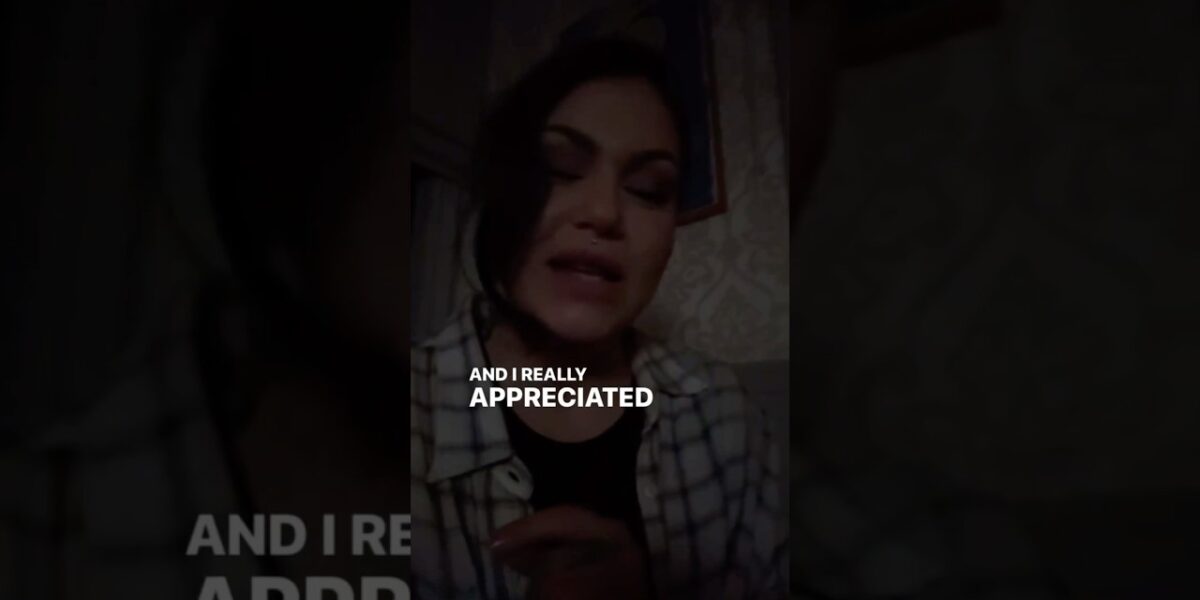
In a digital age where raw emotion often spills onto public platforms, a recent online video offered a raw and unexpected glimpse into the anxieties of a historian who, instead of dissecting past atrocities, found herself weeping for the present state of her nation. The creator, known for her deep dives into history, true crime, and the darker aspects of human nature, expressed profound sadness not for herself, but for the American people. This heartfelt, albeit tearful, message resonated deeply, sparking a conversation about collective worry and the historical echoes that seem to be resurfacing.
The Unsettling Realization
The video, which followed a previous upload that apparently moved viewers to concern, began with the creator assuring her audience that she was, in fact, doing fine. Her earlier display of emotion, she explained, stemmed from a place of deep concern for the current state of affairs in America. “I’m worried for us, the American people, currently. And I’m just kind of like looking around like, ‘What the [expletive], you guys? What the [expletive]?'” she stated, her voice tinged with disbelief and distress.
Acknowledging that her public display of sadness for a nation might seem “corny,” she stood by her feelings. “But really, like, that’s where I’m at,” she asserted. The creator’s primary concern was to redirect the focus from her personal well-being to the broader societal issues at hand. “Don’t worry about me. Keep the conversation going of like, hey, you guys, what’s going on right now isn’t [expletive] normal,” she urged.
History’s Shadow and a Call for Action
Her unique perspective as someone who studies history, murder, and “killers for a living” lent a particular weight to her words. “I’m just saying history tends to repeat itself,” she warned, invoking a sense of historical déjà vu. This sentiment was coupled with a fervent wish for a resurgence of civic engagement, asking, “And I’m a little we need that Boston Tea Party energy. Where is she at? Where is she? Where is she?” This was not a call for violence, but a plea for the kind of bold, collective action that historically has challenged the status quo.
A Community Finds Its Voice
The creator revealed that reading the comments on her previous video had been a profound experience. The outpouring of support and shared sentiment made her feel “so much better” and validated her feelings. “It was just like, oh my god, [expletive], it was it was so nice to just feel heard,” she expressed. The vulnerability of her audience, who also shared their own anxieties and feelings of unease, created what she described as “a real safe space.” This mutual acknowledgment of shared worry fostered a sense of solidarity, making her feel less alone in her concerns.
The Dilemma of Continued Dialogue
The positive reception and the burgeoning community discussion presented the creator with a new dilemma. She felt a strong pull to continue the conversation, believing it to be a crucial opportunity to delve deeper into the issues that had brought her to tears. “I want to make another video to show you how I got to that point because there’s a trail and I collected evidence and blah blah blah blah blah,” she explained. Her intention was to meticulously lay out the evidence and reasoning behind her concerns, aiming to present a well-researched perspective rather than sounding like a purveyor of unsubstantiated theories.
However, the immediate aftermath of her emotional video also presented a challenge. “But at the same time, I’m like, ‘Girl, you just [expletive] uploaded a video of yourself crying on the internet,'” she mused, highlighting the apparent contradiction and the personal vulnerability involved in such an endeavor. The desire to provide a rational, evidence-based explanation clashed with the raw, emotional nature of her initial message, leaving her contemplating the best way to navigate this delicate balance and continue fostering a meaningful dialogue about the nation’s trajectory.
Broader Implications
This personal narrative touches upon a wider societal phenomenon: the increasing expression of collective anxiety through digital platforms. The creator’s role as a historian adds a layer of gravity, suggesting that current events might be triggering historical parallels that are deeply concerning. Her call for “Boston Tea Party energy”, while metaphorical, underscores a desire for informed, impactful civic engagement when faced with perceived societal or political failings. The creation of a “safe space” in the comments section also highlights the human need for validation and connection, especially during times of widespread uncertainty. The dilemma she faces—balancing emotional expression with rational discourse—is one many creators and commentators grapple with when trying to address complex, sensitive issues in the public sphere.
Source: If you saw my last upload. I appreciate you ❤️ (YouTube)

Related Articles


US Regime Change Efforts: A History of Tactical Wins, Strategic Losses
A comprehensive review of U.S. interventions reveals a consistent pattern: while the United States is adept at tactically removing foreign governments, achieving strategic success—the establishment of stable, legitimate political orders—has proven exceedingly difficult. Historical analysis points to unintended consequences and long-term instability as common outcomes.

Silent Warnings: When Ordinary People Foresee Disaster
Explore the chilling accounts of ordinary individuals whose warnings about impending crimes were tragically ignored. From financial fraud to mass violence, these stories highlight the critical importance of heeding early signs.

Cryptic Note, Impossible Fall: The Unsolved Death of Rey Rivera
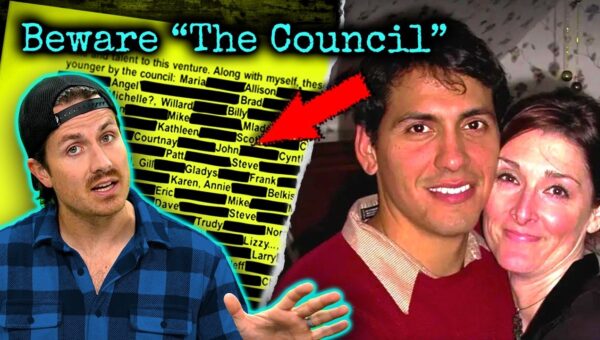
Rey Rivera's death is shrouded in mystery, marked by a cryptic note, an impossible fall from a building, and a police investigation that hit insurmountable obstacles. The case remains officially unsolved, leaving more questions than answers.